








Top-rated lawn irrigation specialists.

Get matched with top lawn irrigation specialists in Suring, WI

Enter your zip and get matched with up to 5 pros

Need a pro for your lawn irrigation project in Suring, WI?

Select your specific project to find the pro for you.

Find Lawn irrigation specialists in Suring

Avatar for Central Wisconsin Excavating
Central Wisconsin Excavating
5.0(
12
)

Serving Suring, WI and surrounding areas

Approved

Free estimates

Emergency services offered

Small jobs welcome

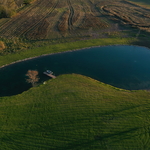
"My hunting land needed stumps, trees and brush removed and a trail system created. Evan came out and walked the 90 acres with me. I explained what my ideas were for improving the hunting on the property. He did make some recommendations for the land and repairs to the pond. He had improvements on other properties, which worked well his customers. I gave him my budget and he believed he would be in budget. Some issues come up on my side and they were very willing to work me get it done. My hunting party and I are very happy with the work done. My 76 yr old father in law and friend that had a stroke can easily navigate for hunting. They worked long days due to a rain delay. This was to stay on the work schedule for the next customer. I would HIGHLY recommend Evan and Josh for rotary head and high hoe work. My neighbors and I have another project we are planning for the next year. I wanted to load photos of the work done, but the app will not let me."
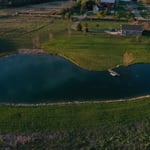
Pond project
Pond project
Lawn Irrigation questions, answered by experts

This depends on the type of grass seed, as some types do better in different environmental conditions. Cool-season grasses go dormant during the summer months when the soil temperature exceeds 65 degrees Fahrenheit. Once exposed to regular doses of heat, the germination rates decline, with seedling death not far behind. 

As for warm-season seeds, they come from tropical parts of the world and thrive in heat. They actively grow in warm air temperatures between 70 and 90 degrees Fahrenheit, and they prefer soil temperatures between 65 and 70 degrees Fahrenheit. Once temperatures dip and frost rolls in, if you don’t store them properly, warm-season grass seeds will die quickly.

The first step in re-doing a bad lawn is correctly diagnosing the problem. That’s why we recommend calling a licensed and trustworthy lawn care company that can help turn your damaged lawn around. Once the problem is diagnosed and fixed, you’ll want to keep up with lawn maintenance by watering, mowing, and feeding your lawn the proper nutrients.

Both zoysia grass and bermuda grass are somewhat similar to St. Augustine because they’re all warm-season grasses. Beyond that, most grass types have unique properties that set them apart. Zoysia grass costs twice the price of St. Augustine grass on average and it has thinner blades and a deeper green appearance. Bermuda grass, compared to St. Augustine, has much thinner blades, is softer to the touch, and has a higher tolerance for colder weather.

The best grass type for shady areas depends on your region, your preferences, and your yard’s microclimate. Overall, the best cool-season grass for shade is ryegrass or tall fescue, while the best warm-season grass for shade is St. Augustine. But again, this can depend on what you’re looking for in the grass. The best grass for your shady yard might be one that looks good to you, one that tolerates high foot traffic, or grass with other characteristics that make it fit your lawn needs. 

Foxtail self-seeds and dispurses them among other grasses and pastures. The seeds can spread by wind and by attaching themselves to animals and humans. Seeds will germinate in their new location and become a new plant, which continues the spread of foxtail. Unfortunately, foxtail spreads easily, making it difficult to remove unless it’s caught quickly.

The Suring, WI homeowners’ guide to lawn irrigation services

From average costs to expert advice, get all the answers you need to get your job done.