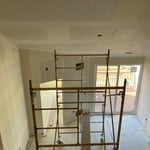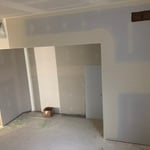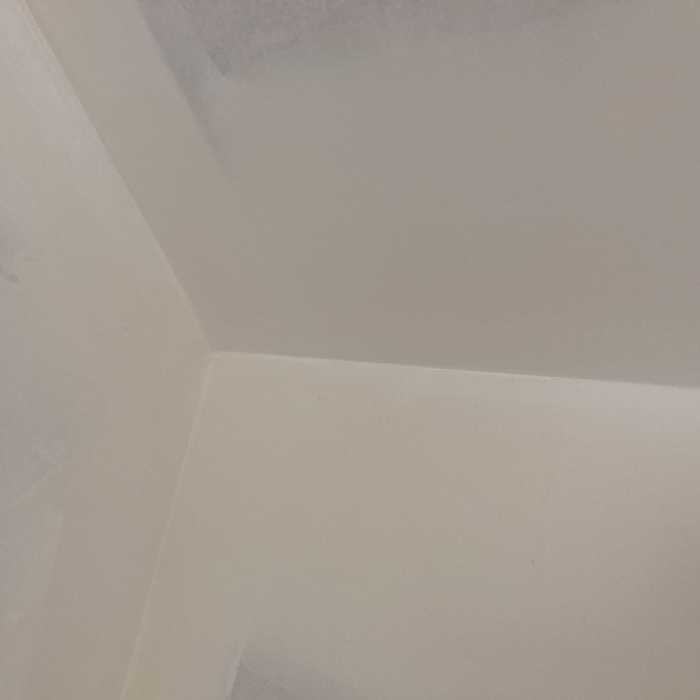








Top-rated plaster repair specialists.

Get matched with top plaster repair specialists in Reeseville, WI

Enter your zip and get matched with up to 5 pros

Need a pro for your plaster repair project in Reeseville, WI?

Select your specific project to find the pro for you.

TRUSTED BY REESEVILLE, WI HOMEOWNERS

  • Average homeowner rating star icon4.6
    Average homeowner rating
  • Verified reviews icon19
    Verified plaster repairs reviews

Find Plaster repair specialists in Reeseville

Avatar for Total Textures, Inc.
Total Textures, Inc.
4.9(
10
)
Plaster - Install - For BusinessPlaster - Repair - For Business

Serving Reeseville, WI and surrounding areas

Approved

In business since 2010

Free estimates

Warranties offered

"Chad came out on his day off because He was in the area. Reviewed the project, and provided a reasonable quote hours later. The communication was excellent. The work was also completed within a couple of days, and looks great. I have no hesitation to hire these guys again."

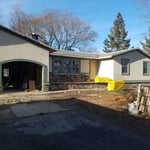
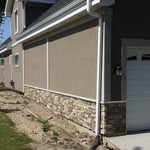
EIFS System
House from afar
Front of House-Stone & EIFS
Pawelski Projects
Finished Front Elevation

+219

Response time2 days
Recommended by100%of homeowners
Avatar for Assured Quality Drywall & Painting
Assured Quality Drywall & Painting
5.0(
4
)
Plaster - InstallPlaster - Repair

Serving Reeseville, WI and surrounding areas

Free estimates

Emergency services offered

Warranties offered

"Assured quality did an amazing job with remodeling my home. The original work in the home was terrible from the paint to the trim. Assured quality made sure I noticed the difference and was so detail oriented! I will be sure to call Juan again if I ever need any further renovations done in my house!"
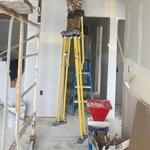
Juan on the tall boys .
New construction/production

+25

Recommended by100%of homeowners

Badgerland Plastering, Inc.
New to Angi
Plaster - Install - For BusinessPlaster - Repair - For Business

Serving Reeseville, WI and surrounding areas

In business since 2001

Free estimates

Credit card accepted

Badgerland Plastering is a dedicated team of craftsman that has provided quality plaster and stucco work since 2001. Whether it's new construction, residential, commercial or patch & repair, we have built our reputation on exceeding the needs of the customer and treating each project as if it was our own property.\nAs a service contractor we are committed to being on time, professional, cleaning up the job site and paying attention to the details, no matter how large or small the project is. We will consult with you on your unique project needs, give expert industry advise and provide a free quote.\nContact us today to have a no obligation conversation. We are proud to serve the Madison area and all of South Central Wisconsin, however we will consider the needs or all our customers and are not limited based on location. We are bonded, fully insured, and guarantee 100% satisfaction.\n

Showing 1-10 of 17
Plaster Repair questions, answered by experts

Although they have similar applications, spackle and joint compound are not the same. Their primary differences lie in their composition, consistency, and ideal use cases.

Spackle is composed of gypsum and binding agents, making it thicker than joint compound. It dries quickly and is easy to sand, which makes it ideal for small wall repair projects like filling nail holes or patching minor damage.

Joint compound, also known as drywall mud, consists of limestone and gypsum. It is primarily used for large-scale projects, such as taping and finishing the seams on newly installed drywall. It tends to shrink more than spackle and can be more difficult to spread.

While both products can be used to fill small depressions and cracks, spackle cannot replace joint compound for taping and mudding new drywall. Conversely, you can often use joint compound for small patching jobs typically done with spackle.

Plaster provides a durable, soundproof, and moisture-resistant finish compared to drywall.

Look for flaking paint or air bubbles that burst and then flake away. Paint will begin to flake after being exposed to minimal moisture or water, so it’s a good indicator of any water damage. If you notice your paint starting to flake, feel the plaster underneath to see if it is soft or damp.

While it’s most common to sand plaster dry, it is possible to wet-sand plaster, too. Doing so can reduce the amount of plaster dust released into the air and make it easier to work in smaller, more delicate areas (such as around wall trim). However, some people find that wet sanding leads to more imperfections, which is why larger walls are more often dry sanded to ensure an even finish.

Yes, you can speed up the time it takes for plaster to dry, but it's important to do so carefully to avoid issues like cracking or crumbling. Proper ventilation is key; open a window or use a fan to circulate air in the room. Heat can also accelerate drying, but be cautious, as too much heat can cause the plaster to dry too quickly and crack. Check the plaster's packaging for the recommended drying temperature and set the room's thermostat accordingly. While managing humidity is important, avoid using a dehumidifier, which can remove moisture too aggressively and result in crumbly plaster.

The Reeseville, WI homeowners’ guide to plaster repairs

From average costs to expert advice, get all the answers you need to get your job done.