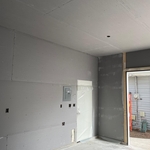
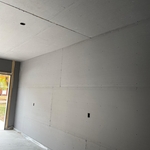
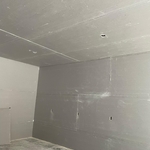
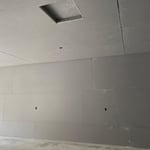
Top-rated plaster repair specialists.

Best plaster repair specialists near Poynette, WI

Enter your zip and get matched with up to 5 pros

Need a pro for your plaster repair project in Poynette, WI?

Select your specific project to find the pro for you.

TRUSTED BY POYNETTE, WI HOMEOWNERS

  • Average homeowner rating star icon4.7
    Average homeowner rating
  • Verified reviews icon16
    Verified plaster repairs reviews

Top-Rated Plaster repair specialists in Poynette - Updated Nov 2026

Badgerland Plastering, Inc.
New to Angi
Plaster - Install - For BusinessPlaster - Repair - For Business

Serving Poynette, WI and surrounding areas

In business since 2001

Free estimates

Credit card accepted

Badgerland Plastering is a dedicated team of craftsman that has provided quality plaster and stucco work since 2001. Whether it's new construction, residential, commercial or patch & repair, we have built our reputation on exceeding the needs of the customer and treating each project as if it was our own property. \nAs a service contractor we are committed to being on time, professional, cleaning up the job site and paying attention to the details, no matter how large or small the project is. We will consult with you on your unique project needs, give expert industry advise and provide a free quote. \nContact us today to have a no obligation conversation. We are proud to serve the Madison area and all of South Central Wisconsin, however we will consider the needs or all our customers and are not limited based on location. We are bonded, fully insured, and guarantee 100% satisfaction. \n

Showing 1-10 of 11
Plaster Repair FAQs, answered by experts

Both plaster and drywall are durable wall finishes, but they differ significantly in installation, cost, performance, and aesthetics.

Installation & Cost: Drywall installation is faster and more affordable, typically costing $1.50 to $3 per square foot. It uses premade sheets, making it a more accessible DIY project. Plastering is a labor-intensive craft that requires specialized skills, pushing costs to $2 to $10 per square foot. It involves applying a wet paste over a lath framework.

Durability & Performance: Plaster is generally more durable, longer-lasting, and provides superior soundproofing. It is also a better insulator, which can help reduce energy costs. Drywall is easier to remove for future renovations.

Aesthetics: Drywall provides a smooth, uniform surface ready for paint or texture. Plaster offers a high-end, naturally textured look that can hide imperfections and is often preferred for achieving a classic or historic aesthetic.

Which is better? The choice depends on your priorities. Drywall is ideal for those prioritizing a lower upfront cost, faster installation, and DIY potential. Plaster is the better option for a higher-end project where durability, soundproofing, and a unique, premium finish are more important than the initial cost.

Drying alone can take 1 to 4 hours to dry to the touch per plaster layer, but some types of plaster take several hours longer to dry. However, this doesn’t mean the job is done because plaster doesn’t fully harden until it cures, which can take a few days to a couple of weeks. It may take even longer if you’re building a new, pretty thick plaster wall. Allow the plaster to cure before painting it.

All plaster walls will crack over time due to normal house settling and expansion and contraction from temperature and moisture changes. Small, thin hairline cracks are generally not serious and are mostly a cosmetic issue. However, larger or more significant cracks can indicate structural problems.

Here's how to tell the difference:

  • Cosmetic Cracks: Cracks that are 0.5 cm (0.2 inches) or thinner are typically cosmetic.

  • Structural Cracks: Cracks wider than 0.5 cm, excessive or deep cracks, multiple cracks in the same area, or cracks that span around corners can signify a structural or foundation issue. Cracks along the joints where walls meet the ceiling also warrant attention.

For cracks wider than 0.5 cm, structural repair is needed. If a crack is 2.5 cm (1 inch) or wider, or if you notice any signs of a structural problem, it is best to contact a plaster repair professional to assess the damage.

Yes, you can speed up the time it takes for plaster to dry, but it's important to do so carefully to avoid issues like cracking or crumbling. Proper ventilation is key; open a window or use a fan to circulate air in the room. Heat can also accelerate drying, but be cautious, as too much heat can cause the plaster to dry too quickly and crack. Check the plaster's packaging for the recommended drying temperature and set the room's thermostat accordingly. While managing humidity is important, avoid using a dehumidifier, which can remove moisture too aggressively and result in crumbly plaster.

If you’re looking for a reliable plaster repair company, you should start by researching local companies in your area and reviewing their status with the Better Business Bureau. Next, you can contact the potential companies to ask about experience levels, get a list of references, and ask for examples of past work. If you have a textured wall, consider asking if they have examples or references for that particular texture. This method should help you narrow your search even further. You may also want to ask each company if they provide a warranty for their work.

The Poynette, WI homeowners’ guide to plaster repairs

From average costs to expert advice, get all the answers you need to get your job done.