Top-rated wall repair pros.

Best wall repair pros near Pound, WI

Enter your zip and get matched with up to 5 pros

Need a pro for your wall repair project in Pound, WI?

Select your specific project to find the pro for you.

Top-Rated Wall repair pros in Pound - Updated Nov 2026

Avatar for Shamrock Maintenance, Corp.
Shamrock Maintenance, Corp.
4.8(
5
)
Brick, Stone or Block Wall - Repair

Serving Pound, WI and surrounding areas

Approved

In business since 1985

Free estimates

Emergency services offered

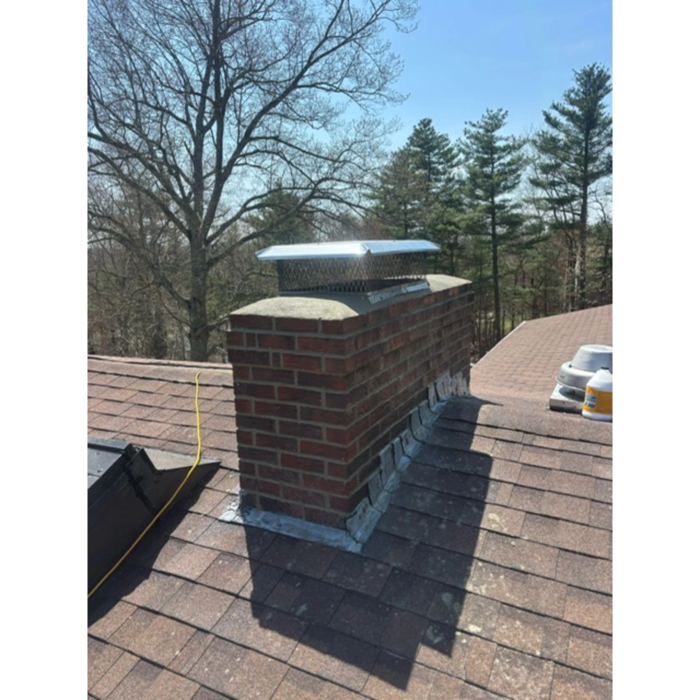
Shamrock Maintenance Corp is a professional chimney service company dedicated to helping homeowners maintain safe, efficient, and well-functioning chimneys. We specialize in chimney inspections, cleanings, repairs, and preventative maintenance, with a strong focus on fire safety and long-term home protection.\n\nOur team is known for providing honest recommendations, clear documentation, and straightforward communication so homeowners can make informed decisions without pressure. We work with both modern and older homes, including historic properties, using appropriate methods to protect the structure and integrity of each home.\n\nWe proudly serve our local communities by prioritizing safety, quality workmanship, and reliable service. At Shamrock Maintenance Corp, every home is treated with care, professionalism, and respect.

Chimney Project
Chimney Project
Chimney Project
Chimney Project
Chimney Project

+10

...
Showing 1-10 of 92
Wall Repair FAQs, answered by experts

Rebar is a steel support that goes inside concrete to prevent structural damage over time. Concrete is susceptible to impact, weight, and tension. By inserting rebar into the concrete during the installation, you can help extend its lifespan and avoid hazardous situations where the foundation of your home gives way to tensile forces.

If you don’t backfill a retaining wall—either at all or adequately enough—the wall won’t drain well, and water will be able to pass through it. Poor drainage will lead to a warped wall or a buildup of hydrostatic pressure, which can eventually collapse your retaining wall. If you have particularly sloped land, consult a structural engineer to ensure your hardscaping is adding value to your home.

Sand and gravel are two suitable options for filling behind a retaining wall. If you’re building your own retaining wall, you’ll complete this part of the process—known as backfilling—after you finish laying the blocks. Make sure not to skip it—otherwise, you could wind up with drainage issues, which can cause your retaining wall to collapse.

Proper design and construction prevent erosion and add structural stability to landscapes.

Generally, a railroad tie retaining wall consisting of a single line of ties should be between 3 and 4 feet tall—and the height often tops out at around 6 feet. You can go taller, but you may need additional footings and reinforcements, including a second layer of railroad ties to support the added weight of the soil it’s holding back.

The Pound, WI homeowners’ guide to wall repair services

From average costs to expert advice, get all the answers you need to get your job done.