



Top-rated wall repair pros.

Get matched with top wall repair pros in Mountain, WI

Enter your zip and get matched with up to 5 pros

Need a pro for your wall repair project in Mountain, WI?

Select your specific project to find the pro for you.

TRUSTED BY MOUNTAIN, WI HOMEOWNERS

  • Average homeowner rating star icon4.6
    Average homeowner rating
  • Verified reviews icon11
    Verified wall repair services reviews

Find Wall repair pros in Mountain

Avatar for Shamrock Maintenance, Corp.
Shamrock Maintenance, Corp.
4.8(
5
)
Brick, Stone or Block Wall - Repair

Serving Mountain, WI and surrounding areas

Approved

In business since 1985

Free estimates

Emergency services offered

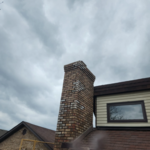
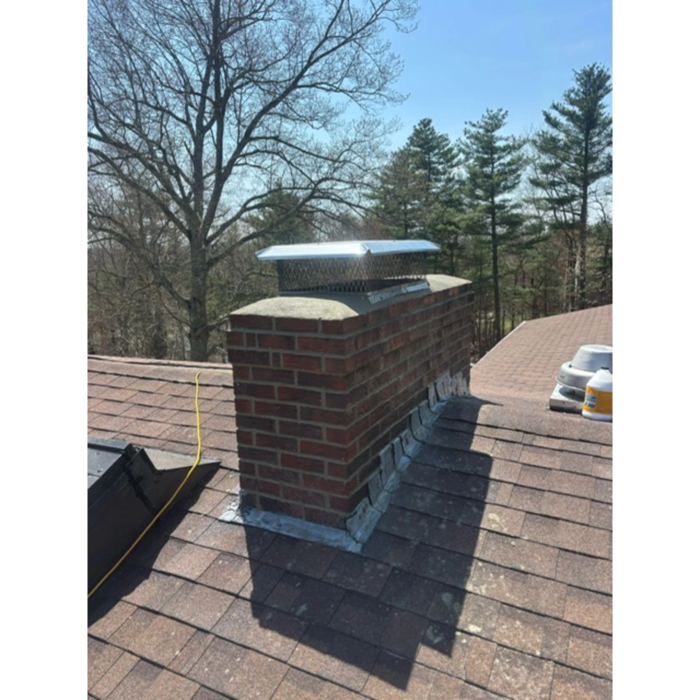
Shamrock Maintenance Corp is a professional chimney service company dedicated to helping homeowners maintain safe, efficient, and well-functioning chimneys. We specialize in chimney inspections, cleanings, repairs, and preventative maintenance, with a strong focus on fire safety and long-term home protection.\n\nOur team is known for providing honest recommendations, clear documentation, and straightforward communication so homeowners can make informed decisions without pressure. We work with both modern and older homes, including historic properties, using appropriate methods to protect the structure and integrity of each home.\n\nWe proudly serve our local communities by prioritizing safety, quality workmanship, and reliable service. At Shamrock Maintenance Corp, every home is treated with care, professionalism, and respect.

Chimney Project
Chimney Project
Chimney Project
Chimney Project
Chimney Project

+10

Avatar for Custom Craft Environmental
Custom Craft Environmental
4.6(
117
)
Drywall - InstallDrywall - RepairDrywall - Repair - For Business+1 more

Serving Mountain, WI and surrounding areas

In business since 1991

Emergency services offered

Credit card accepted

"He had a cancellation and was able to come out the day I called. He verified that we actually didn't have mold growing in the one area. Since that area was connected to an indoor hot tub room, he checked the tub room just to verify that all was ok in there. He gave me some tips on preventing mold in that tub room and informed me about some other areas to watch (as this was in the basement and we have had water get inside with heavy rain) and I asked him about some marks on my basement ceiling. He was very knowledgeable and helpful. Will definitely be calling if need for future services."
Additional Photos
Additional Photos
Additional Photos
Before
After

+1

Recommended by94%of homeowners
...
Showing 1-10 of 72
Wall Repair questions, answered by experts

Sand and gravel are two suitable options for filling behind a retaining wall. If you’re building your own retaining wall, you’ll complete this part of the process—known as backfilling—after you finish laying the blocks. Make sure not to skip it—otherwise, you could wind up with drainage issues, which can cause your retaining wall to collapse.

Small retaining walls still require a foundation of some kind, typically a concrete footing. This helps to ensure the wall is structurally sound and prevents the ground from shifting over time, especially during those winter freeze/thaw cycles. The footing helps spread the weight of the wall and the load it carries over a larger area of the ground, thus assisting with stability. This is true of small retaining walls, larger rock garden walls, and the like. 

Railroad ties can be good for retaining walls, but it depends on the area. They have a desirable rustic look and are durable. The problem is they’re treated with creosote, a preservative the EPA says poses a risk to humans and wildlife. Over time, the preservative seeps out of the wood and into the ground. Many areas have banned the use of creosote-treated wood on residential properties. If your area does allow it, never use railroad ties near an edible garden or drinking water source. Instead, use wood that’s treated with an EPA-approved preservative or a wood-alternative composite material.

The lifespan of a retaining wall varies based on its material, installation quality, maintenance, and local climate, with an average range of 20 to 100 years. Retaining walls made from durable materials like concrete, stone, and brick generally last a minimum of 50 years. Concrete walls typically last between 50 and 100 years, while brick can last for over a century in ideal conditions. Timber retaining walls can last from 20 to 40 years, depending on the wood quality, and pressure-treated wood walls average around 30 years. It is important to note that a retaining wall can fail prematurely if it was poorly constructed, for example, with inefficient footings or without necessary rebar reinforcements.

Most railroad tie retaining walls have a life span of 20 to 30 years, though you may need to replace your wall sooner if it’s repeatedly exposed to heavy rain, runoff, and excess moisture. Railroad ties are typically treated with creosote, which makes them much more durable than untreated wood. Though they last longer, they don’t last forever. For the most longevity, make sure your retaining wall has a sturdy base and steel reinforcements. You should also install drainage to direct water away from the wall.

The Mountain, WI homeowners’ guide to wall repair services

From average costs to expert advice, get all the answers you need to get your job done.