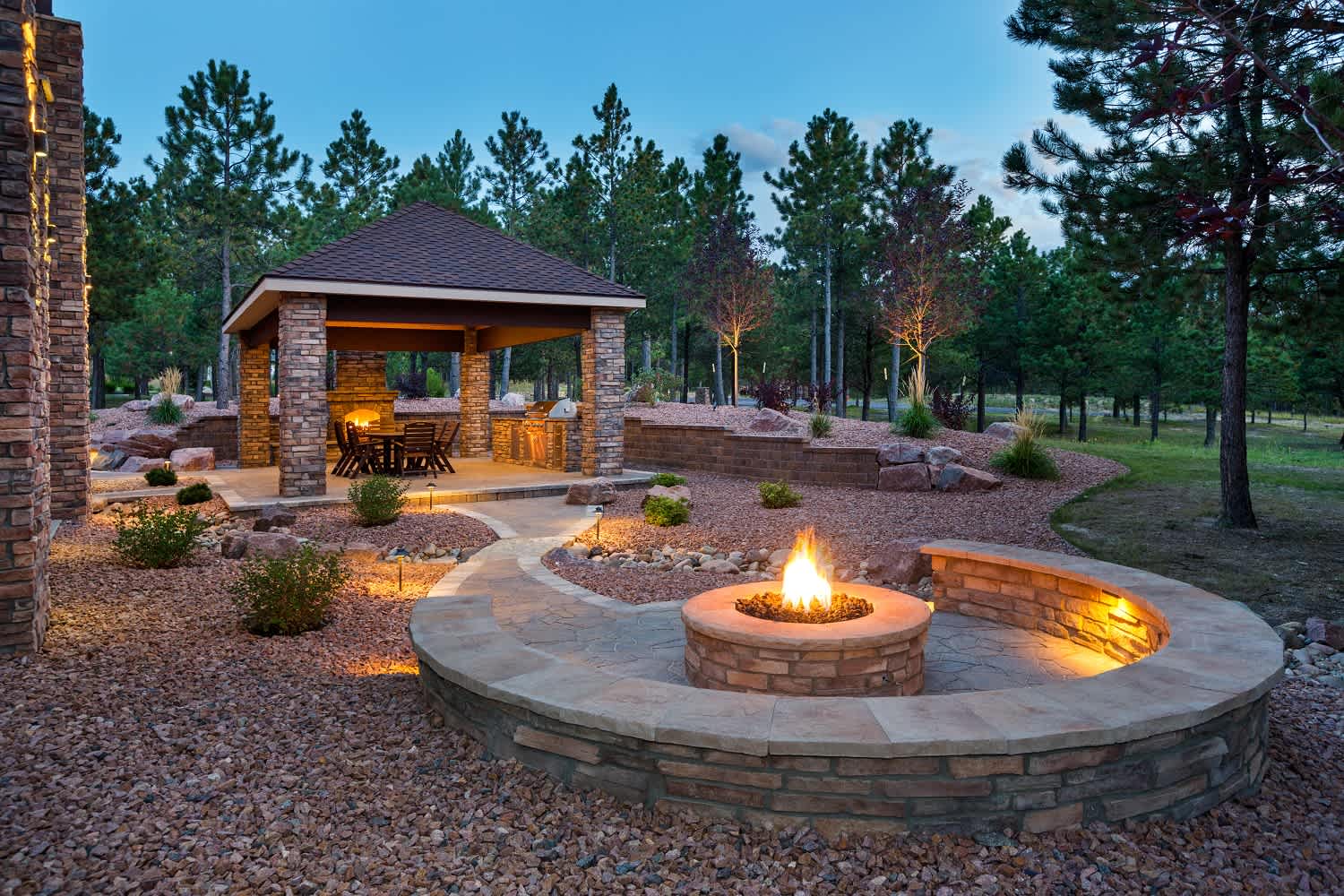







Top-rated fire pit installation pros.

Get matched with top fire pit installation pros in Pickett, WI

Enter your zip and get matched with up to 5 pros

Need a pro for your fire pit installation project in Pickett, WI?

Select your specific project to find the pro for you.

TRUSTED BY PICKETT, WI HOMEOWNERS

  • Average homeowner rating star icon4.3
    Average homeowner rating
  • Verified reviews icon63
    Verified fire pit installation services reviews

Find Fire pit installation pros in Pickett

No results for Fire pit installation pro in

Try adjusting your search criteria.
Fire Pit Installation questions, answered by experts

Shiplap can be safe for a gas fireplace, but you should consult with a fireplace installation pro before proceeding. You need to make sure your project meets building and safety codes since shiplap is made from flammable wood. You may need to install another non-combustible material, like stone or brick, around the fireplace for a certain amount of space before you can add shiplap.

Whether or not your attic ladder needs to be fire-rated depends on your local building codes, so it’s best to check with your municipal office. However, if your ceiling meets a fire requirement, your attic ladder should as well. There are benefits of opting for a fire-rated ladder. For one, thanks to their fire-resistant material, they'll help protect your home from fire spreading from your attic, if one should break out.

Yes, mineral spirits are flammable and may spontaneously combust at temperatures of 200 degrees F or more. Storing them in well-ventilated spaces and disposing of them the proper way are the best ways to prevent mineral spirits or anything contaminated with them, like towels and rags, from going up in smoke.

The damper, located just above the firebox, can open or close the chimney flue. The damper should remain closed unless there’s a fire burning in the fireplace. Closing the damper prevents energy loss through the chimney and cold air from seeping into the home during the winter. Opening the damper helps maintain airflow when there is a fire and prevents smoke and gases from venting into the house.

You should never block both the top and bottom of your chimney. Proper airflow is essential because the temperature inside the chimney will still fluctuate as your house warms and cools. Moisture can build up without ventilation, leading to dampness in your walls over time. Blocking the top prevents debris and animals from entering, but the chimney still needs air circulation to avoid condensation issues. Allowing the chimney to breathe maintains the health of your home and prevents long-term damage.

The Pickett, WI homeowners’ guide to fire pit installation services

From average costs to expert advice, get all the answers you need to get your job done.