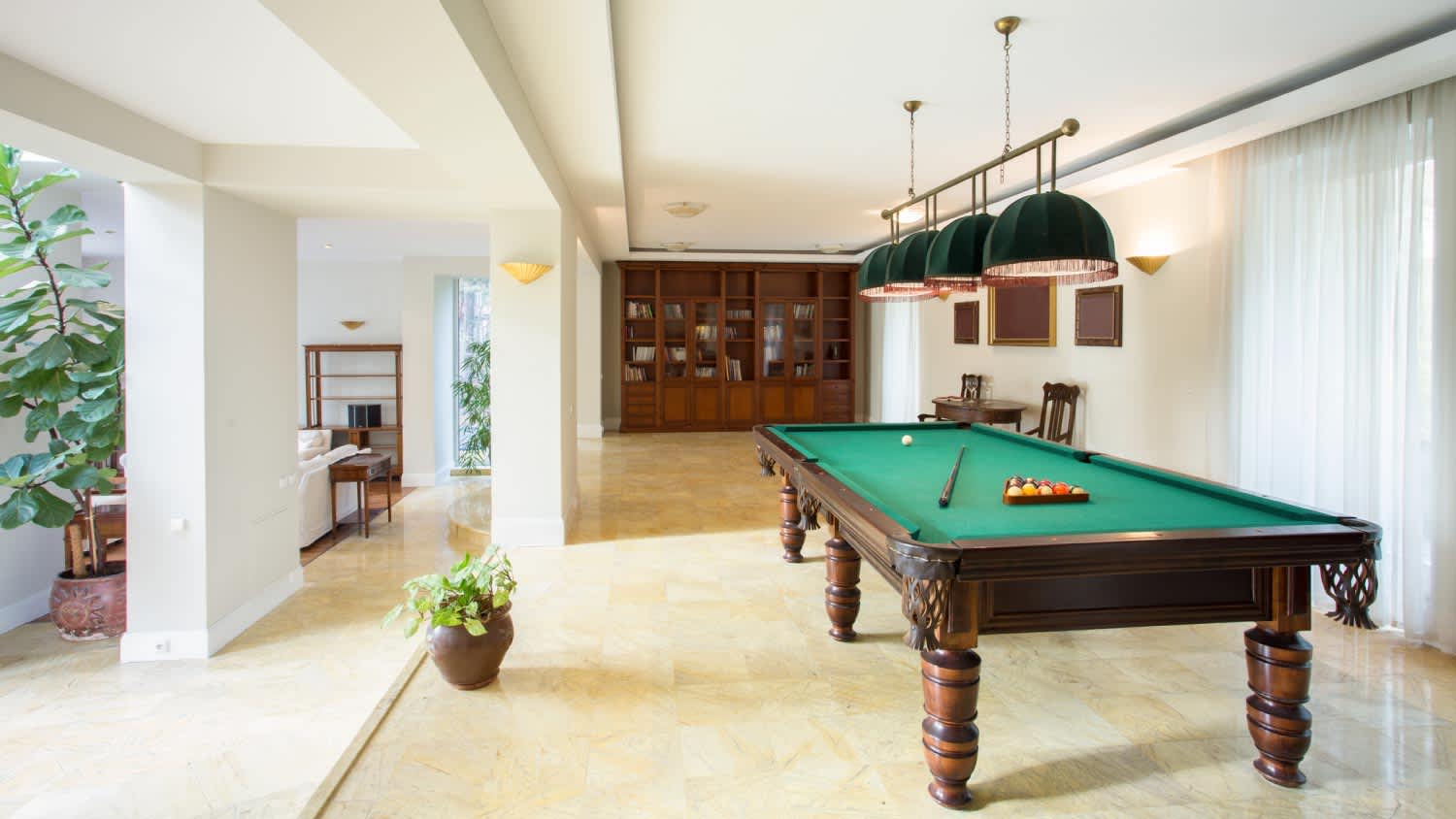








Top-rated pool table assembly pros.

Get matched with top pool table assembly pros in Ontario, WI

Enter your zip and get matched with up to 5 pros

Need a pro for your pool table assembly project in Ontario, WI?

Select your specific project to find the pro for you.

Find Pool table assembly pros in Ontario

King Services
New to Angi

Serving Ontario, WI and surrounding areas

In business since 2016

Free estimates

Credit card accepted

Customer satisfaction is what determines our success; which is why we take a hands-on approach. When interacting with King Services, you'll notice that we're particularly focused on the principles of quality workmanship, timely completion, competitive pricing and integrity in all our business dealings. We combine knowledge and research with our extensive practical experience to ensure a specialized approach for your project needs. Contact us today for a fair and accurate estimate of your project. We look forward to adding you to our long and growing list of happy customers.

Showing 1-10 of 35
Pool Table Assembly questions, answered by experts

Water only runs through a pool heater when not in use if the heater doesn’t have a bypass system. A bypass system stops the flow of water through the heater when not in use. If you don’t have one, then yes, water will still run through the pool heater even when not in use. Not having a bypass system may increase the effects of wear and tear on your pool heater or disrupt the water’s chemical balance.

Yes, pool pumps use a significant amount of electricity, making them one of the biggest energy consumers in a home. A pool pump can use up to three times as much electricity as a refrigerator. Typically, a residential pool pump consumes about 1 kilowatt-hour (kWh) for every hour it runs. Because pumps often need to run for about eight hours a day to properly filter the water, this can add up to an annual consumption of 3,000 to 5,000 kWh, which can cost between $480 and $800 per year based on average electricity rates.

The amount of electricity your pump uses depends on its size, energy efficiency, and daily run time. To lower your energy consumption, you can choose an energy-efficient or variable-speed pump, ensure it is correctly sized for your pool, and run it only for the minimum time required to keep the water clean.

In combination with adequate filtering and water chemical balance, vacuuming will keep your pool from being overrun with algae. If your pool is experiencing algae growth, the same combination will get rid of it with a bit of patience. Heavy algae growth may require the use of an algaecide, and in some cases, you’ll want to vacuum the pool 24 to 48 hours after using algaecide to remove dead algae debris.

Yes, pool designs can be customized to accommodate specific preferences, allowing for unique shapes, personalized tiling, special lighting features, water fixtures, and varying depths to create bespoke leisure experiences.

Yes, you will need building permits for an inground pool, and your pool installation company should pull them for you. The permit filing fee will usually sit between $400 and $1,800, and it should appear on your contract or invoice. You may want to confirm with your contractor that they will pull all necessary permits. You might also need a permit for a new fence, as many municipalities have special fencing requirements for properties with pools. A fence permit costs between $50 and $500. This expense may not be included in your pool installation estimate.

The Ontario, WI homeowners’ guide to pool table assembly services

From average costs to expert advice, get all the answers you need to get your job done.

What do you need done? We’ll find top pros.
  • 🌱 "Mow a small front yard"
  • 🛠 "Fix a leaking pipe under the sink"
  • 🏠 "Repair shingles on an asphalt roof"