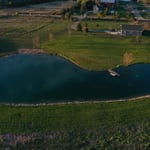
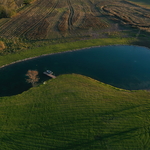
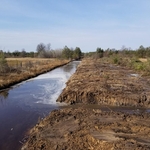
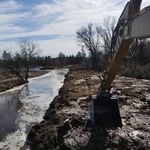
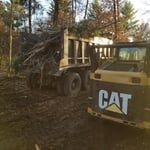
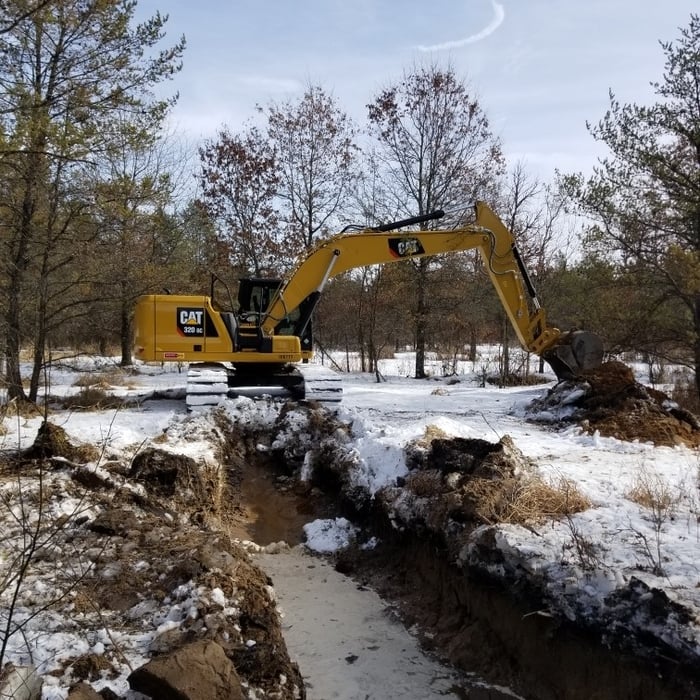
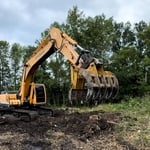
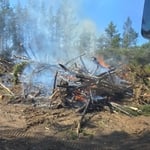
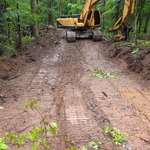
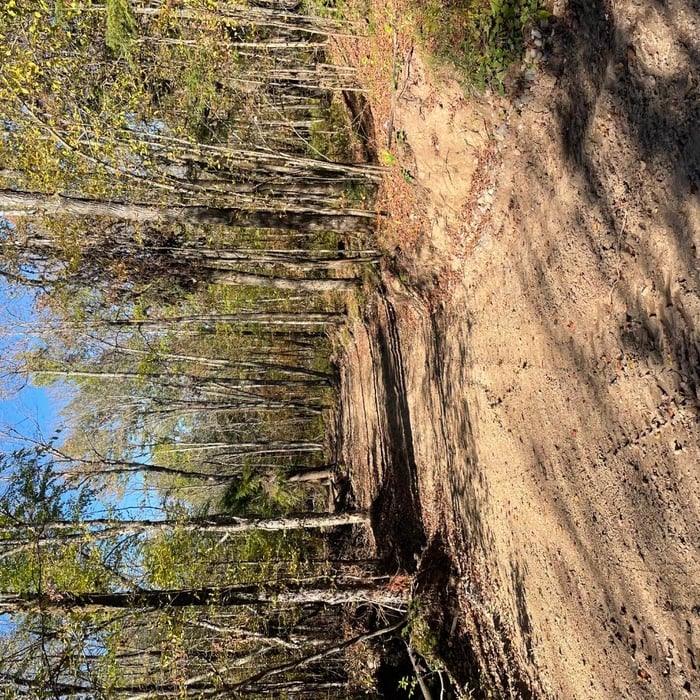
"My hunting land needed stumps, trees and brush removed and a trail system created. Evan came out and walked the 90 acres with me. I explained what my ideas were for improving the hunting on the property. He did make some recommendations for the land and repairs to the pond. He had improvements on other properties, which worked well his customers.
I gave him my budget and he believed he would be in budget. Some issues come up on my side and they were very willing to work me get it done. My hunting party and I are very happy with the work done. My 76 yr old father in law and friend that had a stroke can easily navigate for hunting. They worked long days due to a rain delay. This was to stay on the work schedule for the next customer. I would HIGHLY recommend Evan and Josh for rotary head and high hoe work. My neighbors and I have another project we are planning for the next year.
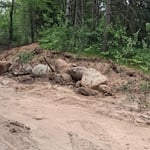
I wanted to load photos of the work done, but the app will not let me."
"They came out on a Sunday and it was Motherâ s Day and worked. Not many other companies would do this. They were very professional and explained what they were going to do. I would hire them again!"
"Scott did a great job with our project. He was great with communication, quality workmanship and got it done in a timely manner. I would hire him again!"
"The project came together really great after a couple of weeks work from the crew. The final outcome was exactly what I anticipated after some guidance and direction for the crew."
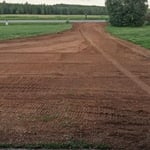
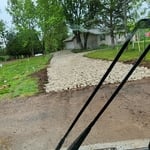
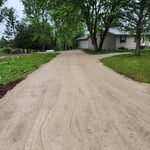
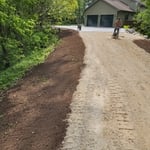
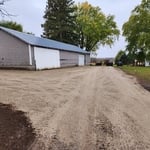
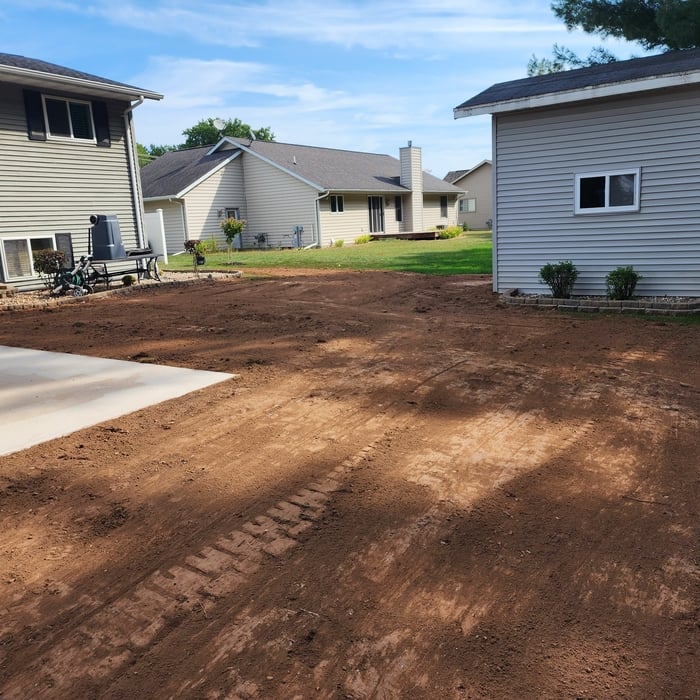
"Leo was very accommodating, professional and personable through our entire project. His mantra is the job is not complete until we are completely happy with the outcome. He did and excellent job placing our 300+ foot gravel driveway and shed pad, ensuring it was just as we planned. We intend to engage him for future projects as we develop the property."
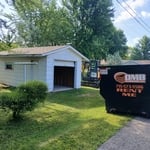
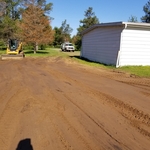
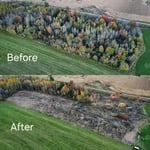
"Customer service was top notch- we started with a 4 acre wooded lot and we had started clearing it ourselves and had many stumps and some more trees to take down. They gave an estimate via photos and email since job site was over an hour away which worked great. Worked til job was finished and did so in a timely manner. We also added clearing a new driveway after the fact and did amazing job. Great communication - would definitely hire again and give referral. Photos are Before and afters."
"Great guy, got the job done quick and properly. Ahead of the time that he scheduled communication 5 â ï¸ I would hire him in the future for next projects. 100% recommendable"
You should dig 3 to 6 inches deep for plastic edging. Dig as wide as you need to fit your plastic edging into it—2 inches is usually sufficient.
Trenching and boring are two distinct methods for installing underground utilities. Trenching involves digging a channel using equipment like an excavator, trencher, backhoe, or shovel. While it is a simpler process, it causes significant disruption to the surface, landscaping, and surrounding ecosystems.
Boring, also known as directional boring, is a less invasive alternative that uses a drill to create a tunnel for utility lines without disturbing the surface. This method is more precise and is ideal for installations that need to go underneath buildings, roads, or bodies of water. Although boring is less disruptive, it is generally more expensive than trenching.
The best way to protect tree roots is to avoid the roots entirely by excavating outside the root radius of the tree. For nearby projects, it’s a good idea to construct a temporary retaining wall. But that’s not always possible, depending on the project and the root system. In these cases, consider using alternative equipment like an auger to tunnel under the ground.
Remember, tree roots can damage nearby cement foundations as they grow. If a tree is close enough to interfere with large excavations, it may be better to remove the tree than risk future problems.
There is no standard depth for burying a septic tank; they are typically buried anywhere from 4 inches to 4 feet underground. The final depth depends on several factors, including the depth of your main sewer line, the height of the bedrock, soil type, local regulations, and the property's landscape. If you plan to grow grass or plants over the tank, a depth of at least 4 to 6 inches is recommended. Deeper tanks can be more difficult to locate, but a septic professional can help find it for you.
A crawl space can be as little as 42 inches below the grade of your house, but this is not always recommended in flood-prone areas. At a minimum, there must be at least 16 inches of clearance between the ground and the floor joists to access the space in an emergency.
The Nekoosa, WI homeowners’ guide to excavation services
From average costs to expert advice, get all the answers you need to get your job done.
Excavation costs $1,500 to $6,300 for most residential projects—but it depends on factors like the size of the area. This guide will help you plan a budget.
You can't have an in-ground pool without digging into the ground. How much does pool excavation cost, and can you take it on yourself? Our guide explains.
Picking the right pro can make or break your project. Learn how to hire an excavation pro with the qualifications and skillset to do the job efficiently.