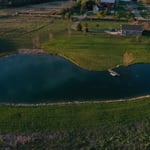
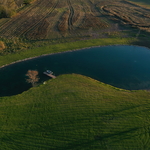
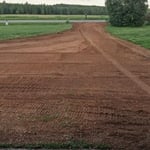
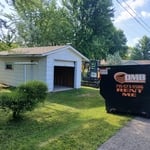
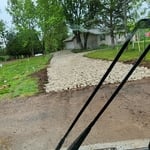
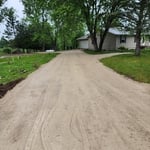
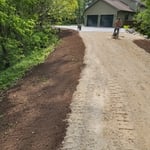
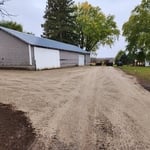
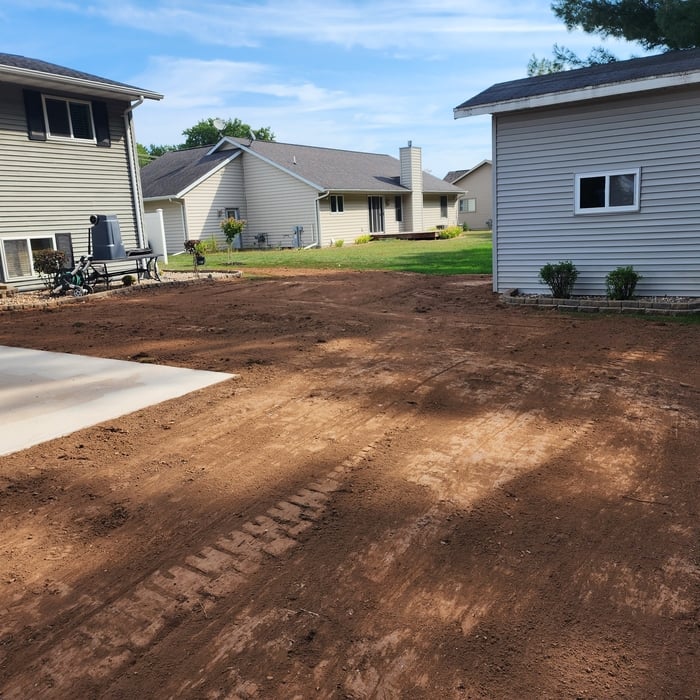
"Central Wisconsin Excavating (CWE) did a fantastic job on our project. They built a solid, well-prepared foundation for our 80,000-bushel grain bin and graded our driveways perfectly to ensure water drains away from our buildings. Their attention to detail, quality of work, and professionalism really stood out. The site was left clean and properly finished, and everything was done right the first time. We’re extremely happy with the results and would highly recommend CWE to anyone needing excavation or site work done right."
Scott Brandt Mini Excavation and Demo is a locally owned and family operated business based in Athens, Wisconsin, specializing in residential and light commercial excavation and demolition services. We provide professional mini excavation, grading, trenching, land clearing, site preparation, and demolition solutions with a strong focus on honest communication and dependable workmanship. Our compact equipment allows us to work efficiently in tight spaces while minimizing property disruption. We are committed to delivering quality results at fair and affordable pricing throughout Central Wisconsin.\n\nLicensed and Insured!
We are a full Landscaping and Construction Services. Whether you are looking to install new patio or a new fence we are here to provide you with the highest quality services or product out there.
Optimal Terrain takes great pride in our experience, expertise, quality, and customer service that we provide to meet the consumer's needs. It is our mission to provide excellent workmanship and complete customer satisfaction from start to completion of a project. Our reputation is based on service, safety, and quality, regardless of how large or small the job.\n\n
I'm a firefighter and I decided to add more income and work to my background, so i bought an excavator and took off from there. At company , our company is based on the belief that our customers' needs are of the utmost importance. Our team is committed to meeting those needs. We welcome the opportunity to earn your trust and deliver you the best service. No job is too big or too small for our experienced team. Call today for a quote.
\n
Welcome to KC DirtWorks, your trusted partner for professional dirt-work, excavation, and site preparation services. We specialize in transforming raw land into solid foundations for residential, commercial, and agricultural projects.
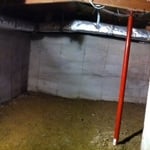
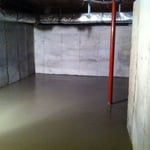
"RESPONSIVENESS TO NEEDS There are different measures of success on any project and different constraints and issues that will challenge those measures. My primary measure of success was a DRY basement, and Brian?s proposal to deliver it was comprehensive. He was committed to meeting my request while satisfying my second measure of success: do it at an affordable price.
ESTIMATE Brian does all estimates himself instead of sending out salespeople (which I appreciate). I scheduled Brian's first visit in the days following a large rainfall that caused flooding in neighboring areas, so his schedule was packed. Understandably, Brian was crunched between appointments when he arrived slightly behind schedule, but he had kept me updated in the hours preceding his arrival. Brian quickly conveyed a focus on resolving the seepage problem. He also listened to my concerns, identified primary and secondary issues, and said he would send a thorough e-mail containing precise details for a solution with a cost breakdown. He arrived and left in about hour, and within a couple days he sent an e-mail estimate with two options. 1) A complete basement drain tile system with crack repairs, or 2) a partial system that he believed would resolve the problem at a lesser cost. He offered to allow me to "upgrade" to the full system in the future and pay the difference between the two estimates. This type of offer was not even discussed by the three other companies (two big names and one small business) that came for estimates.
With the exception of the extended (years-long) payment / financing options offered by the larger companies, Brian?s proposed solution was almost a hands-down winner. The other small company was comparable, but after sending the initial estimate, Brian offered to return on the weekend to give me the opportunity to talk again when there was more time. Other companies' approaches to doing exterior excavation ranged from doing minor reinforcement to not even wanting to touch it. Brian, in contrast, said he can?t honestly guarantee a dry basement when he didn?t know what the previous repair looked like. He offered to completely excavate the two walls that had work done previously and to replace (if necessary) any inferior quality materials with his own fix. Now we're cooking with gas! The cost of the job remained competitive, and this ?extra mile? effort on top of everything else fully satisfied my need to be 100% sure the seepage would be stopped. I opted for the full drain tile system.
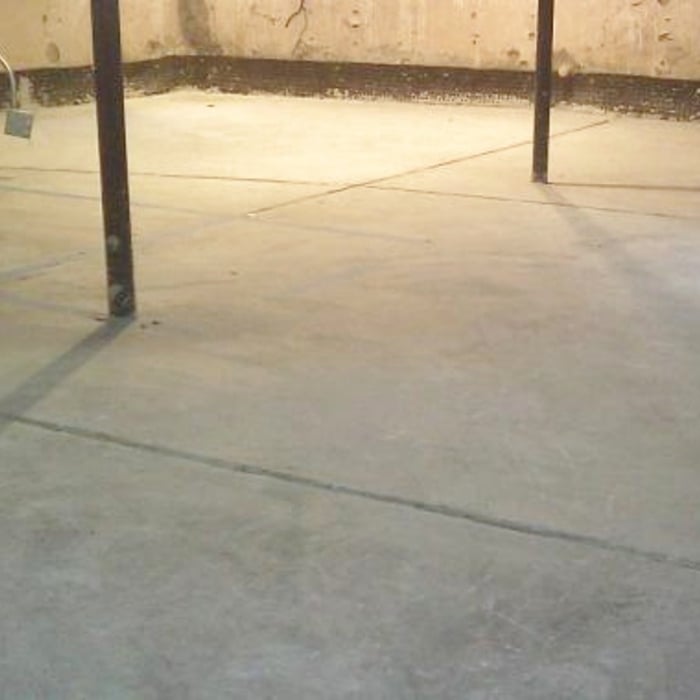
TIME The timeframe Brian quoted was in line with all of his competitors: 2 days max. The time element of the job met some challenges, taking 5 full working days to complete, (Tues-Fri plus half days Sat-Sun). The reason? The crew found the floor was new, dense 4-inch concrete poured on top of the original 4-inch concrete floor. This meant twice the work for the breakup crew that was prepared for a conventional job, making it impossible to accommodate the original time frame. Brian promised to never leave a job unfinished, so he juggled his crews' schedules to make daily progress, and he never once raised his price despite the extra time or material (concrete) required. I was very grateful. He also personally came to finish the job on the weekend rather than pushing it out to Monday or Tuesday.
EXTRAS AND RESPONSIVENESS Some plumbing in the floor was impacted by the concrete breakup and required repairs due to its age and condition. Brian took the time to find the exact materials I requested for the repair and installed them. I was not present at installation so he took photos and video and sent them to me via smartphone so I could verify he got it right. What other contractor does that?! He also paid attention to every detail for laying out the design of the downspout tie-ins, finishing touches, and every single special request I threw at him. He also spotted an additional leak in the corner of the foundation and sealed it up as well. His commitment to resolving every issue to my satisfaction was outstanding.
Brian made himself accessible via phone, e-mail and text, and he responded quickly to inquiries. I wanted to know every detail of the work, and Brian accommodated. Another totally unexpected surprise came when Brian discovered that some of the promised work did not need to be performed, and he provided credit for this instead of using the difference for my extra requests.
SATISFACTION "You'll be happy," is Brian's mantra. He addressed a couple gripes - dust exposure to the first floor space; a few trampled plants outside - by providing equitable financial credits. These professional oversights on his crew's part are unacceptable to Brian, and credit on the final bill was all he could do to make up for it. Overall, the crew was polite, and one even brought a stack of extra floor tiles from his personal supply to replace some I'd lost during demolition work I had done weeks earlier!
From start to finish, despite delays and minor shortcomings, Brian executed on the proposed project by 100% nailing the two most important measures of success ? quality and cost. As for timing, the job ran long but Brian didn't quit until the job was done. I never expect perfection; nevertheless, Brian aimed to earn my satisfaction as his primary goal. I give an A+ on nearly every category, taking a point or two away for the issues mentioned.
Rain is coming in the next two days, and I'll only edit this review if the repairs fail to deliver a dry basement. I am posting this review before the rain comes as a vote of confidence that I won't have to change a word.
The most important criterion to assess a job well done is whether you'd recommend a service provider to a family member or friend. In Brian's case, I absolutely would."
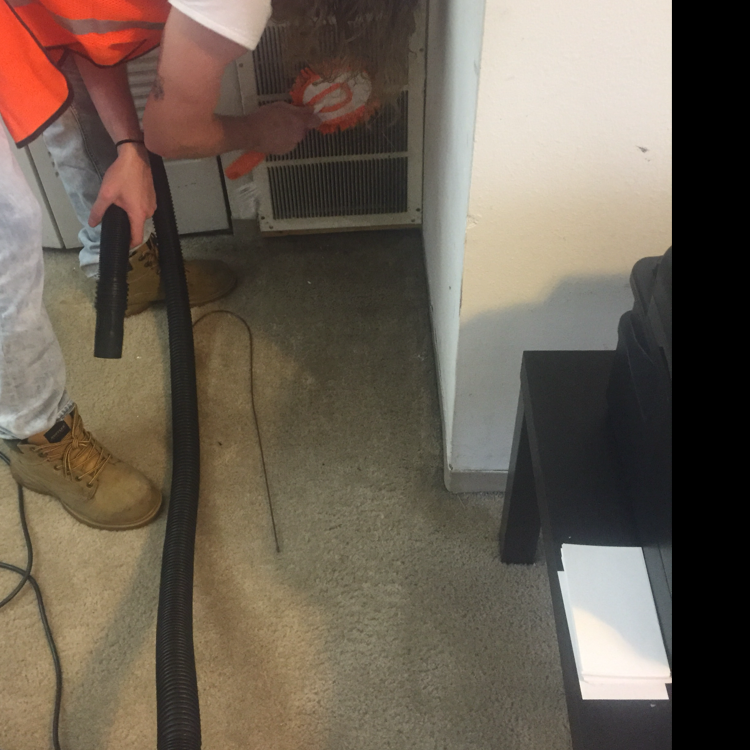
HVAC, general repairs, maintenance, Lawn care, mold clean-up and Remodeling, Debris Removal, Final Cleanings plus more. We have been in business since 1982.
We are a locally owned and operated company that values honesty and integrity and treats your home as if it were our own. We offer a variety of General Contractor services that are customizable to each individual project. You will find us to be competitively priced, paying close attention to the details of each and every project that we are involved with. We look forward to building lasting relationships and guarantee your satisfaction!\n
Armattis trucking, excavating, and snow removal offers any type of heavy equipment work needed from excavating, landscaping, demolition, road work, land clearing, snow plowing and so much more! Residential or Commercial. We have been reliable and flexible for any service needed and whenever wanted for many years. Contact us to get a free estimate today! Family owned and operated for over 50 years! Guaranteed best prices but also the best work! We don’t cut corners, if you want the job done right and to last you know where to go!
No, fire blight does not survive free in the soil but instead is carried through insects, animals, rain, or wind during the spring. Keep in mind that it can also spread on tools, which is why you should always disinfect them in between cuts.
The rules and regulations regarding groundwater use vary between states. To find out if you can dig a well on your property, you’ll have to consult these regulations, address any compliance requirements, and get the appropriate permits. It’s also important to check that your intended location has the right geology and water table to support a well.
Call 811 to locate and mark the gas lines at least three days before digging. In many areas, you can dig within 18 inches of the lines, though in some locations, the distance may be further. Check local regulations, as you may need a utility company representative onsite when digging. Document your calls to 811 and precautions taken to avoid gas lines. A homeowner can be held liable for hitting a gas line in some cases, but contacting the proper authorities and following all guidelines can offer protection.
No, a ditch isn’t a trench. A ditch is an open, relatively shallow channel that’s carved out of the ground and used for drainage purposes. In contrast, a trench is a deeper excavation that’s entirely underground. Trenches have many uses, including gas lines, sewage systems, and electrical wiring. Unlike trenches, ditches don’t get filled back in with dirt after they’re dug.
Some two-in-one tools and machines do both jobs, and those could be the right solution for smaller residential projects. However, the phrase “use the right tool for the job” definitely applies to digging. For the best results, get two separate tools for your trenching and landscape edging projects or call a pro to take care of everything for you.
The Junction City, WI homeowners’ guide to excavation services
From average costs to expert advice, get all the answers you need to get your job done.
Excavation costs $1,500 to $6,300 for most residential projects—but it depends on factors like the size of the area. This guide will help you plan a budget.
You can't have an in-ground pool without digging into the ground. How much does pool excavation cost, and can you take it on yourself? Our guide explains.