


Top-rated lead testing and removal specialists.

Get matched with top lead testing and removal specialists in Monticello, WI

Enter your zip and get matched with up to 5 pros

Need a pro for your lead testing and removal project in Monticello, WI?

Select your specific project to find the pro for you.

Find Lead testing and removal specialists in Monticello

Avatar for Umbrella Environmental
Umbrella Environmental
5.0(
28
)
Toxic Lead - Abatement

Serving Monticello, WI and surrounding areas

Approved

Super Service Award Winner

In business since 2010

Free estimates

Emergency services offered

"Todd Szada at Umbrella Environmental was awesome! He recommended that we get our vinyl tested for asbestos prior to any attempt at removal - the logic being that if the material did NOT contain asbestos, there would be no need to remove the material. He promptly visited our residence soon after we reached out and obtained a sample, had it tested and let us know that the vinyl did not contain asbestos and there was no need for removal. He saved us a great deal of money and simultaneously sacrificed additional business to help us. Todd is a consummate professional and we are very grateful we found him!"
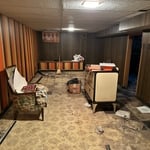
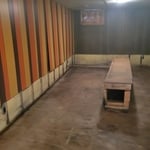
Rec Room - Before.  This is the room before any work was performed.
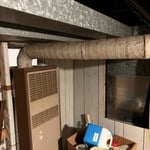
Asbestos containing wrap on ductwork - Before
Rec Room - After.  The asbestos containing floor tile and the asbestos containing mastic was removed from this basement located in Milwaukee, WI.
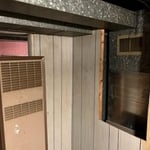
Ductwork with asbestos wrap removed.
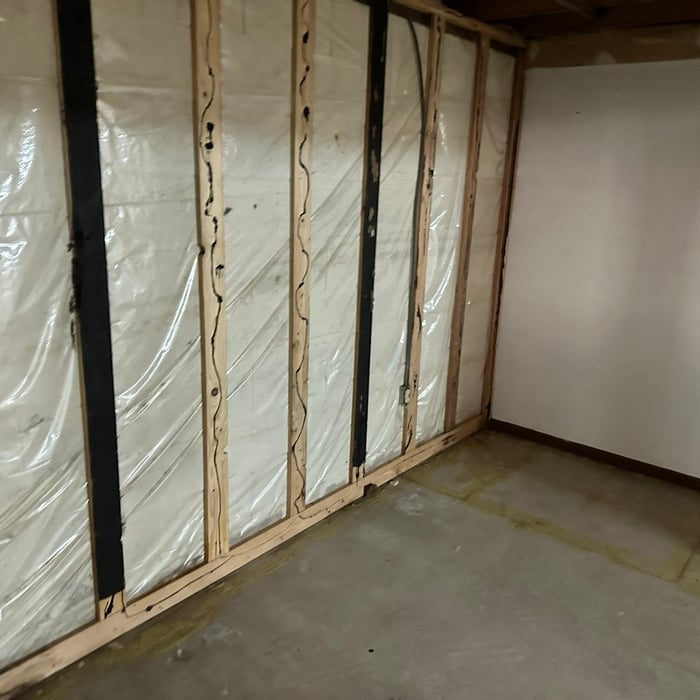
The adhesive used on the wood furring strips contained asbestos and needed to be removed by Umbrella Environmental Services.

+11

Response time1 day
Response rate100%
13 neighbors recently requested a quote

Lead Testing and Removal questions, answered by experts

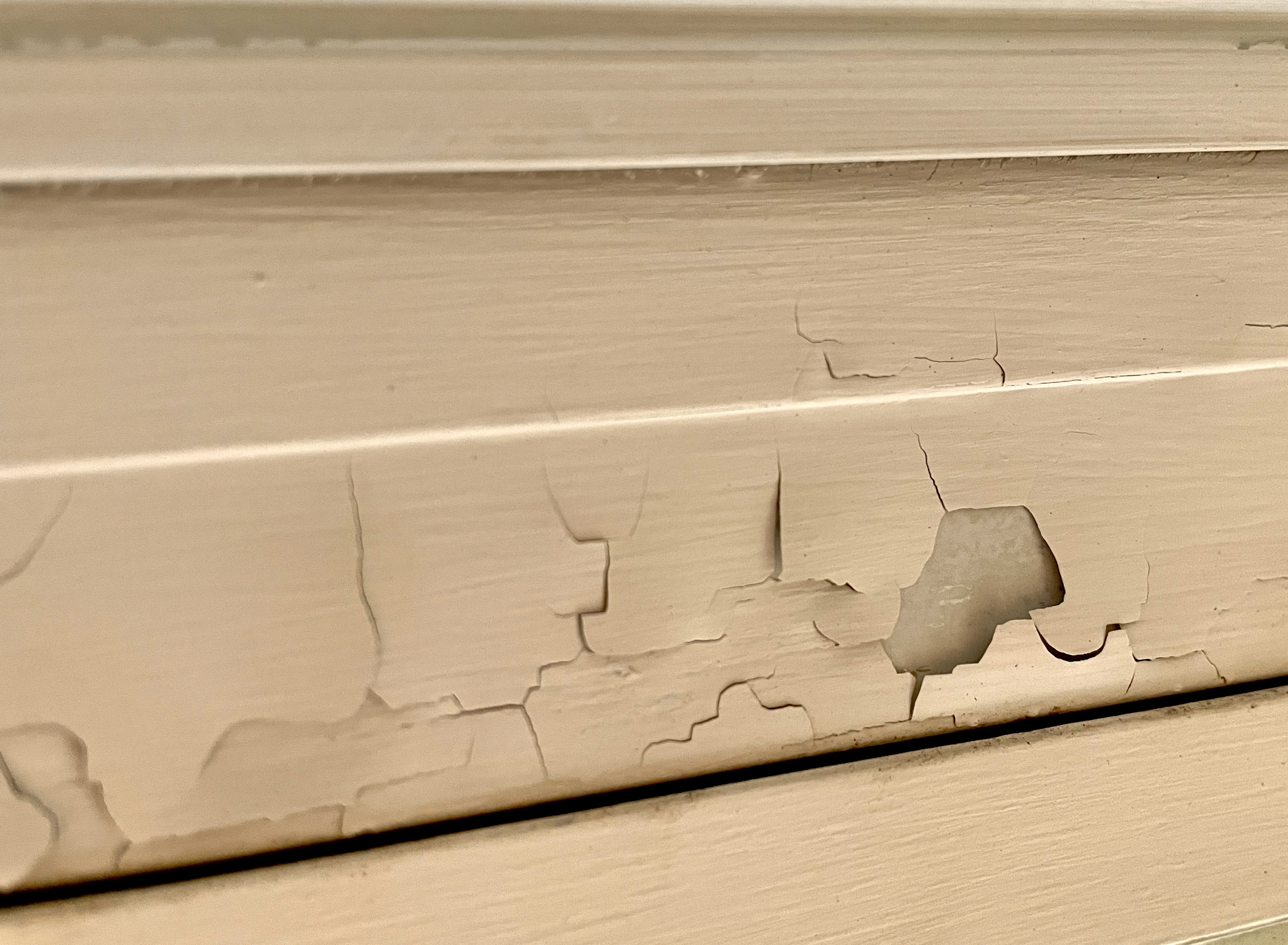
You do not have to remove lead paint if the surface is not chipping or peeling or if there are no pregnant people or children under the age of six who live in or regularly visit your home. Lead paint is a particular risk for young children whose brains and bodies are not fully developed. Experts strongly recommend that you call a pro to remove lead paint if it’s peeling or flaking, no matter who lives in the home. You can experience lead poisoning by breathing in or ingesting just a small amount of it.

DIY kits are available for basic air quality testing, but professional services provide more comprehensive results and recommendations. While a DIY kit may seem cost-effective, a professional assessment is more thorough. Inspectors are better equipped to catch all pollutants and hazards, and you'll still need a professional to verify and act on DIY test results. Furthermore, some kits don't test for certain pollutants or only detect their presence without measuring specific levels (like mold spores). It's generally better to opt for a detailed professional assessment.

According to the EPA, there is no safe level of lead in the blood, and so the maximum contaminant level goal (MCLG) for lead in water is zero. Even at low levels, lead is harmful to human health. It can also remain in the body and build up over time with repeated exposure.

According to the Environmental Protection Agency (EPA), hazardous waste is generally classified into four main categories:

1. Characteristic Wastes: These exhibit at least one of four hazardous traits: ignitability (flammable, like gasoline), corrosivity (can rust or decompose materials, like car batteries), reactivity (unstable and can explode, like aerosol cans), or toxicity (harmful when ingested, like lead-based paint).

2. Listed Wastes: These are specific wastes from manufacturing and industrial processes that the EPA has officially designated as hazardous. They include byproducts from processes that use solvents, pesticides, and other chemicals.

3. Universal Wastes: These are commonly generated hazardous items that are subject to streamlined regulations. Examples include batteries, pesticides, mercury-containing equipment (e.g., bulbs), and some lamps.

4. Mixed Wastes: This category includes waste that contains both hazardous and radioactive components, making it subject to regulation by both the EPA and the Nuclear Regulatory Commission.

You can sell a house with lead paint, but there are several requirements. If you are aware that lead paint exists anywhere in the home, you must disclose that to potential buyers. Required home inspections will often uncover lead paint, especially for older houses where lead paint may still be a problem. If you have taken steps to encapsulate lead, you should provide buyers with full documentation of the project so it won’t cause any problems later on.

The Monticello, WI homeowners’ guide to lead testing and removal services

From average costs to expert advice, get all the answers you need to get your job done.