


Top-rated lead testing and removal specialists.

Get matched with top lead testing and removal specialists in Evansville, WI

Enter your zip and get matched with up to 5 pros

Need a pro for your lead testing and removal project in Evansville, WI?

Select your specific project to find the pro for you.

Find Lead testing and removal specialists in Evansville

Avatar for Umbrella Environmental
Umbrella Environmental
5.0(
28
)
Toxic Lead - Abatement

Serving Evansville, WI and surrounding areas

Approved

Super Service Award Winner

In business since 2010

Free estimates

Emergency services offered

"Highly recommended. We needed our attic tested for Asbestos before putting new roof and insulation in. Todd returned my call immediately, patiently answered all of my questions and tested the attic next day. This was great, because the roof was going up 3 days later! Luckily there was no asbestos and we could proceed with the work. I’m very grateful for Todd and Umbrella Environmental."
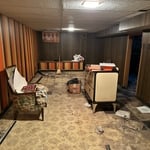
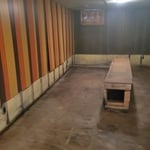
Rec Room - Before.  This is the room before any work was performed.
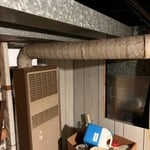
Asbestos containing wrap on ductwork - Before
Rec Room - After.  The asbestos containing floor tile and the asbestos containing mastic was removed from this basement located in Milwaukee, WI.
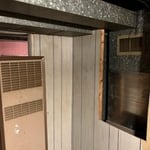
Ductwork with asbestos wrap removed.
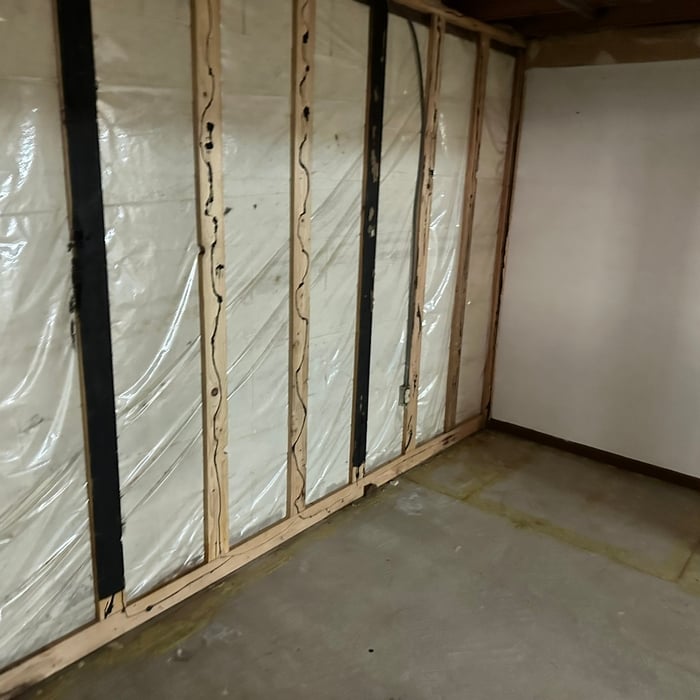
The adhesive used on the wood furring strips contained asbestos and needed to be removed by Umbrella Environmental Services.

+11

Response time1 day
Response rate100%
15 neighbors recently requested a quote

Lead Testing and Removal questions, answered by experts

If your home was built before 1978, there’s a chance that any paint on your hardwood floors could be lead paint—especially if it was already there when you moved in. Because lead is toxic, hiring a licensed pro to remove it is mandatory. The average price for professional lead paint removal ranges from $1,500 to $5,300 and depends on the scope of the project.

Hiring a professional for mold and toxic material testing ensures precise identification of harmful substances within a home. Professionals utilize specialized equipment and techniques, providing accurate results that inform proper removal strategies, safeguarding occupant health.

According to the Environmental Protection Agency (EPA), hazardous waste is generally classified into four main categories:

1. Characteristic Wastes: These exhibit at least one of four hazardous traits: ignitability (flammable, like gasoline), corrosivity (can rust or decompose materials, like car batteries), reactivity (unstable and can explode, like aerosol cans), or toxicity (harmful when ingested, like lead-based paint).

2. Listed Wastes: These are specific wastes from manufacturing and industrial processes that the EPA has officially designated as hazardous. They include byproducts from processes that use solvents, pesticides, and other chemicals.

3. Universal Wastes: These are commonly generated hazardous items that are subject to streamlined regulations. Examples include batteries, pesticides, mercury-containing equipment (e.g., bulbs), and some lamps.

4. Mixed Wastes: This category includes waste that contains both hazardous and radioactive components, making it subject to regulation by both the EPA and the Nuclear Regulatory Commission.

At-home lead tests can provide accurate results if used correctly, and if the kits are reputable and certified. They vary in sensitivity and methodology, influencing their accuracy. Follow instructions meticulously, ensuring proper sample collection and test execution. While they can detect elevated lead levels, for precise confirmation or if results are concerning, consider professional testing or lab analysis for comprehensive accuracy and guidance on addressing any issues.

Structural problems with the foundation or roof, water damage, and significant plumbing or electrical issues are all considered major red flags in a home inspection. Of these, a structural problem related to the foundation is often the most severe. Foundation repairs are typically the most expensive and intrusive to carry out, averaging around $5,000 but sometimes reaching up to $16,000. Because these problems can pose safety risks and be costly to fix, you should ask your inspector detailed questions about any identified issues. You will need to carefully consider how major problems affect what you’re willing to pay for the home, or if you want to proceed with the sale at all.

The Evansville, WI homeowners’ guide to lead testing and removal services

From average costs to expert advice, get all the answers you need to get your job done.