





Top-rated fire pit installation pros.

Best fire pit installation pros near Lake Tomahawk, WI

Enter your zip and get matched with up to 5 pros

Need a pro for your fire pit installation project in Lake Tomahawk, WI?

Select your specific project to find the pro for you.

Top-Rated Fire pit installation pros in Lake Tomahawk - Updated Nov 2026

J&BZ Services
New to Angi
Handyman for Multiple Small Projects

Serving Lake Tomahawk, WI and surrounding areas

Approved

Free estimates

Warranties offered

Small jobs welcome

Family owned business my fiance and myself run the company. We’ve have about 20 years of experience with various handyman jobs, flooring installations, painting and gutters. We live in Park Fall and are willing to service Price county and surrounding areas. We firmly believe in doing the job right the first time and if it’s not good enough for my own house it’s not good enough for a customers house. We hope to help you out with any services that you may need!

1 neighbors recently requested a quote

Showing 1-10 of 41
Fire Pit Installation FAQs, answered by experts

According to the National Fire Protection Association’s Code NFPA 25 (titled “Standard for the Inspection, Testing, and Maintenance of Water-Based Fire Protection Systems”), private fire hydrants must undergo inspection once per year, with an accompanying flow test and any necessary maintenance performed on the same schedule. Keep in mind that your town, city, or county may adopt more or less strict testing requirements. 

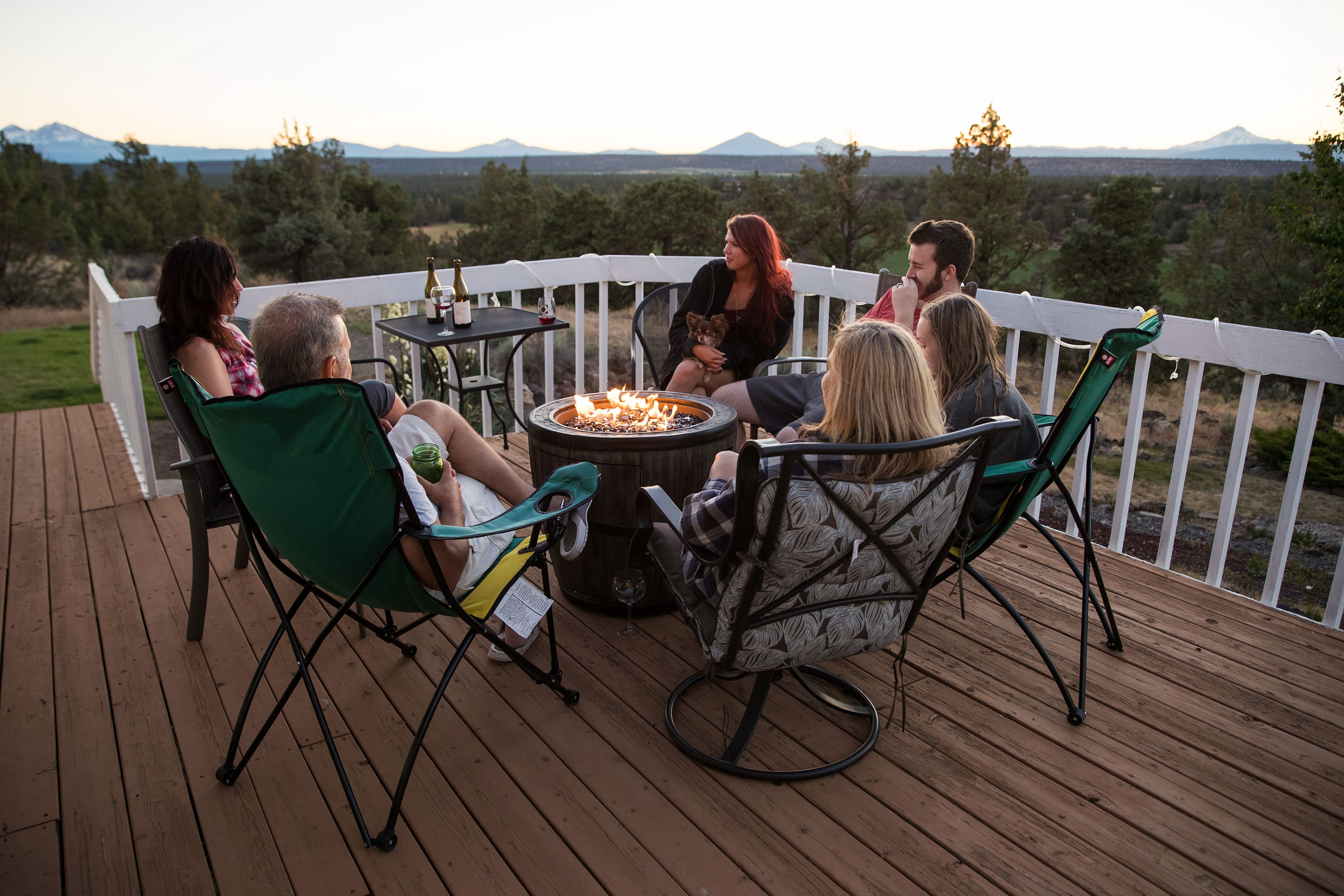
Yes, it is generally safe to have a fire pit on a deck, but you must adhere to building codes and take several safety precautions. For both built-in and freestanding models, you must use a heat-resistant barrier, such as a fire pit pad or heat shield, between the pit and the deck. Additionally, consider the weight of the fire pit and ensure your deck can structurally support it, reinforcing it if necessary. The fire pit must also be positioned a safe distance from your house, particularly from materials like vinyl siding, to prevent heat damage.

Yes, a chimney damper is necessary. It controls airflow in and out of your fireplace, helping to retain heat when closed and allowing smoke to escape when open. Without a damper, your home could lose warmth during cold months, leading to higher energy bills. It also helps prevent downdrafts and keeps animals or debris from entering the chimney. In short, it’s essential for efficiency and safety.

The best way to store firewood is outdoors and away from your home, shed, or garage. Stacking wood against your house can be a fire hazard and attract unwanted pests. Store your firewood under a shelter where it's protected from rain and snow but still exposed to sunlight and open air. You can lay a tarp on top to help keep moisture out.

Yes. Not only do gas stoves present the risk of a gas leak, but cooking with gas produces twice as much harmful particulate matter. According to Columbia University’s Climate School, gas stoves can also release formaldehyde, a known human carcinogen, and carbon monoxide, which can be toxic in high concentrations.

The Lake Tomahawk, WI homeowners’ guide to fire pit installation services

From average costs to expert advice, get all the answers you need to get your job done.