



Top-rated lawn care pros.

Best lawn care pros near Jackson, WI

Enter your zip and get matched with up to 5 pros

Need a pro for your lawn care project in Jackson, WI?

Select your specific project to find the pro for you.

TRUSTED BY JACKSON, WI HOMEOWNERS

  • Average homeowner rating star icon4.3
    Average homeowner rating
  • Verified reviews icon425
    Verified lawn care services reviews

Top-Rated Lawn care pros in Jackson - Updated Nov 2026

Avatar for Mission Ready Lawncare Services LLC
Mission Ready Lawncare Services LLC
5.0(
7
)
Lawn Care - Maintain and Mow a LawnLawn & Yard Waste Clean UpLawn Care - Aerate a Lawn+3 more

Serving Jackson, WI and surrounding areas

Approved

"I can only say positive things. My machine was down, it was over 2 weeks from the last mow, and Mission Ready came the same day as my inquiry/request. Mow, trim, and blow, and looked great when I got home. I live in Milwaukee, and despite getting nothing for your tax dollars, in terms of services, the city loves to give you warnings. I would definitely hire Mission Ready again, and recommend them to others."

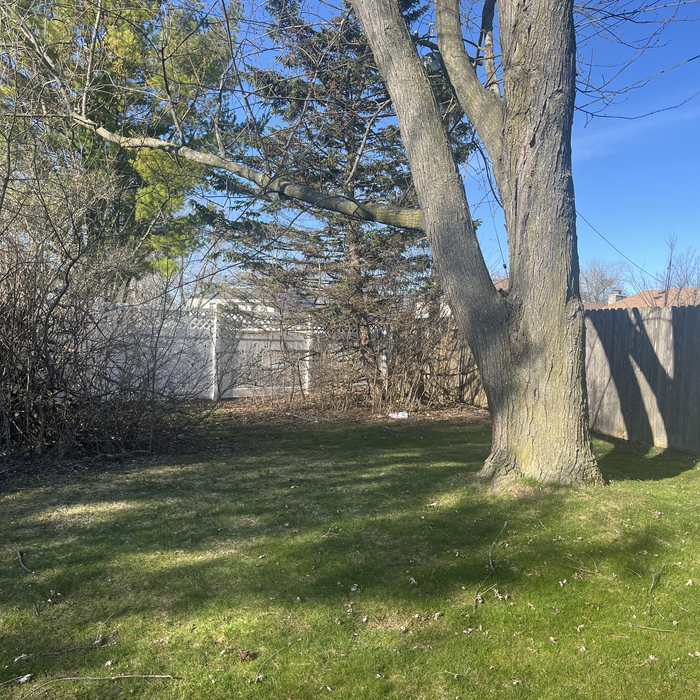
Oak creek lawn
Oak creek lawn
Oak creek lawn
2 neighbors recently requested a quote

...
Showing 1-10 of 195
Lawn Care FAQs, answered by experts

In many cases, it’s a good idea to water St. Augustine grass daily to keep the soil moist and the grass thriving. It’s drought-tolerant, but it’s always best to keep it watered. However, it’s also important not to overwater, so skip watering during wetter conditions and aerate your lawn to promote proper soil drainage.

St. Augustine grass grows fast thanks to its dense mat-like structure and vigorous root system. If you've laid St. Augustine sod, it'll put down roots, get itself established, and start to spread in 14 days.

The process to winterize your landscaping depends on the plants you have, but generally speaking, you should rake your lawn to avoid leaves from smothering your grass and leading to mold and fungi growth, wrap young trees to protect from fluctuating temperatures, and fertilize your lawn to provide some nutrients for the grass through the colder temperatures. You can also consider marking off small trees and shrubs to avoid accidentally damaging them with snow removal tools.

In general, cool-season grasses such as fescue grass, ryegrass, and Kentucky bluegrass are best for creating a striped lawn. Warm-season grasses like bermuda and zoysia grass don't curl as much, so grass stripes aren't as easy to see. If you live in a climate that’s better suited for warm-season grass, zoysia grass will typically be your best option.

Water daily, avoid heavy foot traffic, and mow when the grass reaches 3-4 inches.

The Jackson, WI homeowners’ guide to lawn care services

From average costs to expert advice, get all the answers you need to get your job done.