


Top-rated fire pit installation pros.

Best fire pit installation pros near Iron River, WI

Enter your zip and get matched with up to 5 pros

Need a pro for your fire pit installation project in Iron River, WI?

Select your specific project to find the pro for you.

Top-Rated Fire pit installation pros in Iron River - Updated Nov 2026

Kolkind Construction LLC
5.0(
1
)
Handyman for Multiple Small Projects

Serving Iron River, WI and surrounding areas

In business since 2020

Free estimates

"Kolkind Construction did an outstanding job on our deck repair and custom handrail! From start to finish, they were professional, communicative, and incredibly easy to work with. The quality of their craftsmanship exceeded our expectations, and they paid attention to every detail to make sure everything was done right. It's refreshing to work with a contractor who shows up when they say they will, keeps you informed throughout the project, and takes pride in their work. I highly recommend Kolkind Construction to anyone looking for quality workmanship and excellent customer service!"
Olson's Renovations & Repairs
New to Angi
Handyman for Multiple Small Projects

Serving Iron River, WI and surrounding areas

In business since 2020

Free estimates

Credit card accepted

At Olson's Renovations & Repairs, our company is based on the belief that our customers' needs are of the utmost importance. Our team is committed to meeting those needs. We welcome the opportunity to earn your trust and deliver you the best service. No job is too big or too small for our experienced team. Call today for a quote. \n

Showing 1-10 of 22
Fire Pit Installation FAQs, answered by experts

A spark arrestor is a simple metal mesh device that prevents flammable particles from escaping from a combustion source and causing a fire. You typically find these attached to gas or diesel engines on things like cars, generators, and garden tools (lawnmowers, chainsaws, etc.). Fireplace or wood-burning stove chimneys also have spark arrestors attached to or sitting under the chimney cap to capture burning embers.

In addition to flashing, a roof cricket can help divert water around your chimney so that it drains properly off your roof. It’s shaped like a double triangle and is installed behind the chimney so that falling water spills evenly down each side. This helps prevent water from accumulating behind your chimney, which can increase water damage and the risk of leaks. 

The International Building Code (IBC) requires cricket installation if a chimney built after 2012 measures over 30 inches in width. Chimneys constructed before that date are typically grandfathered in and aren’t required to have crickets installed.

While your forced heating system runs, it can pick up dirt, dust, hair, and other particles from inside your house. Changing your furnace filters regularly is key to preventing this debris from getting stuck in your ducts and swirling around your home. With some types of furnaces, there’s also the potential for carbon monoxide leaks. However, staying up-to-date with your HVAC inspections and installing carbon monoxide sensors can help mitigate this risk.

Yes, you need to leave your chimney damper open when burning a creosote log so that smoke and other debris doesn’t waft into your house as it’s burning. You’ll need to make sure your damper is fully open, even when the log continues to smoke, until it’s completely out and cold.

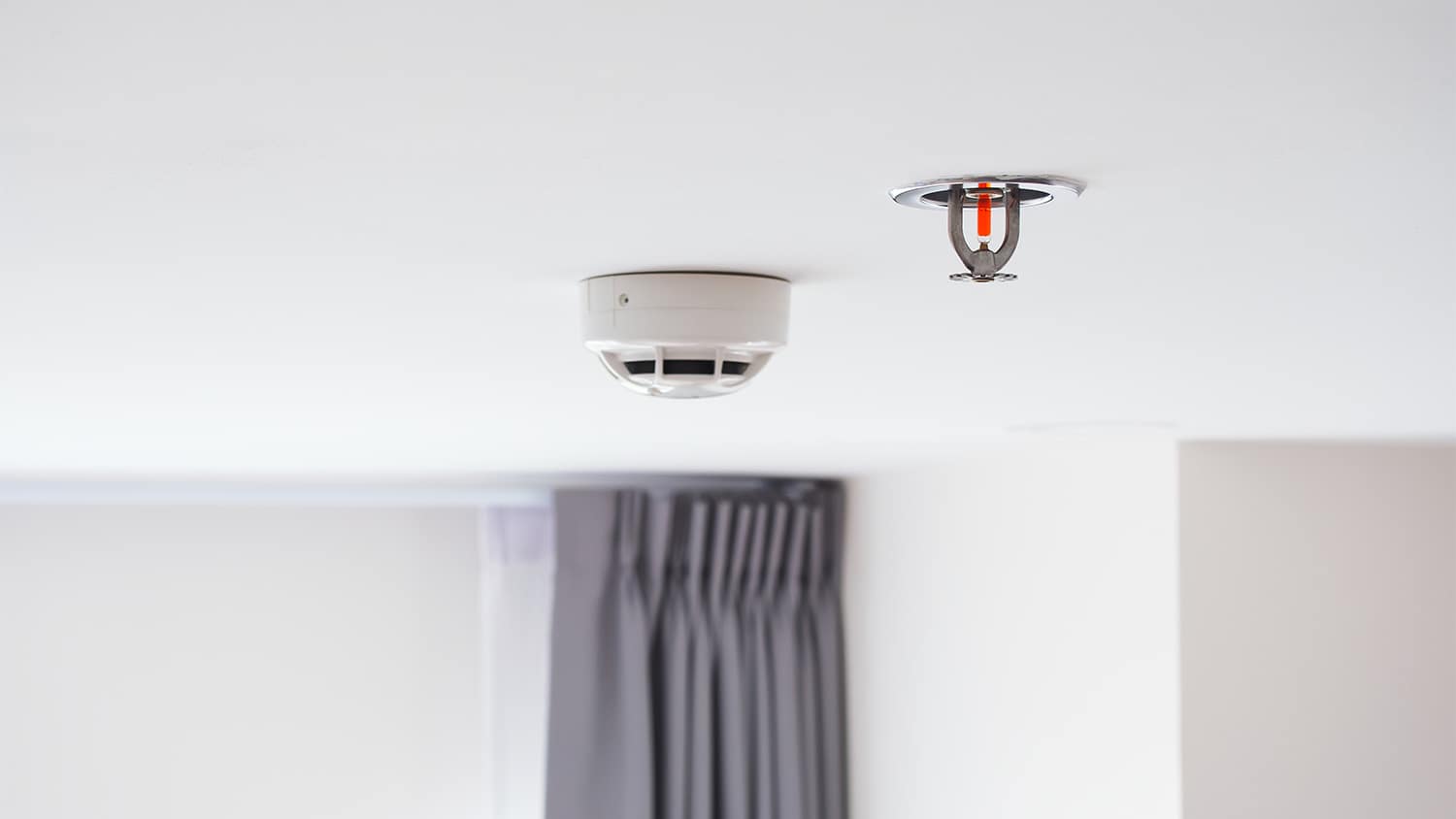
You don’t have to put smoke detectors in every room. At a minimum, though, there should be one on every level of your home, one in every bedroom, and one in the hallways outside the bedrooms. If you have a floor without bedrooms, place a smoke detector in the living room or next to any stairs that lead to an upper level. Attics and basements should also have at least one smoke alarm.

The Iron River, WI homeowners’ guide to fire pit installation services

From average costs to expert advice, get all the answers you need to get your job done.