


Top-rated ceramic tile pros.

Best ceramic tile pros near Iron River, WI

Enter your zip and get matched with up to 5 pros

Need a pro for your ceramic tile service project in Iron River, WI?

Select your specific project to find the pro for you.

Top-Rated Ceramic tile pros in Iron River - Updated Nov 2026

Twin Cities Tile
New to Angi
Tile: Ceramic and Porcelain - Install - For BusinessTile: Ceramic and Porcelain - Repair- For Business

Serving Iron River, WI and surrounding areas

In business since 2017

Free estimates

Offers commercial services

At Twin Cities Tile we pride our ourselves in quality, value, and service! We are experts in our trade and will do our best to keep you as educated as we can on your particular project. We look forward to earning your business! \nWhen you contact us, you'll be given the exceptional customer service you deserve, including free quotes, up-front pricing, and no hidden fees. These benefits are provided to our clients in order to show that our company genuinely cares about customer satisfaction. Give us a call today to schedule your free estimate!

Avatar for AB contracting
AB contracting
New to Angi
Tile: Ceramic and Porcelain - InstallTile: Ceramic and Porcelain - Install - For BusinessTile: Ceramic and Porcelain - Repair+1 more

Serving Iron River, WI and surrounding areas

Free estimates

Credit card accepted

We specialize in handyman services, home repairs, remodeling, and more! We guarantee your satisfaction, and we won’t leave until the job is done right. We pride ourselves on the quality work we provide, while delivering great customer service! Check out all the services we offer below and call -or- click to schedule a free estimate today!

Ceramic Tile FAQs, answered by experts

The average cost for tile installation is about $2,000, with a typical price range between $500 and $6,500. On a per-square-foot basis, you can expect to pay between $5 and $45 for installation.

Several factors influence the total cost, including:

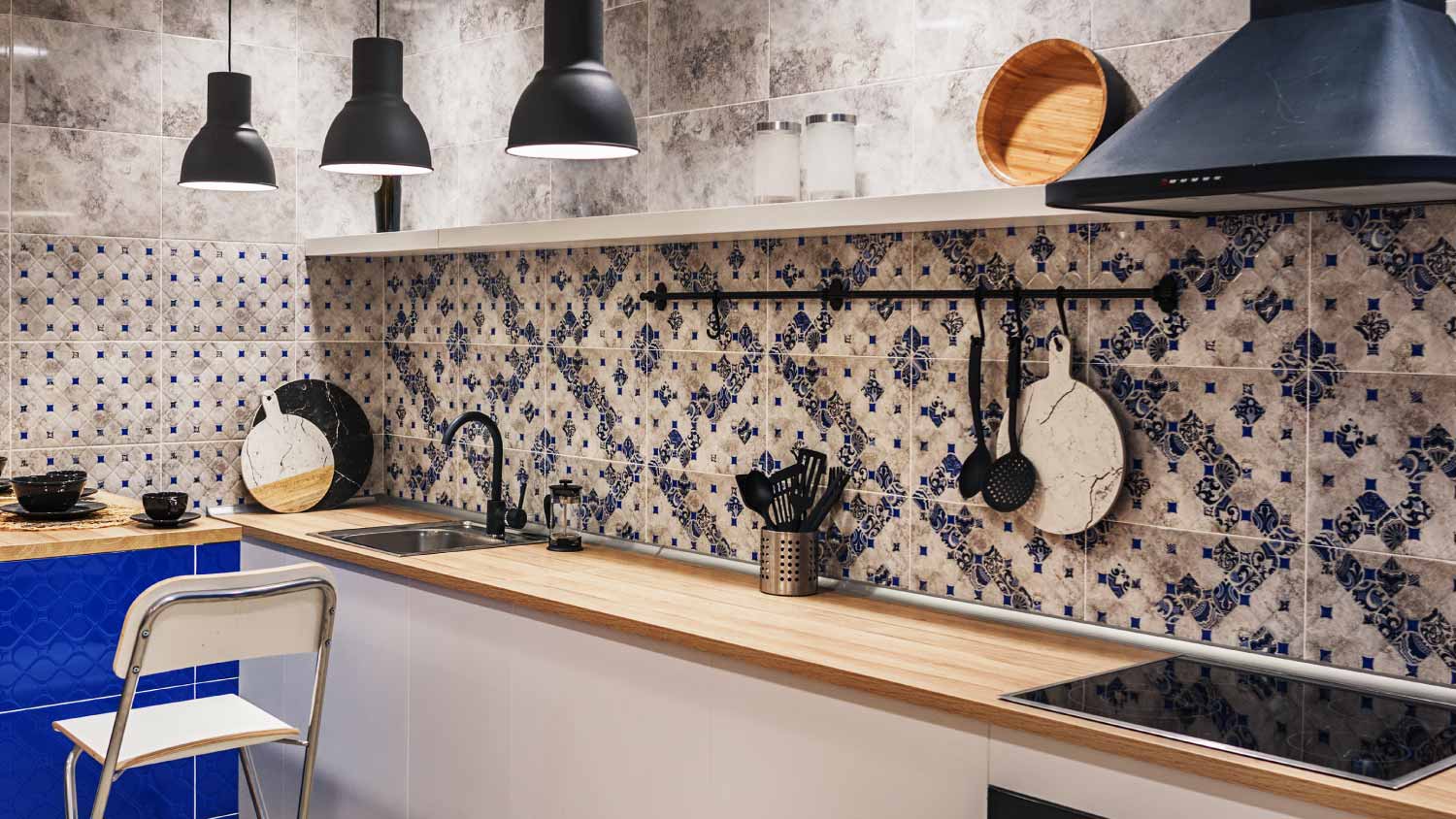
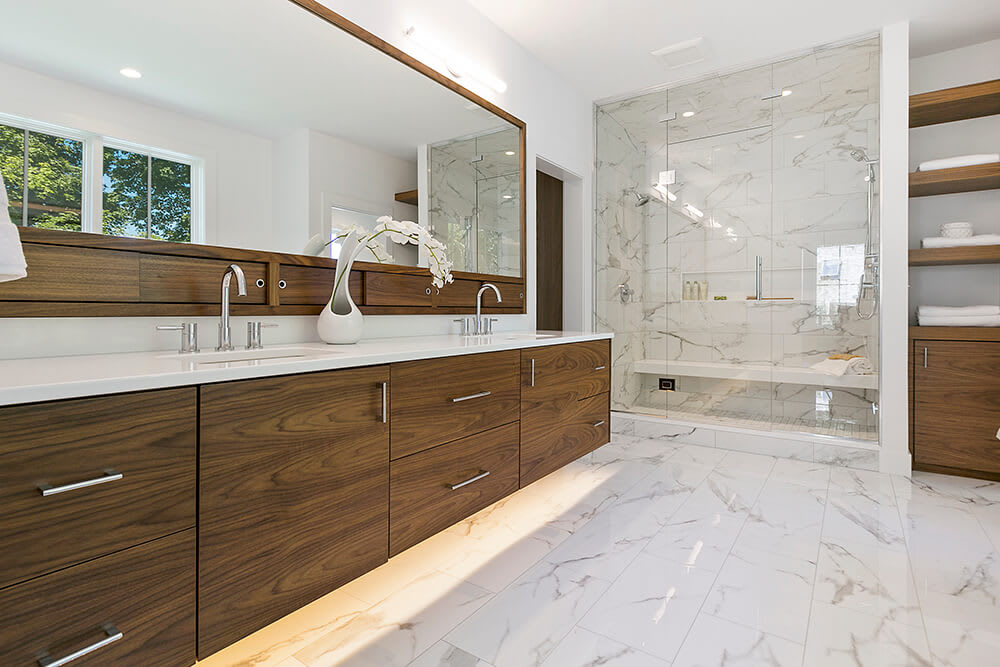
  • Installation Site: Costs vary for different areas. Common project costs are: kitchen floor ($870–$6,100), countertop or backsplash ($500–$3,000), bathroom floor ($300–$2,400), or shower wall ($225–$2,000).

  • Tile Type and Quality: The material significantly impacts price. For example, standard ceramic or travertine tile can cost about $1 per square foot, while luxury options like marble can be as much as $350 per square foot for the material alone.

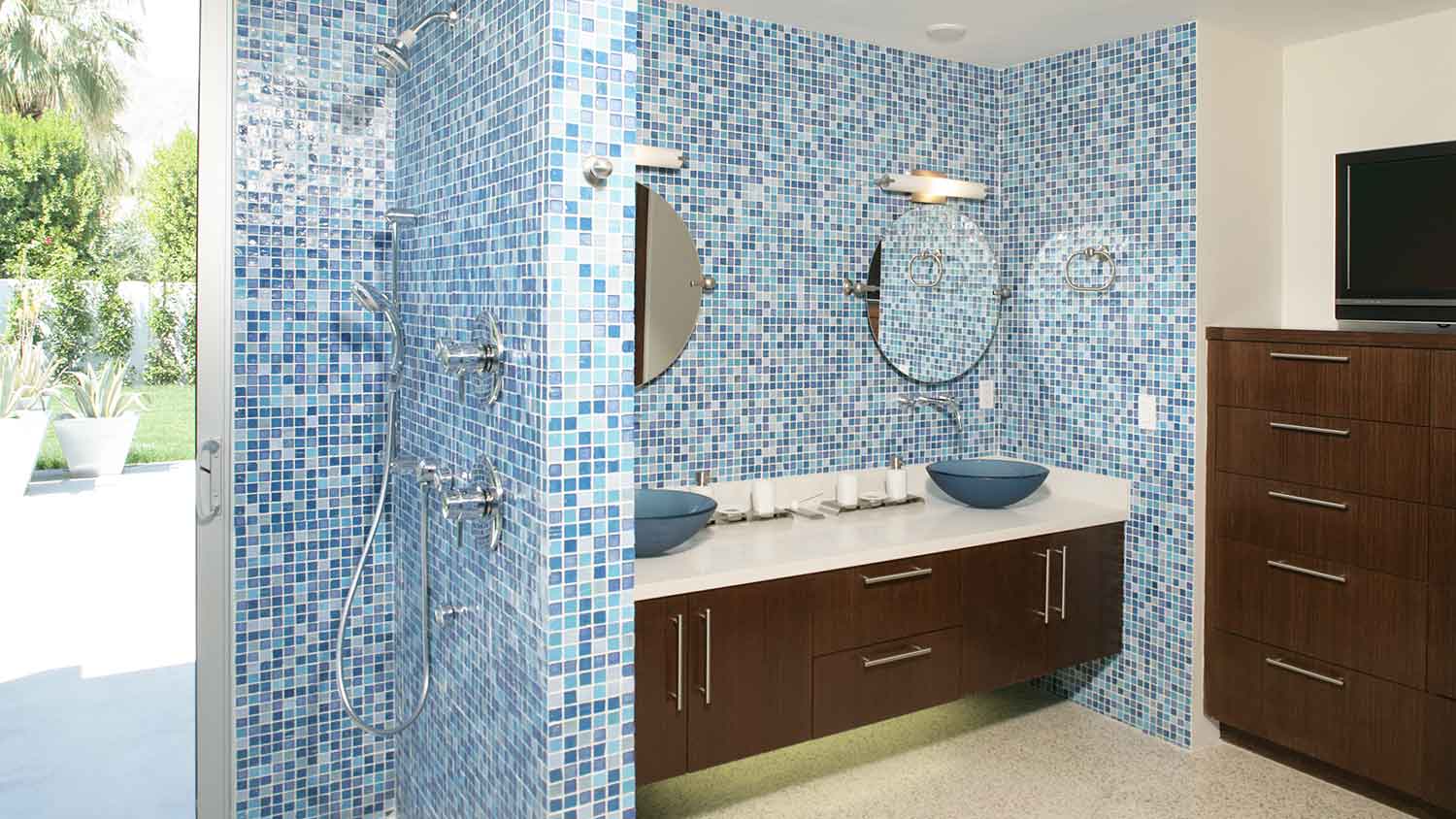
  • Project Size and Complexity: The total square footage, the complexity of the pattern, and the shape of the tile (e.g., square, rectangle, hexagon, mosaic) will affect labor and material costs.

  • Site Preparation: The amount of prep work needed, such as removing old tile or installing a new subfloor or backer board, can add to the final price.

  • Tile Characteristics: The tile's durability rating and porosity can also influence the price.

  • Location: Labor rates vary by geographic location.

Porcelain is a relatively affordable, mid-range countertop material. It typically costs between $50 to $70 per square foot.

Compared to quartz, porcelain is slightly more affordable, as quartz generally ranges from $50 to $200 per square foot. However, lower-quality, builder's grade quartz can be similar in price to porcelain.

Compared to granite, the price can be similar, depending on the quality of the stone. While granite slabs can range from $50 to $200 per square foot, you can find lower-end granite in the same price range as porcelain. High-end granites will cost significantly more.

Porcelain is generally more expensive than laminate, acrylic, and ceramic, but less expensive than high-end slate, concrete, and marble. A key benefit is that porcelain does not require sealing, which reduces long-term maintenance costs.

Like glass tiles, you will not need to seal most porcelain tiles, particularly if the porcelain is already glazed. It depends on quality. Porcelain is very water resistant, but it is not 100% waterproof. To avoid staining, some homeowners use a penetrating sealer. It is also a good idea to seal your grout. Unless you use epoxy grout, grout is very porous and can harbor bacteria, mold, and mildew.

Grout and caulk are commonly used together, especially in bathrooms. Grout goes between the tiles and keeps them sturdy and in place on the walls or floor. Caulk goes in corners or where two different materials meet (like where the bathtub meets the tile) to create a waterproof seal. However, they are not interchangeable—you shouldn't use caulk to adhere tile and shouldn’t use mortar if you need a waterproof seal.

You can technically install tile over tile, but we don’t suggest it. Installing tile over any surface that isn’t a completely flat and prepared subfloor will result in a shoddy overall job, uneven flooring, tiles that don’t adhere, extra weight, gaps, cracks, and room for moisture and dirt to enter. For the best results, only install new tile on a flat, sanded surface like subflooring or concrete that is prepared for tile.

If you have asbestos tile and would rather tile over it than remove it, or if your existing tile is completely flat and bonded tightly to the floor, you may be able to tile over existing tile. But experts recommend thinking twice before you do.

The Iron River, WI homeowners’ guide to ceramic tile services

From average costs to expert advice, get all the answers you need to get your job done.