





Top-rated generator install pros.

Best generator install pros near Forestville, WI

Enter your zip and get matched with up to 5 pros

Need a pro for your generator install project in Forestville, WI?

Select your specific project to find the pro for you.

Top-Rated Generator install pros in Forestville - Updated Nov 2026

Avatar for Wisconsin Generators LLC
Wisconsin Generators LLC
5.0(
10
)
Fixed Generator - InstallGenerator - Install - For Business

Serving Forestville, WI and surrounding areas

Approved

In business since 2023

Free estimates

Emergency services offered

"I cannot say enough great things about Jamie and the team at Wisconsin Generators LLC. From the very first conversation, Jamie was professional, knowledgeable, and incredibly responsive. He took the time to walk me through all my options, answered every question thoroughly, and made sure I felt confident in the decision we were making. The installation process was seamless. The crew showed up on time, worked efficiently, and treated our property with respect. Their attention to detail and commitment to doing the job right was obvious from start to finish. Everything was clean, organized, and completed exactly as promised. What really sets Jamie apart is his integrity and customer-first approach. There was no pressure just honest recommendations and clear communication. If you’re considering a standby generator, I highly recommend Jamie and Wisconsin Generators LLC. Reliable service, expert installation, and true peace of mind. Five stars all The way!!"
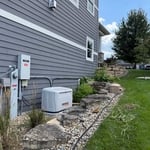
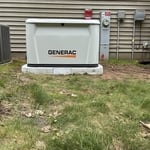
Whole house back up
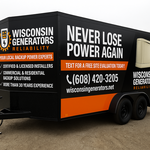
Installation Trailer
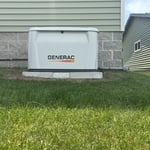
New propane generator
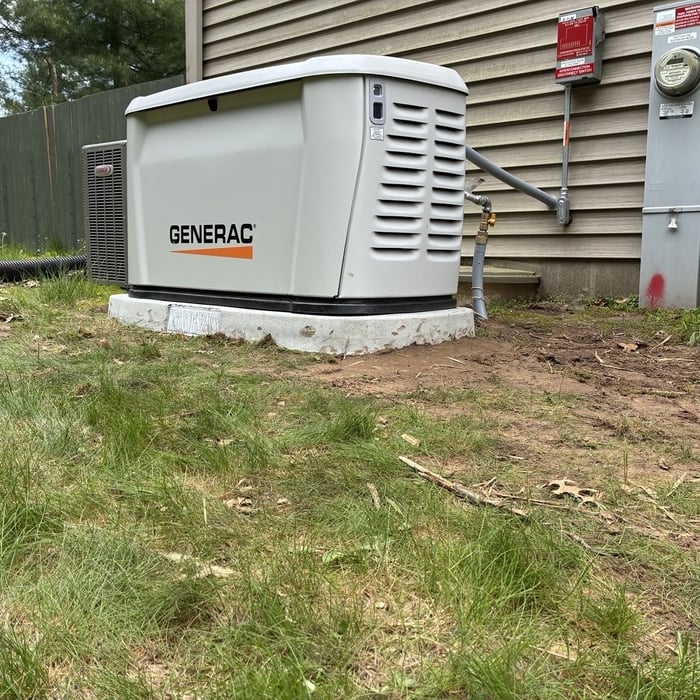
Partial home backup
Partial home backup

+1

25 neighbors recently requested a quote
Avatar for Emerald Electric, LLC
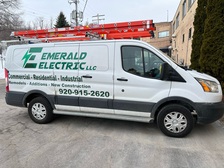
Emerald Electric, LLC
New to Angi
Fixed Generator - RepairPortable Generator - Repair

Serving Forestville, WI and surrounding areas

Approved

In business since 2022

Free estimates

Offers commercial services

Emerald Electric is proud to serve Wisconsin's electrical needs! Owner and operator Sawyer Effertz has over 12 years of experience in the industry. They're excited to take on new clients immediately. Call today for a free estimate on your next project!

Response time9 hrs
Response rate94%
2 neighbors recently requested a quote
Tek Electric
2.3(
3
)
Fixed Generator - InstallFixed Generator - RepairGenerator - Install+4 more

Serving Forestville, WI and surrounding areas

In business since 2002

Free estimates

Emergency services offered

"First, they were recommended to us for the whole house generator by home depot.  We were so happy with the generator that we had him do a bathroom fan at my house and a bathroom fan at my son's house.  I did some checking and that was a reasonable price.  With the work he did, it was more than reasonable.  The job was a little more involved than he thought it would be and he didn't have any problem with any of it.  Without anything to judge the pricing from, other than online and a couple of guys I had come over who weren't on the same page as me, I'd say excellent.  The quality was top of the line.  As soon as he got the generator, he got over here to put it in. As a matter of fact, I am thinking about calling him again for something."
Recommended by50%of homeowners
Generator Install FAQs, answered by experts

Generally, you’ll want to keep between 60 and 70 feet between the generator and the transfer switch. There are a few reasons for this, including:

  • The distance reduces the noise coming from the generator into your home.

  • It increases efficiency because you won’t have a voltage drop from this short of a distance.

  • Prevents carbon monoxide poisoning: keep at least 15 feet between your generator and an open window. 

To determine the right size generator for your house, you should calculate the total wattage of the appliances and devices you want to power during an outage. List all essential items, note their start-up wattages, and add them together.

Here are some typical wattage requirements for common appliances:

  • Refrigerator: 600 watts

  • Large dehumidifier: 700 watts

  • Large window air conditioner: 1,400 watts

  • Water heater: 3,000 to 4,500 watts

  • Electric furnace: 5,000 to 25,000 watts

A 7,500-watt generator might be sufficient for essentials like a refrigerator, freezer, well pump, and lighting circuits. However, for high-demand items like a water heater or furnace, a whole-home generator is a better choice. A portable generator may be enough if you only need to power a few critical items.

While home square footage can offer a rough estimate, it is not always a reliable indicator. For reference, here are some typical generator sizes based on square footage:

  • 1,000 sq ft: 6–9 kW

  • 1,500 sq ft: 7–10 kW

  • 2,000 sq ft: 10–14 kW

  • 2,500 sq ft: 12–16 kW

  • 3,000 sq ft: 16–20 kW+

For the most accurate sizing, consult a professional who can calculate your home's peak and average power consumption and recommend the optimal generator.

A 10,000-watt generator can run a small to mid-sized central AC unit (typically up to 3 tons or 36,000 BTU) along with a few other appliances. However, larger AC units or additional loads will require a bigger generator. Consult a local generator installer to ensure you add the correct size generator to your home.

If you’re wondering whether gas generators produce carbon monoxide, know that natural gas generators do not produce carbon monoxide if they are functioning properly, as natural gas burns cleanly. However, if the generator malfunctions and the gas does not burn completely, there is potential for carbon dioxide to be produced. To prevent malfunctions, it's crucial to perform regular maintenance, including running the generator weekly and scheduling professional inspections every 6 to 12 months. Also, be sure to test your carbon monoxide detectors regularly to ensure they function in the rare case of the generator producing carbon monoxide.

Sizing a generator is a careful process that requires calculating the electrical load of your entire house. You have to take into account every device you want to use and their wattage requirements, plus the wattage needed to start them, and look for a generator that can safely run all that at around 80% capacity.

In more practical terms, a small home can run on a 10,000-watt generator (and if you only want to power a few key appliances, much less than that). A mid-sized home may need something between 15,000 and 22,000 watts. Larger homes require 25,000 watts or more. 

The Forestville, WI homeowners’ guide to generator installs

From average costs to expert advice, get all the answers you need to get your job done.