



Top-rated generator install pros.

Best generator install pros near Ferryville, WI

Enter your zip and get matched with up to 5 pros

Need a pro for your generator install project in Ferryville, WI?

Select your specific project to find the pro for you.

Top-Rated Generator install pros in Ferryville - Updated Nov 2026

Tek Electric
2.3(
3
)
Fixed Generator - InstallFixed Generator - RepairGenerator - Install+4 more

Serving Ferryville, WI and surrounding areas

In business since 2002

Free estimates

Emergency services offered

"First, they were recommended to us for the whole house generator by home depot.  We were so happy with the generator that we had him do a bathroom fan at my house and a bathroom fan at my son's house.  I did some checking and that was a reasonable price.  With the work he did, it was more than reasonable.  The job was a little more involved than he thought it would be and he didn't have any problem with any of it.  Without anything to judge the pricing from, other than online and a couple of guys I had come over who weren't on the same page as me, I'd say excellent.  The quality was top of the line.  As soon as he got the generator, he got over here to put it in. As a matter of fact, I am thinking about calling him again for something."
Recommended by50%of homeowners
Generator Install FAQs, answered by experts

The average cost to install a home generator is $5,200, but total costs can range from $500 to $18,000 or more. The final price depends on several factors, including the generator's size, type, brand, fuel source, and the cost of labor and assembly. The generator's size is the most significant cost factor, as units that can power larger homes with higher energy demands cost more.

Cost breakdowns by generator type are typically as follows:

  • Portable or Emergency Backup Generators (1kW–7.5kW): $500–$2,000

  • Partial-Home Generators (9kW–20kW): $2,000–$6,500

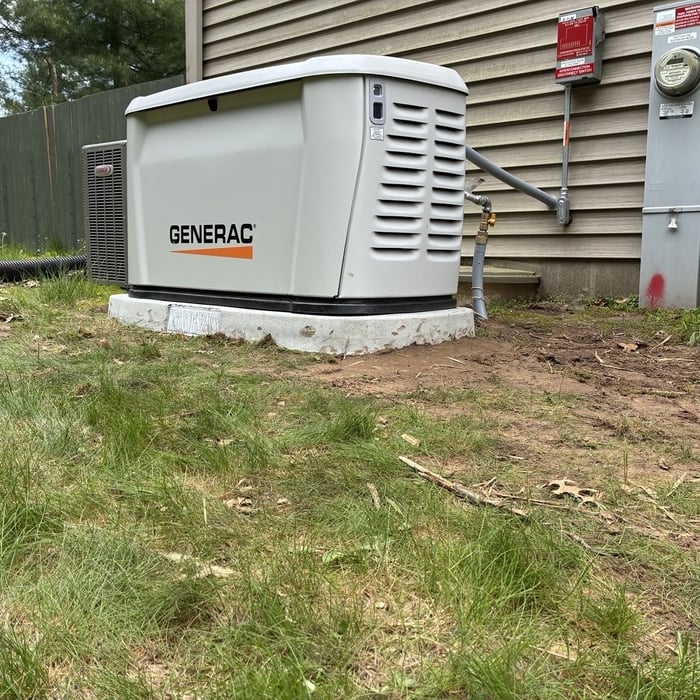
  • Whole-House Generators (22kW–48kW): $5,000–$18,000

To ensure you get the right size unit for your needs without overpaying, consider hiring an electrician to calculate the electrical load of your essential appliances. It is also recommended to get at least three quotes from qualified installers to find the best fit for your budget.

In most cases, there are no tax credits available for home generators. However, that’s a general statement that applies to federal tax credits, so you might have access to state or local tax incentives. You can check the Database of State Incentives for Renewables & Efficiency (DSIRE) for more information about your area. If you hire a reliable home generator installer, they should also know if there are any state or local perks you can use to reduce your installation costs, including tax breaks and rebates.

As a safety measure, you should always turn off the main breaker while operating your generator’s backup breaker. In addition, you should also switch off all appliance breakers so you don't have a power surge when the main breaker turns back on. And finally, turning off the main breaker prevents back-feeding, which endangers utility workers with the risk of electrocution. Back-feeding could also destroy the electrical circuits of your neighbors if they use the same power network.

If you’re wondering whether gas generators produce carbon monoxide, know that natural gas generators do not produce carbon monoxide if they are functioning properly, as natural gas burns cleanly. However, if the generator malfunctions and the gas does not burn completely, there is potential for carbon dioxide to be produced. To prevent malfunctions, it's crucial to perform regular maintenance, including running the generator weekly and scheduling professional inspections every 6 to 12 months. Also, be sure to test your carbon monoxide detectors regularly to ensure they function in the rare case of the generator producing carbon monoxide.

Yes, installing a generator usually increases your property value because buyers are getting the added peace of mind knowing they’ll be able to maintain power through blackouts. In most cases, you should see close to a 100% return on investment (ROI). Keep in mind that home generators usually need a permanent foundation, and installing a concrete slab will likely raise your property taxes slightly.

The Ferryville, WI homeowners’ guide to generator installs

From average costs to expert advice, get all the answers you need to get your job done.