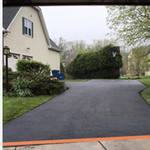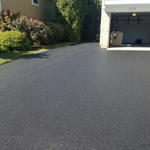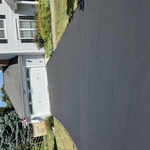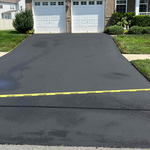







Top-rated driveway sealcoating pros.

Best driveway sealcoating pros near Delafield, WI

Enter your zip and get matched with up to 5 pros

Need a pro for your driveway sealcoating project in Delafield, WI?

Select your specific project to find the pro for you.

TRUSTED BY DELAFIELD, WI HOMEOWNERS

  • Average homeowner rating star icon4.3
    Average homeowner rating
  • Verified reviews icon230
    Verified driveway sealcoating reviews

Top-Rated Driveway sealcoating pros in Delafield - Updated Nov 2026

Showing 1-10 of 27
Driveway Sealcoating FAQs, answered by experts

Chip seal lasts only 5 to 8 years on average. This lifespan is significantly shorter than asphalt. It is also less durable. Therefore, chip seal driveway only works if the traffic volume is extremely low. Chip seal is also less resistant to storms and hails. As impact builds up, the chips may become misplaced, creating an uneven driving surface that sometimes becomes hazardous and may damage your tires or cause your vehicle to lose balance.

Oil can permanently stain a concrete driveway if it fully dries or sits for weeks without cleaning. Concrete is porous and absorbs the oil deeper over time. That’s why it’s best to remove an oil stain when it’s wet by applying an absorbent material, sweeping the area, applying dish soap, scrubbing, and then rinsing.

It is not recommended to seal brand-new or uncured asphalt immediately after installation. You should wait at least three months to allow the asphalt time to cure. Applying a seal coat too soon can trap the asphalt's oils and chemicals, preventing it from fully hardening. This can lead to a weaker surface that is more vulnerable to damage. After the initial three-month curing period, applying a seal coat can extend the asphalt's life by protecting it from water, UV rays, and other damaging elements.

Yes, with colored finishes and decorative stamping for a personalized touch.

Though they may look similar, tar and bitumen come from different sources. Bitumen is a petroleum product—extracted during crude oil refining—and is mostly made up of hydrocarbons. Tar comes from burning down organic materials like coal or wood. Bitumen is strictly oil-based, while tar is a mix of compounds from natural sources. Both are used as binders in paving; however, bitumen is the standard for today’s asphalt. Tar use has mostly faded out of road construction.

The Delafield, WI homeowners’ guide to driveway sealcoating

From average costs to expert advice, get all the answers you need to get your job done.