


Top-rated aquarium service pros.

Get matched with top aquarium service pros in Custer, WI

Enter your zip and get matched with up to 5 pros

Need a pro for your aquarium service project in Custer, WI?

Select your specific project to find the pro for you.

TRUSTED BY CUSTER, WI HOMEOWNERS

  • Average homeowner rating star icon4.2
    Average homeowner rating
  • Verified reviews icon58
    Verified aquarium services reviews

Find Aquarium service pros in Custer

Avatar for BB's Aquatic Service, LLC
BB's Aquatic Service, LLC
4.6(
21
)
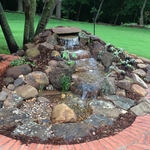
Water Feature - Install a Pond

Serving Custer, WI and surrounding areas

Approved

In business since 2004

Free estimates

Emergency services offered

"Have not ever cleaned out our small pond for over 10 years. Mud and leaves on the bottom plus weeds growing! They drained the water, and power washed the pond out several times, drained again. Then refilled and crystal clean now. Made sure or pumps were connected and working right. Very pleased."
Pondless
Fountain
pond
reef install
Pond

+1

Response time2 days
Response rate92%
21 neighbors recently requested a quote

Avatar for Addis Excavating & Grading LLC
Addis Excavating & Grading LLC
5.0(
3
)
Water Feature - Install a Pond

Serving Custer, WI and surrounding areas

In business since 2023

Free estimates

Offers commercial services

"Devon was very professional, personable, and friendly. He did exactly what I needed done and went above and beyond for me. I will be using his services in the near future for bigger projects."
Response time20 mins
Recommended by100%of homeowners
Aquarium Services questions, answered by experts

The best times of year to empty or pump a septic tank are spring and fall. Many professionals recommend spring because the ground has thawed, making the tank easier to access and the waste less likely to be frozen. Pumping before summer also helps avoid conflicts with vacations or outdoor gatherings. Fall is another great option, as contractors may be less busy, and servicing the tank can reduce the risk of overflow from winter and spring precipitation. While summer is also a suitable time, winter is generally not recommended due to frozen ground.

The best times of year to pump or empty a septic tank are spring and fall. Many professionals recommend spring because the ground has thawed, making the tank easier to access, and any snowmelt or rainfall can aid in proper drainage. Pumping before summer is also ideal to avoid conflicts with vacations or outdoor gatherings.

Fall is another great option, as contractors may be less busy than in the spring. Servicing the tank in late fall or early spring can also reduce the risk of overflow from extra precipitation during winter and spring.

While summer is a possibility, winter is generally not recommended. The ground is often frozen, which can make it difficult to access the tank, and the waste inside may also be frozen.

A septic system can fail for various reasons, and most commonly, excessive water use or sudden surges in wastewater can overwhelm the system's capacity. Neglecting regular maintenance, like tank pumping and inspections, can also lead to clogs, leaks, and eventual breakdowns. Other issues that lead to failure include age-related wear and tear, root infiltration, improper disposal of non-biodegradable materials or chemicals into the system, unsuitable soil conditions, physical damage, and even environmental factors like flooding or soil erosion.

To prevent septic tank problems, save on repair costs, and keep your home running smoothly, it's essential to perform regular maintenance. Have your septic system inspected by a professional every one to three years, or annually if possible, to spot potential issues before they develop. You should also have your tank pumped every three to five years, or more frequently if recommended by a professional based on your household's usage. Additionally, be mindful of what goes into your system. Avoid flushing items like paper towels, wet wipes, and feminine hygiene products. Do not dispose of other inappropriate substances, and try to avoid excessive water usage at a single time.

Whether or not it’s hard to pass a perc test depends a lot on the composition of your soil. When a perc test is conducted where there’s a high concentration of sand in the soil, perc tests almost always pass. However, if your ground is dense clay or rock, it may prove difficult to pass a perc test. A low water table also helps you pass the test, as a high table means your yard isn’t draining water as efficiently.

The Custer, WI homeowners’ guide to aquarium services

From average costs to expert advice, get all the answers you need to get your job done.