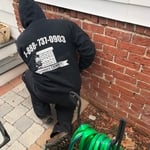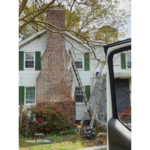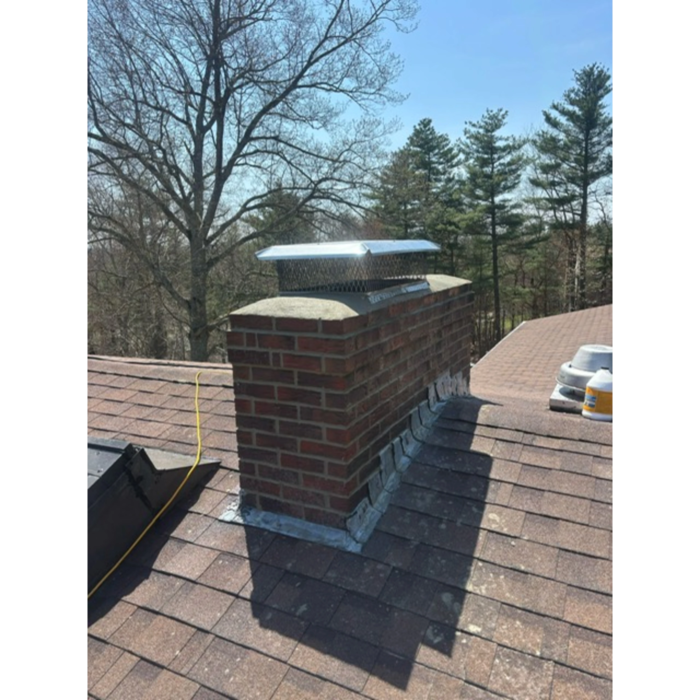





Top-rated fireplace cleaning pros.

Get matched with top fireplace cleaning pros in Cable, WI

Enter your zip and get matched with up to 5 pros

Need a pro for your fireplace cleaning project in Cable, WI?

Select your specific project to find the pro for you.

Find Fireplace cleaning pros in Cable

Avatar for Shamrock Maintenance, Corp.
Shamrock Maintenance, Corp.
4.8(
5
)
Chimney or Fireplace - Clean and Inspect - For BusinessClean and Inspect a wood fireplace chimney

Serving Cable, WI and surrounding areas

Approved

In business since 1985

Free estimates

Emergency services offered

Shamrock Maintenance Corp is a professional chimney service company dedicated to helping homeowners maintain safe, efficient, and well-functioning chimneys. We specialize in chimney inspections, cleanings, repairs, and preventative maintenance, with a strong focus on fire safety and long-term home protection.\n\nOur team is known for providing honest recommendations, clear documentation, and straightforward communication so homeowners can make informed decisions without pressure. We work with both modern and older homes, including historic properties, using appropriate methods to protect the structure and integrity of each home.\n\nWe proudly serve our local communities by prioritizing safety, quality workmanship, and reliable service. At Shamrock Maintenance Corp, every home is treated with care, professionalism, and respect.
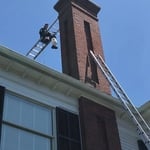
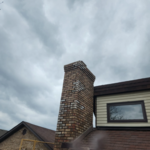
Chimney Project
Chimney Project
Chimney Project
Chimney Project
Chimney Project

+10

Fireplace Cleaners questions, answered by experts

Yes, you can limewash surfaces other than brick. Plaster, stone, stucco, and concrete can all also be limewashed. Any porous surface that will absorb the wash is a good candidate for limewash, although it won’t help much with waterproofing. If you choose to limewash over paint, you’ll need to prep before applying it to avoid a powdery, chalky finish. Shiny surfaces like metal or glass can’t absorb limewash, so it’s not suited for these.

You should use an angled brush to first paint the mortar lines, then go in with a high-density roller to evenly paint the bricks one at a time. You can also use a flat paintbrush to paint individual bricks, but a roller is faster and easier to use thanks to its longer handle and wider surface area for coating the bricks. To finish, go in with the paint brush for edges or hard-to-reach areas.

Limewash and whitewash are two techniques used to give brick a light, matte finish, but they differ in composition, application, and permanence. The best choice depends on your aesthetic goals and the specific surface.

Composition

  • Limewash: A natural and environmentally friendly option made from limestone, water, and sometimes pigments. It is breathable and soaks into porous surfaces like brick.

  • Whitewash: Traditionally made from lime, water, chalk, and binders, but a similar look can be achieved with watered-down white paint. It is paint-based and sits on top of the surface.

Appearance and Finish

  • Limewash: Provides a natural, textured appearance that allows the brick's character to show through. It offers a more traditional finish.

  • Whitewash: Creates a softer, more opaque finish, often used for a rustic or shabby-chic style.

Application and Permanence

  • Limewash: Is semi-permanent and can be removed, making it a good choice if you might want to change the look in the future. It requires more skill to apply and cannot be used on previously painted brick.

  • Whitewash: Is a more permanent solution. It is more forgiving to apply and can be used on painted brick. However, because it sits on the surface, it can trap moisture.

Ultimately, if you want a breathable, natural, and reversible finish for unpainted brick, limewash is a great option. If you need a more permanent, opaque coating that can be applied over painted surfaces, whitewash is the better choice. Whitewashing may also be more economical, costing approximately $1.40 to $4.20 per square foot.

Cracked panels, worn-out seals, faulty dampers, and firebrick damage often need professional attention.

Knowing who to hire to install your fireplace is important when it comes to having a safe place to burn a fire in your home. The best person to contact for installing fireplaces is a mason or general contractor who has a National Fireplace Institute (NFI) specialist certification. If you’re installing wood paneling, then it’s a good idea to also find a pro who is Wood Energy Technology Transfer (WETT)-certified. 

Both of these certifications show that your pro is well-equipped to install fireplaces and inspect your home for the utmost safety.

The Cable, WI homeowners’ guide to fireplace cleaning services

From average costs to expert advice, get all the answers you need to get your job done.