

Top-rated snow removal pros.

Best snow removal pros near Brodhead, WI

Enter your zip and get matched with up to 5 pros

Need a pro for your snow removal project in Brodhead, WI?

Select your specific project to find the pro for you.

Top-Rated Snow removal pros in Brodhead - Updated Nov 2026

Avatar for Wolves LawnCare & Landscaping
Wolves LawnCare & Landscaping
4.8(
4
)
Snow RemovalSnow Removal- For Business

Serving Brodhead, WI and surrounding areas

In business since 2020

Free estimates

Credit card accepted

At Wolves LawnCare & Landscaping, we take great pride in our experience, expertise, quality and customer service that we provide to meet the consumer's needs. It is our mission to provide excellent workmanship and complete customer satisfaction from start to completion of a project. In order to understand the needs and expectations of our customers, we take great care to work and communicate with every customer in a professional manner. Our reputation is based on service, safety and quality, regardless of how large or small the job.
back
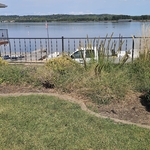
very back of property
also side yard
side yard
front

+2

Response time20 mins
Response rate100%
Recommended by100%of homeowners
Showing 1-10 of 38
Snow Removal FAQs, answered by experts

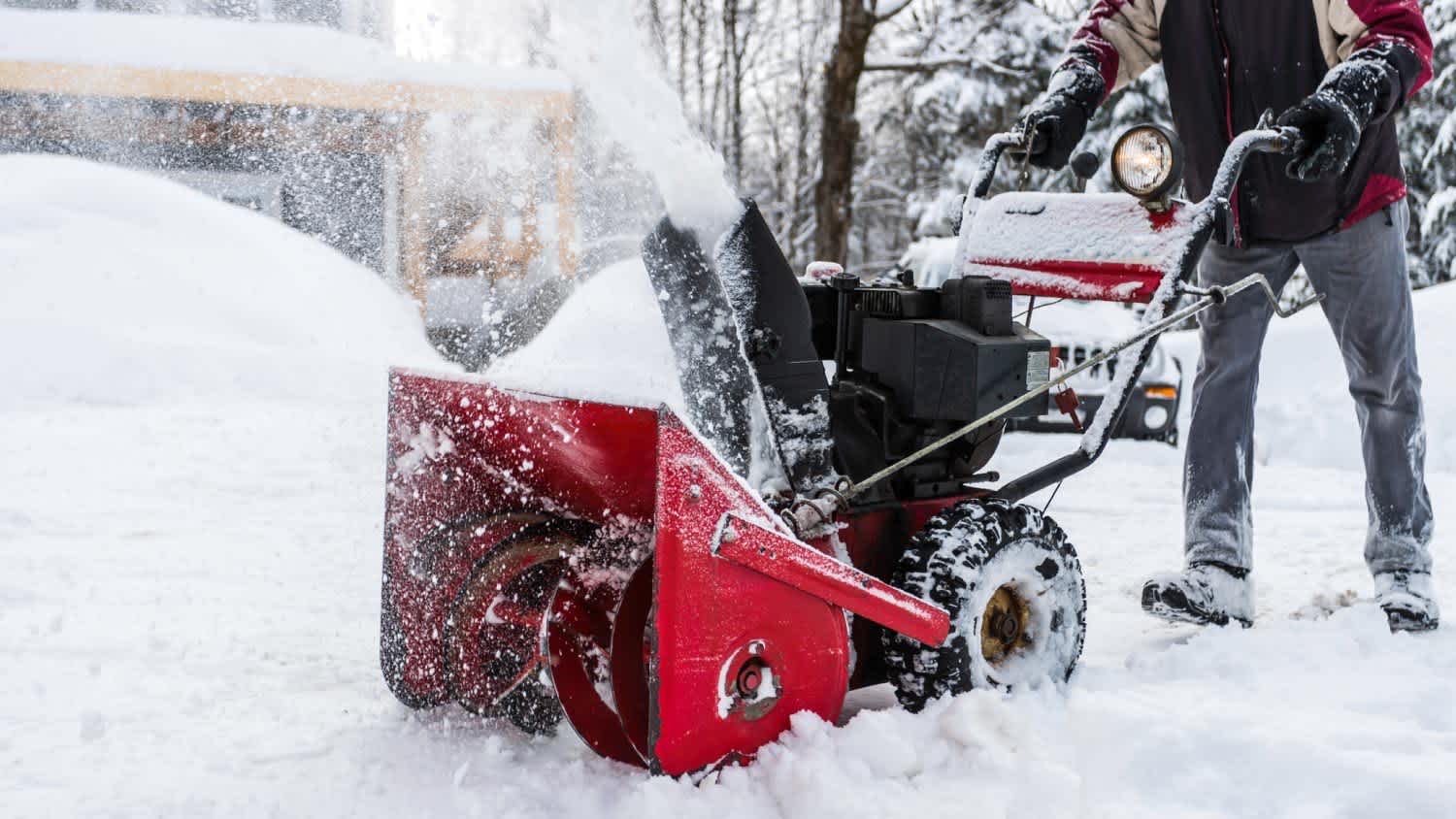
Before firing up your snowblower, ensure that essential switches are in the correct starting position. Take a moment to double-check the throttle, fuel shut-off, and choke, ensuring they're firmly set to the "on" position. Precision in verifying each switch's alignment is crucial, so don't rush through this critical step.

In most cases, it is best to leave icicles on your roof and allow them to melt naturally. You should only consider removing them if they are heavy enough to cause damage to your home or pose a risk to people below. Since removing icicles can be dangerous, it is recommended to hire a professional for the job if you have immediate concerns. To prevent the issue from recurring, you should address the underlying cause, such as improving your home's insulation or installing roof heating coils.

Snowblowers come in three different sizes: first-, second-, and third-stage blowers. Each additional stage is larger with higher intakes, more powerful, and has more gear options.

A first-stage blower, also called a snow thrower, is usually best for snow 6 to 8 inches or below. Electric snow blowers are usually only available in this size. If you regularly get snow that’s well above six inches, consider a second-stage snow blower. If snowstorms dump 2 to 3 feet of snow repeatedly during winter, you need a third-stage snow blower to tackle it.

When starting the engine, you typically leave the choke on a snowblower in the "choke" or "closed" position. After starting, let the engine run for a few minutes to warm up. Then, gradually open the choke, moving it to the "open" or "run" position, allowing more air into the engine and transitioning to a normal fuel-air mixture. The exact duration varies based on the snowblower model and ambient temperature, but as a general rule, you should open the choke once the engine has stabilized and runs smoothly, typically within a few minutes.

Both rock salt and ice melt are naturally occurring salts. Rock salt is sodium chloride, which is the same as table salt. Ice melt products can be made from a combination of salts like magnesium chloride and calcium chloride or can be those salts alone.

Rock salt comes in large crystals, so it helps provide traction on icy surfaces, whereas ice melt products need to be mixed with sand to provide traction. Ice melt products work at lower temperatures than rock salt, so they might be a better choice if you have a harsh winter climate.

The Brodhead, WI homeowners’ guide to snow removal services

From average costs to expert advice, get all the answers you need to get your job done.