




Top-rated tree service pros.

Get matched with top tree service pros in Blue Mounds, WI

Enter your zip and get matched with up to 5 pros

Need a pro for your tree service project in Blue Mounds, WI?

Select your specific project to find the pro for you.

TRUSTED BY BLUE MOUNDS, WI HOMEOWNERS

  • Average homeowner rating star icon4.7
    Average homeowner rating
  • Verified reviews icon149
    Verified tree services reviews

Find Tree service pros in Blue Mounds

Zach Keister Stump Removal
5.0(
1
)
Tree RemovalTree Removal - For BusinessTree Stump - Remove+3 more

Serving Blue Mounds, WI and surrounding areas

Approved

In business since 2024

Free estimates

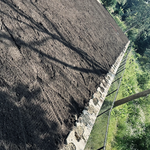
We are an upstart, locally-owned and operated, small business that specializes in tree stump removal, brush cleanup, downed-tree cleanup. We can also help by trimming and felling small trees. \n\nWhether it's storm damage you need cleaned up or you're just looking to create more space, we'll have your yard cleaned up and back on track to look good as new in no time.

2 neighbors recently requested a quote
Recommended by100%of homeowners
Avatar for Schwake Stump and Storm Removal
Schwake Stump and Storm Removal
5.0(
1
)
Tree RemovalTree Stump - RemoveTree Trimming

Serving Blue Mounds, WI and surrounding areas

Approved

Free estimates

Emergency services offered

Small jobs welcome

"Cory and his crew called back, came by and cleaned up 2 medium sized stumps 21” and 17” diameter. Both stumps were sticking up like giant sore thumbs. Now my yard has nice flat spots and ready for grass seed . He’s very communicative and professional, and oh so reasonably priced. I’m keeping his business card bc when I need him next, Schwake will be the first one I call. I highly recommend him for yard cleanup, tree care, and storm damage removal."
4 neighbors recently requested a quote
Bear Point LLC
New to Angi
Tree RemovalTree Stump - RemoveTree Trimming+1 more

Serving Blue Mounds, WI and surrounding areas

Approved

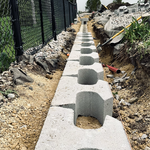
\nBear Point LLC specializes in land clearing, forestry mulching, brush removal, excavation, grading, and site preparation throughout Wisconsin. We take pride in providing reliable service, honest communication, and quality workmanship on every project. Whether you’re preparing a homesite, clearing trails, reclaiming overgrown property, or improving your land, we’re committed to delivering efficient, cost-effective solutions with a focus on safety and customer satisfaction.

...
Showing 1-10 of 61
Tree Service questions, answered by experts

If a tree isn’t pruned, it can inhibit proper growth and fruit production, cause damage to both the tree and your property, and create entry points for pests and diseases. Pruning a tree enhances its stability, appearance, shape, and growth. Pruning trees regularly can also save you money long-term by avoiding overgrown or dangerous dying trees.

Finding a reliable arborist starts with researching specialists in your area and checking their licensing and certifications. Use online resources like the Better Business Bureau (BBB) to conduct research on each company. Next, contact the arborist and ask the following questions to see whether they are the right fit for your project:

  • Do you handle or specialize in dealing with the issue I’m having?

  • Are you fully insured?

  • Do you have customer references I can call?

  • Do you have any third-party certifications?

  • What equipment and strategies do you plan to use?

It depends on where you live—but in most areas, leaves begin falling in September and continue falling until January or February. Warmer regions, such as Southern states, may see leaves fall a bit later in the calendar year. It also depends on the type of trees in your yard and their maturity. 

The best time to transplant a tree is when it is dormant. For many trees, this means either in the fall after the leaves have dropped (around October or November) or in early spring before new growth begins (around March). The ideal timing can depend on the type of tree. Deciduous trees do well when moved in early spring or fall, while evergreens are best transplanted in early spring or late summer. For example, pine trees are best moved in early fall, but maples prefer late fall. Avoid transplanting in winter, as the frozen or hard, cold soil poses a significant risk to the roots and prevents the tree from acclimating properly.

The best way to protect tree roots is to avoid the roots entirely by excavating outside the root radius of the tree. For nearby projects, it’s a good idea to construct a temporary retaining wall. But that’s not always possible, depending on the project and the root system. In these cases, consider using alternative equipment like an auger to tunnel under the ground.

Remember, tree roots can damage nearby cement foundations as they grow. If a tree is close enough to interfere with large excavations, it may be better to remove the tree than risk future problems.

The Blue Mounds, WI homeowners’ guide to tree services

From average costs to expert advice, get all the answers you need to get your job done.