





Top-rated fire pit installation pros.

Get matched with top fire pit installation pros in Walla Walla, WA

Enter your zip and get matched with up to 5 pros

Need a pro for your fire pit installation project in Walla Walla, WA?

Select your specific project to find the pro for you.

TRUSTED BY WALLA WALLA, WA HOMEOWNERS

  • Average homeowner rating star icon4
    Average homeowner rating
  • Verified reviews icon36
    Verified fire pit installation services reviews

Find Fire pit installation pros in Walla Walla

No results for Fire pit installation pro in

Try adjusting your search criteria.
Fire Pit Installation questions, answered by experts

Absolutely! Smoke alarms are lifesavers. According to the National Fire Protection Association (NFPA), per 1,000 reported home fires, homes without working smoke alarms have a death rate nearly twice as high as those that do have working alarms. So remember to ensure you have enough installed in your home and that they are working and in good shape.

Safety concerns with propane boilers include proper venting to prevent carbon monoxide buildup, secure gas line connections, and regular inspection of safety controls. Professional boiler installation and annual maintenance are essential to minimize risks. Having a carbon monoxide detector installed in your home is essential for early detection of any leaks or ventilation issues.

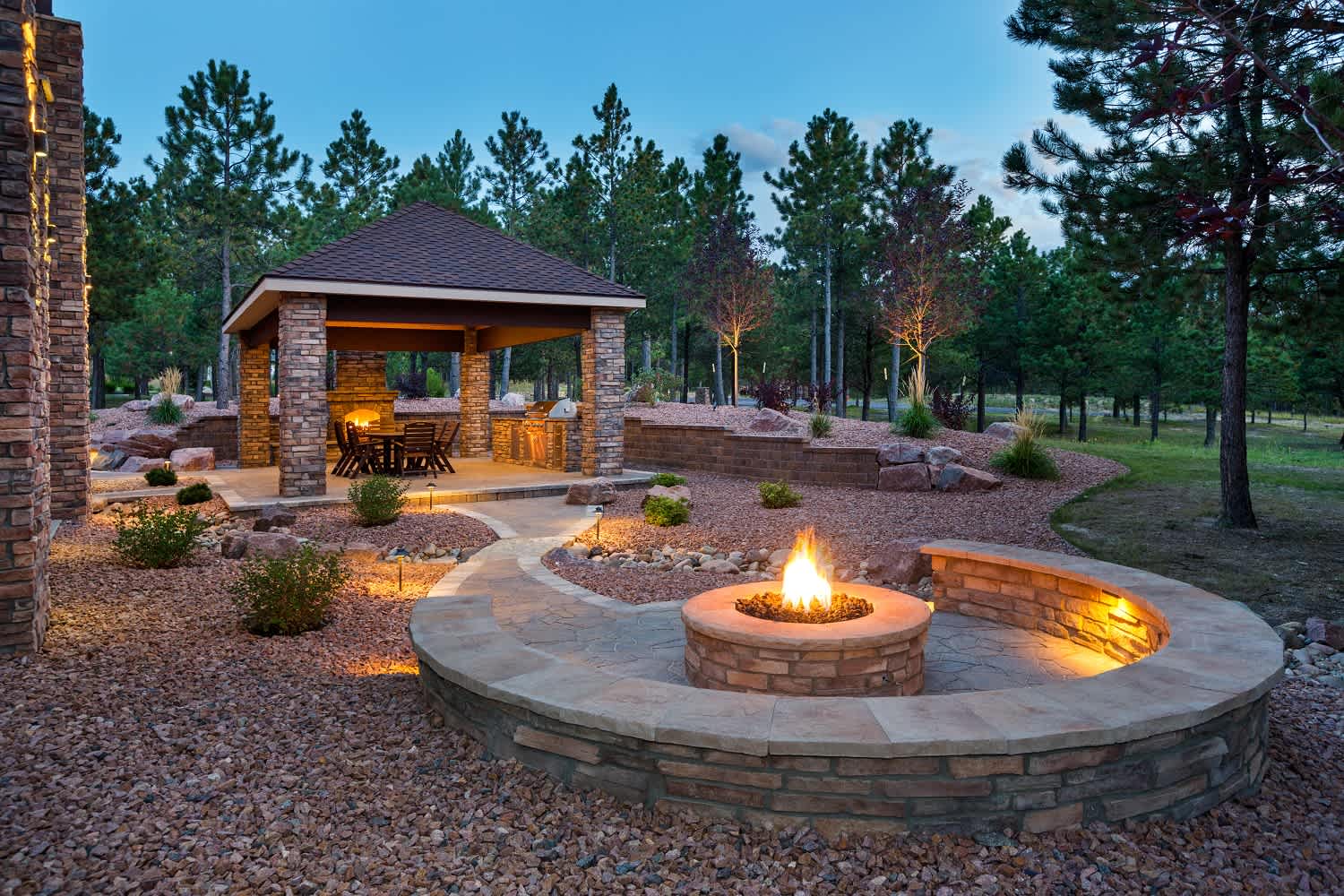
You can safely build a fire pit on your patio as long as you use porous, fire-resistant pavers or a fire pit mat over existing pavers. Otherwise, you’ll need to have exposed ground beneath your pit. You’ll also need to make sure the location for the fire pit is far enough away from your house and any other nearby structures.

Chimneys should either be sealed or waterproofed, which is different from sealing off—closing at both ends—a chimney. Waterproofing and sealing are both crucial steps to take to prevent water damage and the chimney leaking inside the house. While waterproofing is more comprehensive, both help safeguard your chimney, extending its life span and preventing expensive repairs. 

Generally, an oil furnace is considered safer than a gas furnace for several reasons. While both types of furnaces can produce carbon monoxide, a leak in an oil furnace is easier to detect due to the smell. Oil furnaces also don't connect to a gas pipeline, which reduces the chance of a fuel leak. Most importantly, heating oil is not combustible, whereas natural gas is highly flammable. This means there is a much lower risk of combustion or explosion with an oil furnace. However, an oil furnace can still pose a fire hazard if it tips over.

The Walla Walla, WA homeowners’ guide to fire pit installation services

From average costs to expert advice, get all the answers you need to get your job done.