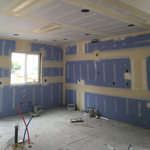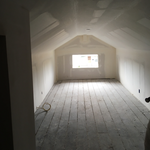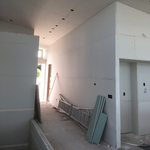


Top-rated drywall pros.

Get matched with top drywall pros in Longbranch, WA

Enter your zip and get matched with up to 5 pros

Need a pro for your drywall service project in Longbranch, WA?

Select your specific project to find the pro for you.

TRUSTED BY LONGBRANCH, WA HOMEOWNERS

  • Average homeowner rating star icon4.5
    Average homeowner rating
  • Verified reviews icon133
    Verified drywall services reviews

Find Drywall pros in Longbranch

Avatar for Barbers Drywall Inc
Barbers Drywall Inc
5.0(
10
)
Drywall - RepairDrywall - Install

Serving Longbranch, WA and surrounding areas

Approved

In business since 1984

Free estimates

Credit card accepted

"We couldn’t be happier with the drywall repair after a major water leak in our home. The workmanship was outstanding—the repairs blended seamlessly with the existing walls, Sean and the crew were professional, punctual, and left everything spotless. I highly recommend Barbers Drywall to anyone looking for top-quality drywall work and exceptional service!"
Home remodel
4 neighbors recently requested a quote
Recommended by77%of homeowners
Mohn Drywall & Interiors
5.0(
13
)
Drywall - InstallDrywall - Repair

Serving Longbranch, WA and surrounding areas

In business since 2020

Free estimates

Credit card accepted

"Extremely happy with the work of Mike and his team. We have hired Mohn drywall & interiors for a few drywall projects over the years, from a new construction project to drywall repair(s). Each time we’re greeted with big smiles, fair prices, and a professional and positive experience. Highly recommend!"
My jobs
My jobs
My jobs
My jobs
My jobs

+3

Response time2 hrs
...
Showing 1-10 of 171
Drywall questions, answered by experts

The two most common drywall thicknesses for ceilings are 1/2-inch and 5/8-inch. For most standard residential applications, 1/2-inch drywall is sufficient and widely used. It provides adequate support and is lighter and easier to handle during installation compared to thicker sheets. However, 5/8-inch drywall is often used for specific cases where additional benefits are needed. It is heavier but provides superior sound dampening and fire resistance. You should consider using 5/8-inch drywall for ceilings in commercial buildings, between a garage and a living space, or above a finished basement to meet building codes or for enhanced soundproofing.

Both plaster and drywall are durable wall finishes, but they differ significantly in installation, cost, performance, and aesthetics.

Installation & Cost: Drywall installation is faster and more affordable, typically costing $1.50 to $3 per square foot. It uses premade sheets, making it a more accessible DIY project. Plastering is a labor-intensive craft that requires specialized skills, pushing costs to $2 to $10 per square foot. It involves applying a wet paste over a lath framework.

Durability & Performance: Plaster is generally more durable, longer-lasting, and provides superior soundproofing. It is also a better insulator, which can help reduce energy costs. Drywall is easier to remove for future renovations.

Aesthetics: Drywall provides a smooth, uniform surface ready for paint or texture. Plaster offers a high-end, naturally textured look that can hide imperfections and is often preferred for achieving a classic or historic aesthetic.

Which is better? The choice depends on your priorities. Drywall is ideal for those prioritizing a lower upfront cost, faster installation, and DIY potential. Plaster is the better option for a higher-end project where durability, soundproofing, and a unique, premium finish are more important than the initial cost.

There are several things you should not do when installing drywall. Common mistakes include: adding too many screws, over-sanding, not adding backing support, and installing drywall unevenly. You also should avoid screwing into the same place twice, installing Sheetrock with tapered edges on the outside, and making too many joints.

You can skim coat plaster, but it’s better to repair the plaster itself. A skim coat is a thin coat of drywall joint compound spread over the surface of a wall. The result is a flat finish that looks pleasing, but part of the appeal of plaster is its imperfections and aesthetic. Skim coating is best when limited to drywall applications.

Whether to repair or replace water-damaged plaster depends on the scale of the damage. For small, limited areas, you can often perform a repair yourself. If you choose to paint over small patches, ensure the surface is completely dry and apply a coat of antifungal primer first to prevent mold growth. However, simply painting or plastering over the damage is only a temporary solution that doesn't address the core problem. For more extensive or long-term damage, the plaster may be compromised, and there is a risk of mold. In these cases, it is recommended to remove the damaged section of plasterboard and replace it. You may consider hiring a professional for the repair, and it's worth noting that water damage is often covered by home insurance.

The Longbranch, WA homeowners’ guide to drywall services

From average costs to expert advice, get all the answers you need to get your job done.