


Top-rated generator install pros.

Get matched with top generator install pros in Long Beach, WA

Enter your zip and get matched with up to 5 pros

Need a pro for your generator install project in Long Beach, WA?

Select your specific project to find the pro for you.

Find Generator install pros in Long Beach

Avatar for Emerge Electrical, LLC
Emerge Electrical, LLC
4.6(
7
)
Fixed Generator - InstallPortable Generator - Install

Serving Long Beach, WA and surrounding areas

Approved

In business since 2016

Free estimates

Emergency services offered

"It's tough to find an electrician. They were prompt, told me exactly what they were going to do, showed me the work after they were done, and did a great job cleaning up all the dust and insulation."
Response time1 day
Response rate88%
Recommended by66%of homeowners
Avatar for JBC Group Solutions Inc
JBC Group Solutions Inc
4.0(
4
)
Fixed Generator - InstallFixed Generator - RepairGenerator - Install+4 more

Serving Long Beach, WA and surrounding areas

In business since 2007

Emergency services offered

"I have been using them for 3 years for multiple projects and would not go to somebody else. They also built a cabin in the woods. It was built 10 miles from the road so it was like carrying all the stuff up the path. They also did the garage and remodeling of the house, mostly kitchen and a little bit of plumbing work in the bathroom. I am still using them and I would be using them for the next thing that will be coming up too."
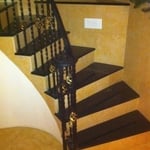
Custom Staircases
Custom Exterior Restoration
Custom Bathrooms
Recommended by75%of homeowners
Generator Install questions, answered by experts

Generators run on a variety of fuel types, ranging from natural gas to solar power. Keep in mind that fuel costs varying by type:

  • Natural gas: $2,000–$21,000 per year 

  • Liquid propane: $2,000–$21,000 per year

  • Diesel: $3,000–$20,000 per year

  • Gasoline: $500–$3,000 per year

  • Solar generator: $2,000–$25,000 per unit

  • Battery backup: $10,000–$25,000 per unit

Costs depend on generator type, labor, and additional wiring or transfer switch requirements.

Yes, in some locations, it is required by the National Electric Code (NEC) to have a transfer switch installed for electrical emergencies. In addition to following electrical code, generator transfer switches ensure your home is fully protected during a power outage. By switching the power from the main breaker to the generator breaker, you can seamlessly operate your HVAC, lights, appliances, devices, and more during an emergency. 

To reduce AC startup power for a whole-house generator, install a soft start kit or hard start capacitor, which lowers the initial surge by gradually ramping up the compressor. Using a smart load manager can also help by staggering startup loads, preventing a system overload and future costly repairs.

Generators are safe to use as long as they are installed and operated correctly according to the manufacturer's recommendations. The most critical safety tips are to never use a portable or fuel-powered generator inside an enclosed space due to the risk of lethal carbon monoxide poisoning; always operate it outdoors where fumes can dissipate away from your home. Additionally, never attempt to connect a generator to your home’s electrical panel yourself—hire a professional to ensure the setup meets safety standards. Finally, avoid overloading the generator by not connecting more appliances than it is rated for, as this can damage your equipment or cause a fire.

The Long Beach, WA homeowners’ guide to generator installs

From average costs to expert advice, get all the answers you need to get your job done.