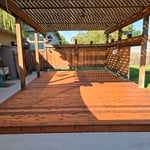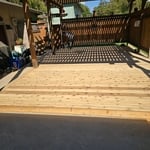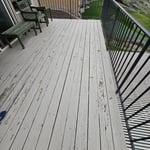








Top-rated deck maintenance specialists.

Get matched with top deck maintenance specialists in Kittitas, WA

Enter your zip and get matched with up to 5 pros

Need a pro for your deck maintenance project in Kittitas, WA?

Select your specific project to find the pro for you.

Find Deck maintenance specialists in Kittitas

Avatar for 17 HOME SERVICES LLC
17 HOME SERVICES LLC
5.0(
4
)
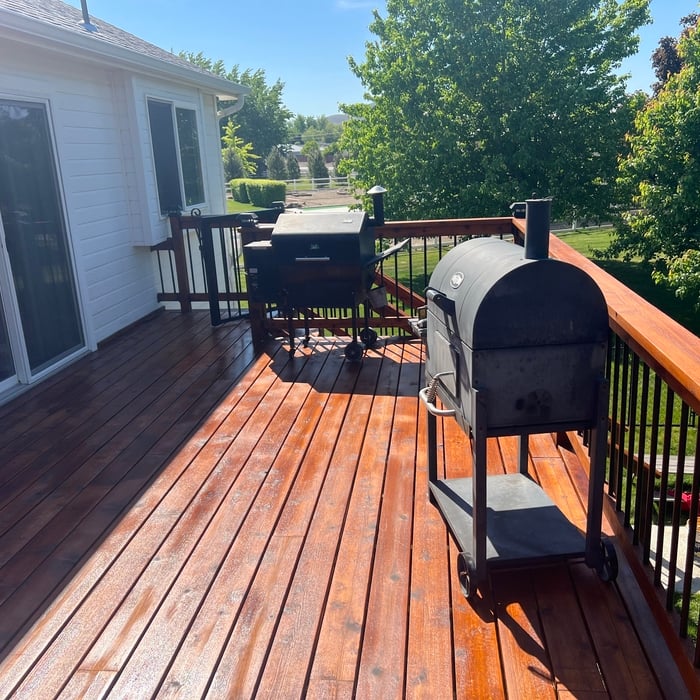
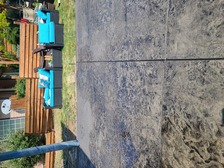
Deck, Fence, Patio or Porch - Clean and Seal

Serving Kittitas, WA and surrounding areas

In business since 2023

Free estimates

Credit card accepted

"I did a full remodel in my house with this company, and I couldn?t be more satisfied. The owner is incredibly kind and professional, always attentive to my needs. Plus, they finished the project right on time and at a very fair price. I highly recommend their services to anyone looking for quality and reliability."
Remodeling services.

+3

Showing 1-10 of 21
Deck Maintenance questions, answered by experts

Ideally, a gate should be able to swing both in and out. However, if it can only open in one direction, it is generally best for it to swing inward. This is often the safest option, especially for deck gates near steps, as you'll want the gate to swing away from the stairs. An inward swing also prevents the gate from opening into a public space, like a sidewalk, and can be more convenient when carrying heavy items like a wheelbarrow into a garden.

There are exceptions, however. The layout of your property may require a different approach. For example, if your property is on a slope, the gate may not be able to swing inward. You should also ensure the gate can open fully without colliding with any objects or blocking access to other areas. For a backyard garden gate where public access isn't a concern, the direction it swings is largely a matter of personal preference. Finally, always check your local building codes, as they may have specific requirements for which way a gate must swing.

Typically, most residential wooden decks are designed to support approximately 40 pounds per square foot, including the deck’s weight and any items placed on it. While this is fine for typical use, it is usually not enough to hold the weight of a hot tub filled with water and people. To safely support a hot tub, your wood deck will likely require reinforcement. Therefore, it’s best to have a contractor or a structural engineer assess it before hot tub installation.

The life expectancy of deck boards varies widely based on the material, climate, and maintenance. Untreated wood boards typically last 10 to 30 years with proper care, while pressure-treated boards can last up to 50 years. Hardwoods generally outlast softwoods. Composite boards also tend to last longer than natural wood. Environmental factors like arid or humid climates can shorten a deck's lifespan. To extend the life of wood decking, it's important to consistently clean and seal it to protect against moisture, UV light, and insects.

Because adding a deck will yield a higher property value, you may have higher insurance costs. It’s important to follow the codes and regulations set by your local and state governments, so your insurance rates can be properly calculated. You may need an insurance revaluation after your deck is completed. The best course of action is to speak with an insurance professional to understand how adding a deck will impact your home’s insurance costs before you begin.

Local building codes don’t specify the number of steps a deck can have before a railing is required, mainly because stair height varies widely. Most areas require decks 30 inches or higher to have a railing. While not exact, that roughly equates to four to seven steps.

The Kittitas, WA homeowners’ guide to deck maintenance services

From average costs to expert advice, get all the answers you need to get your job done.