


Top-rated deck maintenance specialists.

Get matched with top deck maintenance specialists in Cashmere, WA

Enter your zip and get matched with up to 5 pros

Need a pro for your deck maintenance project in Cashmere, WA?

Select your specific project to find the pro for you.

Find Deck maintenance specialists in Cashmere

Avatar for 17 HOME SERVICES LLC
17 HOME SERVICES LLC
5.0(
4
)

Serving Cashmere, WA and surrounding areas

In business since 2023

Free estimates

Credit card accepted

"I did a full remodel in my house with this company, and I couldn?t be more satisfied. The owner is incredibly kind and professional, always attentive to my needs. Plus, they finished the project right on time and at a very fair price. I highly recommend their services to anyone looking for quality and reliability."
Remodeling services.

+3

Showing 1-10 of 16
Deck Maintenance questions, answered by experts

Yes, you can attach a deck to a mobile home, but it’s important that the work be done correctly to avoid the potential for major damage to your home. Many building codes require that any additions to mobile homes—including decks—be either freestanding or have their own support structures. Getting permits may require submitting the home's original floor plan, the proposed floor plan, framing details, and more. 

Most building codes require that spindles or balusters on deck and stair railings be spaced no more than four inches apart. This safety standard, often called the '4-inch sphere rule,' is designed to prevent small children or pets from slipping through the railing. A good way to visualize this is that a 4-inch sphere should not be able to pass between two spindles. For the same safety reason, the space between the bottom rail and the deck floor should also be no more than four inches. As a general guideline, professionals often install three balusters per foot of railing. However, since specific requirements can vary by location, it is crucial to check your local building codes to ensure compliance before starting your project.

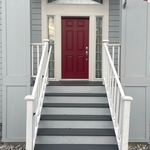
The overhang, or nosing, of deck steps is another area that will be covered in building code requirements. The noses on your deck steps should have a minimum overhang of ¾ inch. For safety, usability, and code compliance, the nosing of deck steps should not extend past 1¼ inches.

The proper height for a stair riser or deck step is between four and seven inches, with seven inches often considered the most comfortable. Building your stairs to this height ensures a strain-free step position and minimizes the risk of trip and fall injuries. For optimal safety and comfort, especially on deck stairs, a rise of around seven inches should be paired with a tread depth (or run) of at least 10 to 12 inches. While it is possible to design stairs with risers up to 12 inches, this height can be challenging for children, pets, or individuals with mobility issues. Always check with your local building codes, as they may mandate specific dimensions that differ from these general recommendations.

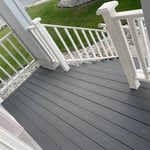
Composite decking is the best material for individuals living with disabilities who want to age in place. The material is anti-slip, which increases safety throughout the year. It’s also highly durable and requires minimal maintenance, so it doesn’t add another item to the individual’s to-do list. It’s also a good option for improving wheelchair accessibility at home, as it can easily manage a wheelchair ramp.

The Cashmere, WA homeowners’ guide to deck maintenance services

From average costs to expert advice, get all the answers you need to get your job done.