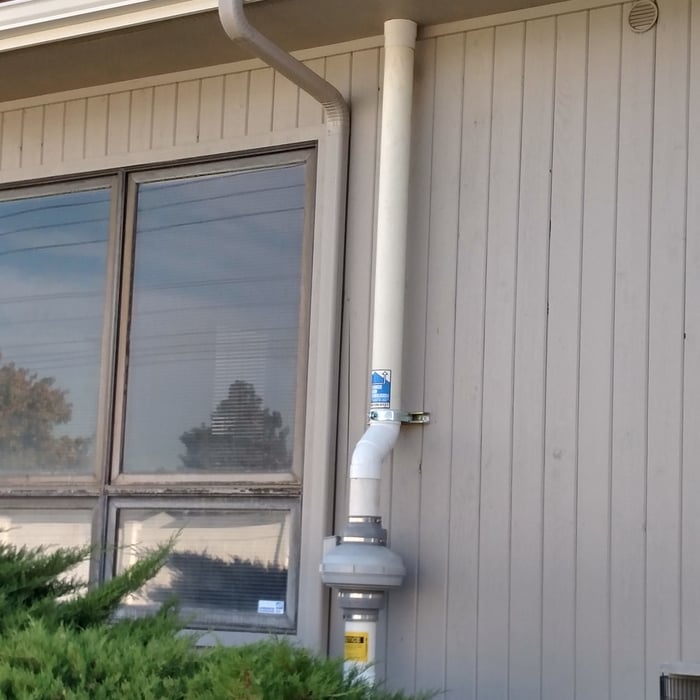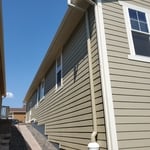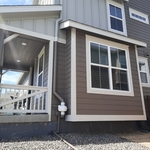




Top-rated radon detection and reduction specialists.

Get matched with top radon detection and reduction specialists in Evans, WA

Enter your zip and get matched with up to 5 pros

Need a pro for your radon detection and reduction project in Evans, WA?

Select your specific project to find the pro for you.

Find Radon detection and reduction specialists in Evans

Avatar for Advanced Radon Technologies
Advanced Radon Technologies
4.5(
42
)
Radon Gas - Abatement

Serving Evans, WA and surrounding areas

In business since 1971

Free estimates

Warranties offered

"Dave first off cares about his customers health and well being. He is interested in solving your Radon issue and making sure the work is high quality. He pulls proper permitting for electrical and his support team is awesome. The other Radon company that was used did not meet specific standards in doing Radon migitgation work. Do your homework and read reviews before hiring a Radon company and check certifications: https://nrpp.info/. Dave takes his profession seriously and has a tremendous background in this work. I highly recommend Advanced Radon Technologies."
Residential Systems
Residential Systems
Residential Systems
Residential Systems
Residential Systems

+11

Recommended by100%of homeowners
Avatar for Affordable Radon Services LLC
Affordable Radon Services LLC
5.0(
1
)
Radon Gas - AbatementRadon Gas - Testing

Serving Evans, WA and surrounding areas

In business since 2011

"This company was professional from start to finish! Setting up the appointment was quick and easy, they showed up on time and were concerned with my needs. They wanted to make sure the system was going in the proper spot, both inside and outside, and wore a mask and booties the whole time. I was impressed and will hire them again!"
Additional Photos
Additional Photos
Additional Photos
Additional Photos
Additional Photos

+13

Recommended by100%of homeowners

Affordable Home Inspection, LLC
New to Angi
Radon Gas - Testing

Serving Evans, WA and surrounding areas

In business since 2016

Free estimates

Credit card accepted

We pride our company on reliability, integrity and quality work. When Affordable Home Inspection, LLC is hired, we make it a point to provide the highest level of customer service. We work with both residential and commercial clients, and apply the same attention to detail regardless of project size or complexity. We look forward to earning your business! Thank you!

Radon Detection and Reduction questions, answered by experts

Radon is present almost everywhere but, like sunlight, the concentration levels and how often you are exposed to it have a large part to play in just how dangerous it is. There are levels of radon that are acceptable inside a house, but above a certain limit, radon becomes a serious radioactive hazard that is a known cause of lung cancer. In fact, radon exposure is the number two leading cause of lung cancer (after smoking).

No level of radon is technically safe, but since it is naturally present everywhere, it is impossible to avoid entirely. The average radon level in homes across the United States is 1.3 picocuries per liter (pCi/L). The Environmental Protection Agency (EPA) recommends taking action to reduce radon levels if your home's test results are between 2 and 4 pCi/L or higher.

The soil beneath your house is most likely what’s causing an increased level of radon. This is because soil holds radioactivity for a long time and it’s also what most buildings are built on. Another common source of radon is water from a source that hasn’t been through periodic radon tests, such as well water. Over time, the radon from the soil can inhabit other parts of your house like the foundation or plumbing.

There are steps you can take as a homeowner to remediate radon yourself. While a radon reduction professional can make the biggest impact in your home, you can make efforts to improve radon levels on your own by sealing cracks, increasing ventilation, and testing for radon regularly.

The lifespan of a radon mitigation system depends on the type of system and its maintenance. With proper care, a system can last for many decades. Passive systems tend to last longer as they have fewer components that require replacement. Active systems, which have more moving parts like fans, generally have a shorter lifespan. For instance, water filtration devices and active pressurization systems require more frequent maintenance. While the system as a whole is durable, the radon fan in an active system typically has a lifespan of 5 to 10 years and will need to be replaced. As long as the fan is working, the mitigation system should function correctly.

The Evans, WA homeowners’ guide to radon detection and reduction services

From average costs to expert advice, get all the answers you need to get your job done.