



Top-rated lead testing and removal specialists.

Get matched with top lead testing and removal specialists in Dayton, WA

Enter your zip and get matched with up to 5 pros

Need a pro for your lead testing and removal project in Dayton, WA?

Select your specific project to find the pro for you.

Find Lead testing and removal specialists in Dayton

Avatar for JBC Group Solutions Inc
JBC Group Solutions Inc
4.0(
4
)
Toxic Lead - AbatementToxic Lead - Testing

Serving Dayton, WA and surrounding areas

In business since 2007

Emergency services offered

"They did a real good job. They were real professional. We can now open the garage door from the inside of the house and now it is so smooth that we have to check to see if we hit the button to open it or close it.  Before we used to know when it was opening or closing because it used to make a noise. It helps when you move to a city where you are new. "
Custom Staircases
Custom Exterior Restoration
Custom Bathrooms
Recommended by75%of homeowners
Lead Testing and Removal questions, answered by experts

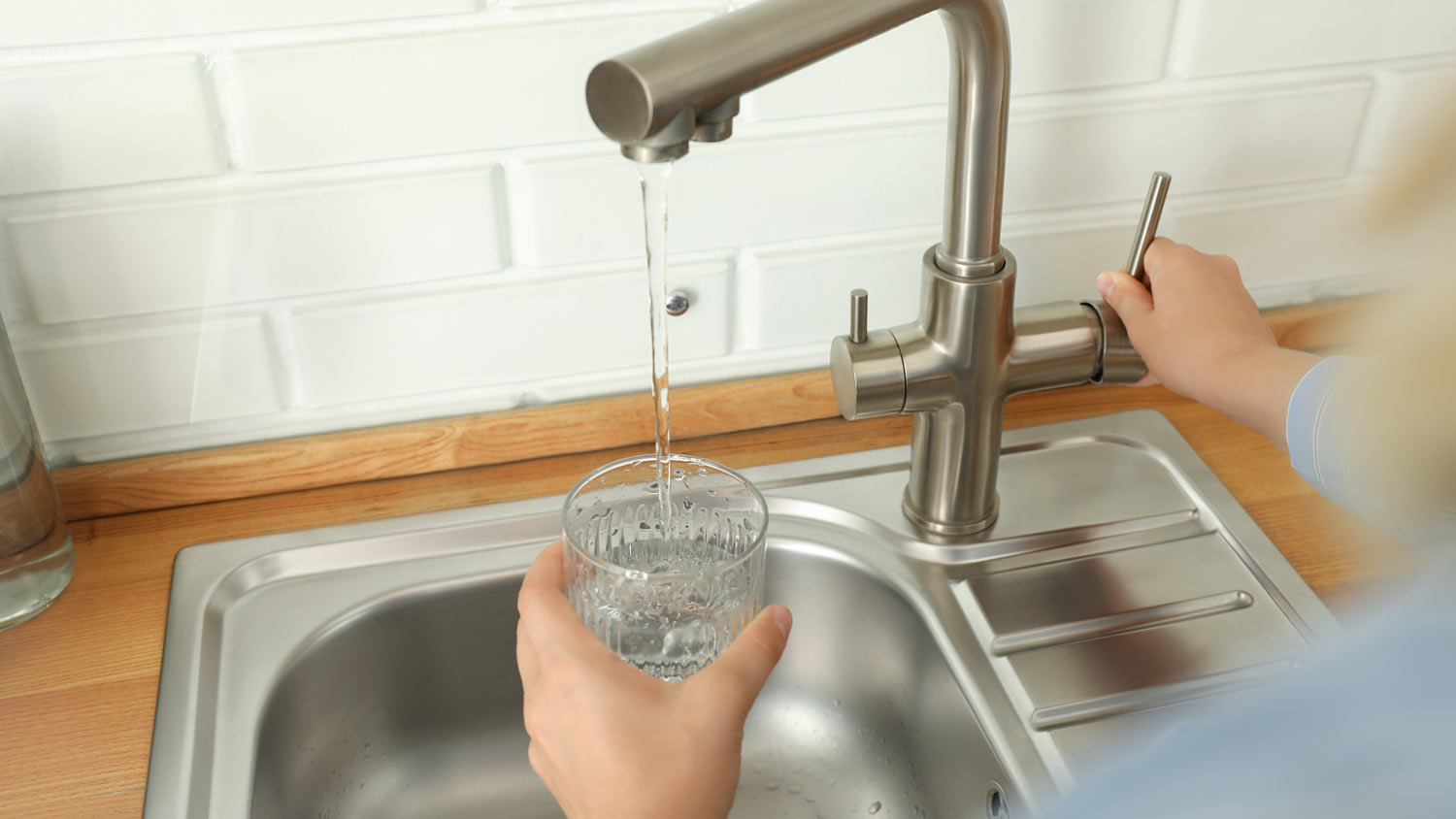
“Testing” can start with your senses: Assessing your water’s appearance, taste, and smell can all be good first steps. The best way to know for sure what’s going on with your water is to use a well water testing kit, which can tell you about the specific levels of bacteria, dissolved solids, and hardness of your water with precision. Have a pro test your well water at least once per year.

No, you can’t place hazardous waste in a dumpster unless you specifically ordered a dumpster for hazardous waste removal. If the dumpster company finds hazardous waste that it didn’t approve for dumping, the company will return the waste to you, and you’ll likely face a fine for illegal dumping.

Some of the signs that could mean your water is contaminated, such as cloudiness or bubbliness, could also be non-problems that don’t affect your water’s potability. However, if your water smells or tastes strange, it’s a good idea to stop drinking it and test it immediately. If your well water is contaminated, the best way to discover that is to test it.

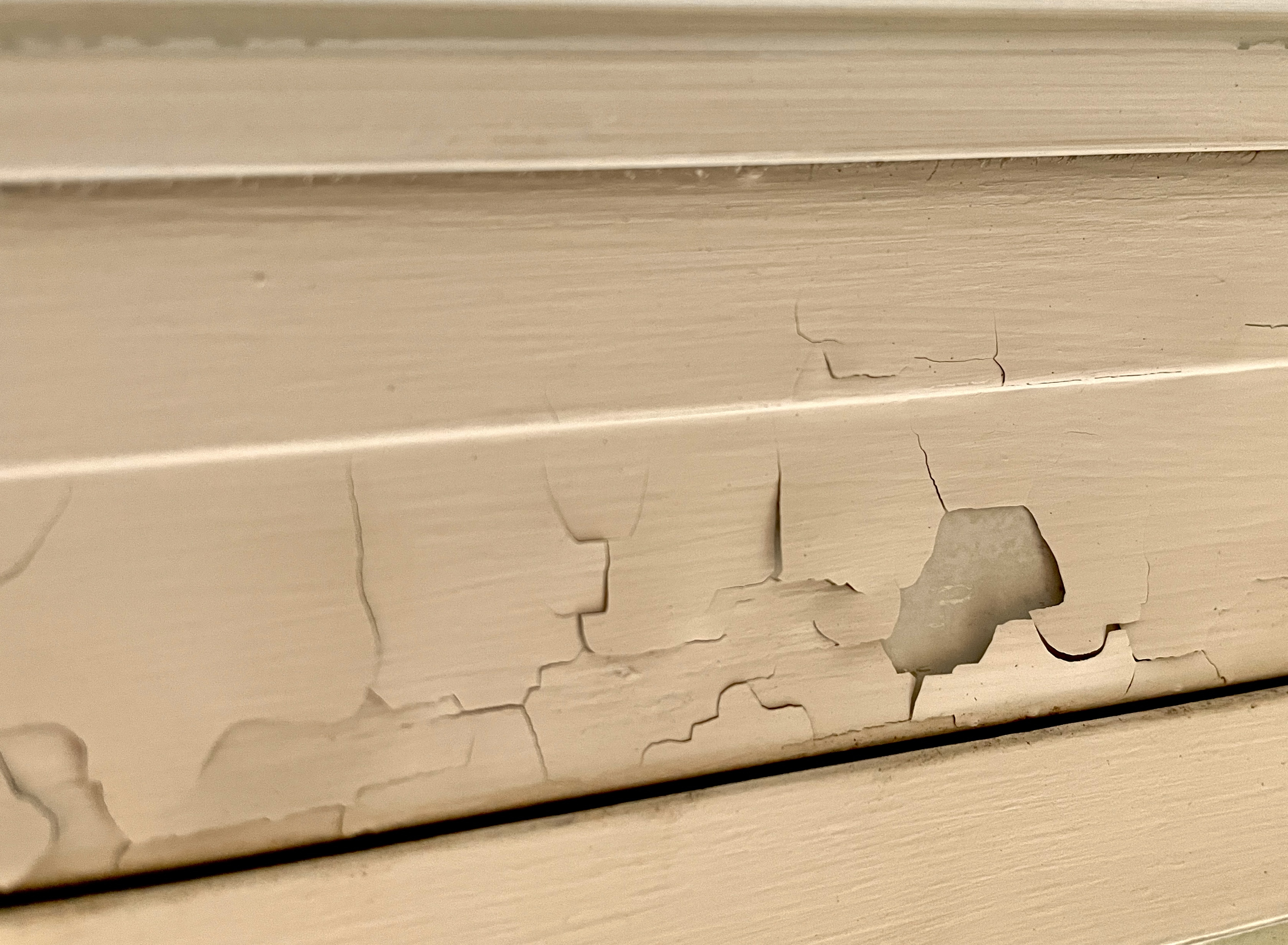
While not all homes built before 1978 contain lead paint, enough do, so you’ll still want to test to be on the safe side. The federal government banned lead-based paint for homes in 1978, but your state may have banned lead before that time. Around 24% of homes built between 1960 and 1977 contained lead-based paint, while 87% of homes built before 1940 contained lead-based paint.

Lead exposure poses significant health risks, including neurological, developmental, and behavioral disorders, especially critical in young children and fetuses.

The Dayton, WA homeowners’ guide to lead testing and removal services

From average costs to expert advice, get all the answers you need to get your job done.