Top-rated lead testing and removal specialists.

Best lead testing and removal specialists near Coulee Dam, WA

Enter your zip and get matched with up to 5 pros

Need a pro for your lead testing and removal project in Coulee Dam, WA?

Select your specific project to find the pro for you.

Top-Rated Lead testing and removal specialists in Coulee Dam - Updated Nov 2026

Avatar for JBC Group Solutions Inc
JBC Group Solutions Inc
4.0(
4
)
Toxic Lead - AbatementToxic Lead - Testing

Serving Coulee Dam, WA and surrounding areas

In business since 2007

Emergency services offered

"They did a real good job. They were real professional. We can now open the garage door from the inside of the house and now it is so smooth that we have to check to see if we hit the button to open it or close it.  Before we used to know when it was opening or closing because it used to make a noise. It helps when you move to a city where you are new. "
Custom Staircases
Custom Exterior Restoration
Custom Bathrooms
Recommended by75%of homeowners
Lead Testing and Removal FAQs, answered by experts

Professionals use specialized equipment and techniques to detect asbestos, radon, and VOCs.

Lead exposure poses significant health risks, including neurological, developmental, and behavioral disorders, especially critical in young children and fetuses.

DIY kits are available for basic air quality testing, but professional services provide more comprehensive results and recommendations. While a DIY kit may seem cost-effective, a professional assessment is more thorough. Inspectors are better equipped to catch all pollutants and hazards, and you'll still need a professional to verify and act on DIY test results. Furthermore, some kits don't test for certain pollutants or only detect their presence without measuring specific levels (like mold spores). It's generally better to opt for a detailed professional assessment.

Several different measurements may be used to determine the amount of lead in water. The most common unit of measurement is micrograms per liter (µg/L), which is the same as parts per billion. Another measurement is milligrams per liter (mg/L), which is the same as parts per million.

According to the Environmental Protection Agency (EPA), hazardous waste is generally classified into four main categories:

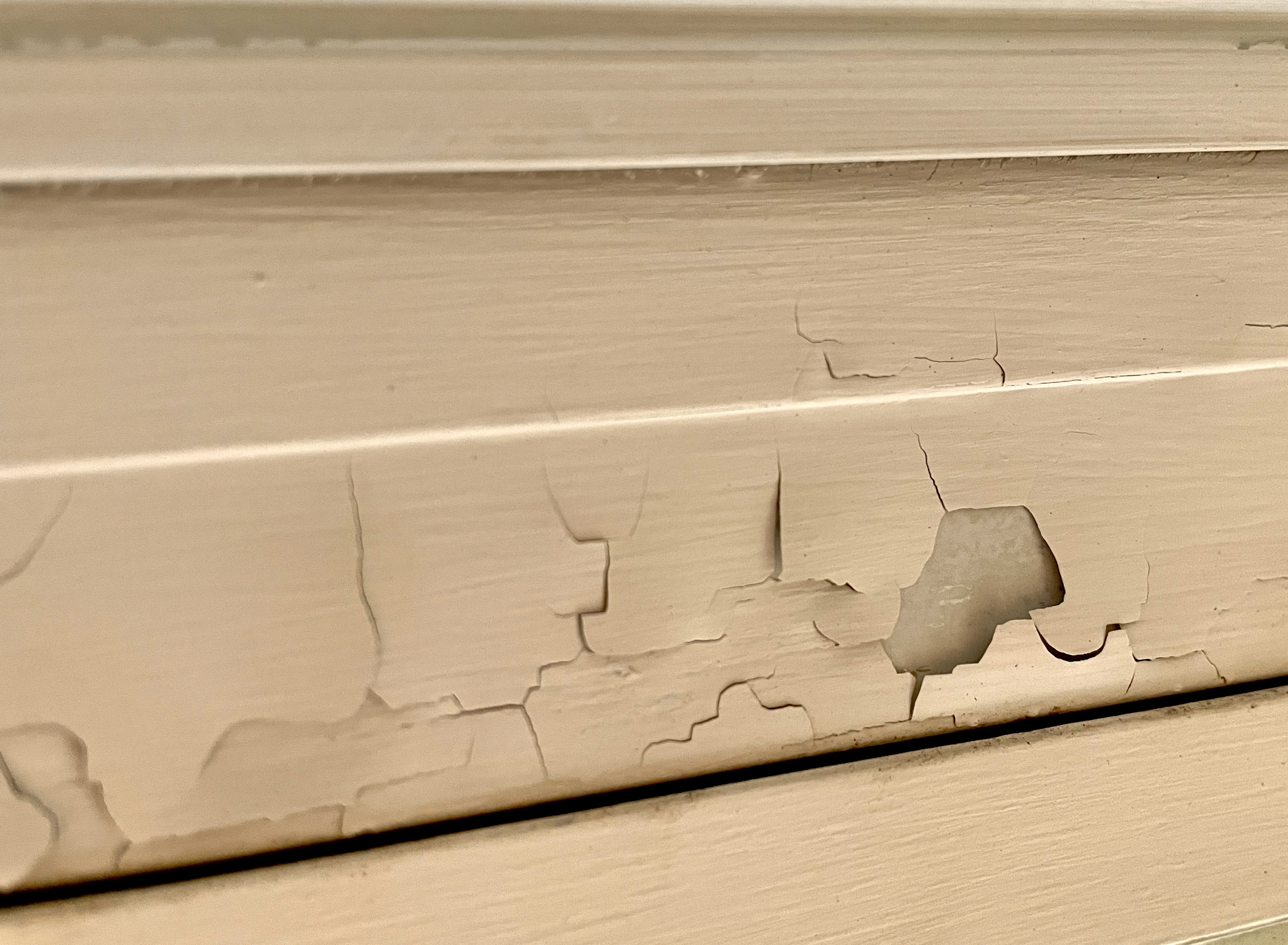
1. Characteristic Wastes: These exhibit at least one of four hazardous traits: ignitability (flammable, like gasoline), corrosivity (can rust or decompose materials, like car batteries), reactivity (unstable and can explode, like aerosol cans), or toxicity (harmful when ingested, like lead-based paint).

2. Listed Wastes: These are specific wastes from manufacturing and industrial processes that the EPA has officially designated as hazardous. They include byproducts from processes that use solvents, pesticides, and other chemicals.

3. Universal Wastes: These are commonly generated hazardous items that are subject to streamlined regulations. Examples include batteries, pesticides, mercury-containing equipment (e.g., bulbs), and some lamps.

4. Mixed Wastes: This category includes waste that contains both hazardous and radioactive components, making it subject to regulation by both the EPA and the Nuclear Regulatory Commission.
The Coulee Dam, WA homeowners’ guide to lead testing and removal services

From average costs to expert advice, get all the answers you need to get your job done.