


Top-rated bird control service pros.

Get matched with top bird control service pros in Cashmere, WA

Enter your zip and get matched with up to 5 pros

Need a pro for your bird control service project in Cashmere, WA?

Select your specific project to find the pro for you.

TRUSTED BY CASHMERE, WA HOMEOWNERS

  • Average homeowner rating star icon4.6
    Average homeowner rating
  • Verified reviews icon35
    Verified bird control services reviews

Find Bird control service pros in Cashmere

Wayland Pest Control LLC
New to Angi
Pest Control - Birds and BatsPest Control - Birds and Bats - For Business

Serving Cashmere, WA and surrounding areas

In business since 2021

Free estimates

Offers commercial services

We pride our company in performing high quality work and always use the highest quality of materials. At Wayland Pest Control, we service the greater Chelan County area, for all sorts of pest control and Handyman services. We know the anthropology of how bugs work, allowing us to provide effective long term service. We use higher quality products to ensure client satisfaction. Give us a call today at 509-699-5604 We look forward to working with you!

Give us a call today at 509-699-5604
Avatar for True North Pest Defense
True North Pest Defense
New to Angi
Pest Control - Birds and BatsPest Control - Birds and Bats - For Business

Serving Cashmere, WA and surrounding areas

Free estimates

Emergency services offered

Warranties offered

As a solo-operated business, there's no call center, no hand-off, and no runaround — when you call, you're talking to the person doing the work. If something's not right, I make it right, personally. That's not a policy. It's just how I do business.\n\nTo ensure complete peace of mind, services are fully backed by comprehensive general liability insurance and a straightforward service guarantee. Treatments begin with a thorough inspection to identify and treat the root cause to target current pests and prevent future outbreaks. If pests return between scheduled maintenance visits, True North returns to address the issue at no additional charge.

Bird Control questions, answered by experts

Fake owls are a common goose deterrent decoy and one of the most humane ways to scare away geese. Unfortunately, some geese are wise to fake predators. Decoys can be more effective if you move them around frequently or purchase ones with motion features. Decoys that move in the wind are also more effective than stationary decoys.

Keeping your pool cover clean is a good way to keep smaller animals from running across it or using it as shelter. Small animals may use leaf debris on top of the cover to hide. Cleaning also removes nuts that may fall from a nearby tree that could otherwise be a tempting snack for some animals, like squirrels. 

If you’ve had a prior bat infestation or simply want to avoid having bats invade your home in the first place, there are a few steps you can take without the need for a pro. 

  • Seal entry points, such as where your chimney meets your house, or other gaps or holes exist.

  • Use bat deterrents like bright lights or ultrasonic devices to force them away from your home. 

  • Reduce bat attractions like standing water and bird nectar feeders inviting bats into your yard.

It can be difficult to know what type of animal is in your attic until you see it. But several clues can help you narrow down the suspects:

  • Sounds: Smaller animals like rats and mice make scurrying and tapping/gnawing sounds. Larger animals like raccoons and opossums make louder clambering noises. Also, note when animals are noisy: Squirrels are active during the day, while rats are busiest at night.

  • Droppings: Rats and mice leave small, rice-shaped droppings (the rat’s version is significantly larger). Bigger droppings belong to larger critters like raccoons. As long as you’re not squeamish, an image search can help you identify what you’re seeing in your attic.

When in doubt, take photos of damage or other evidence and show them to an experienced pest control pro.

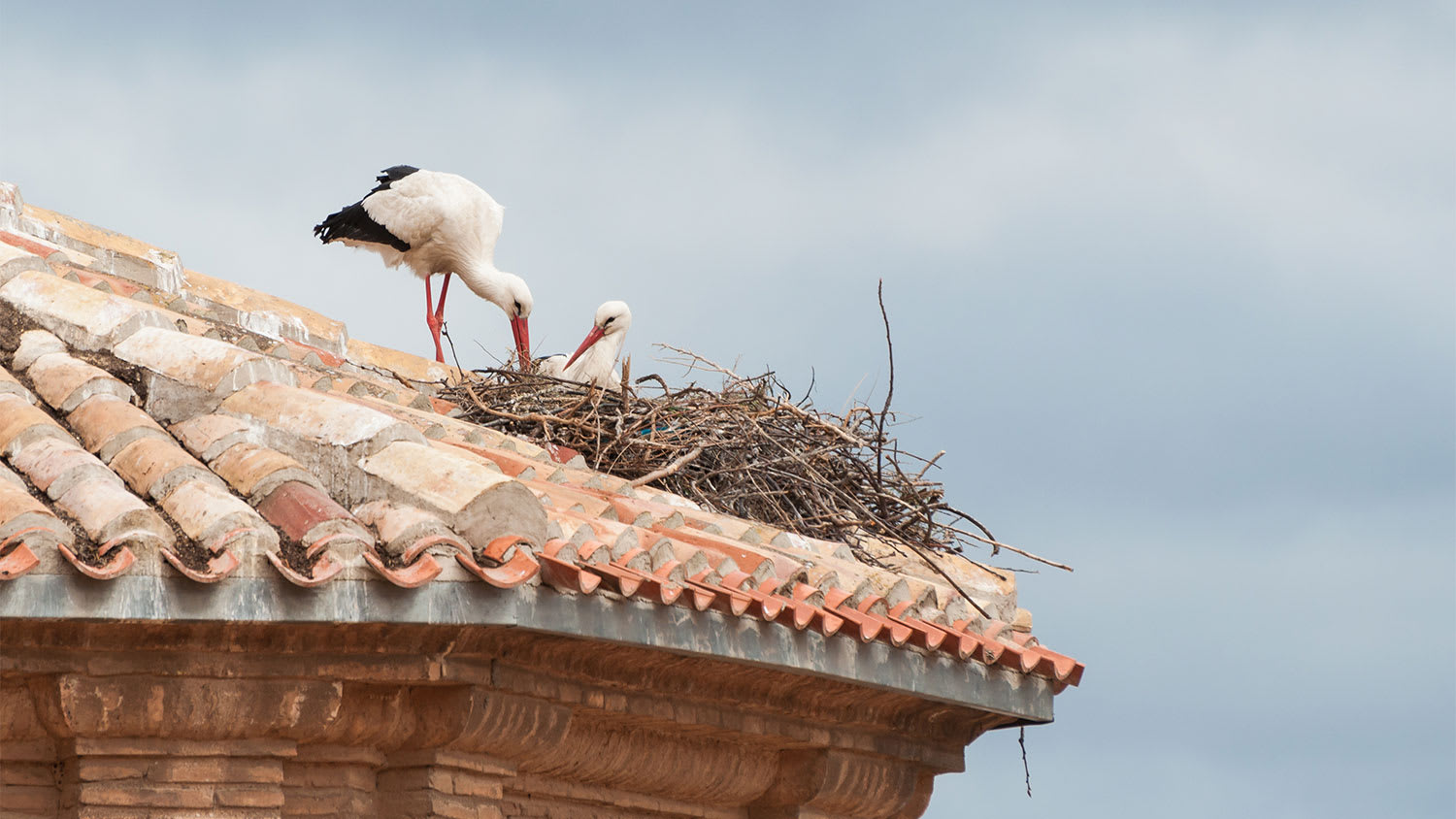
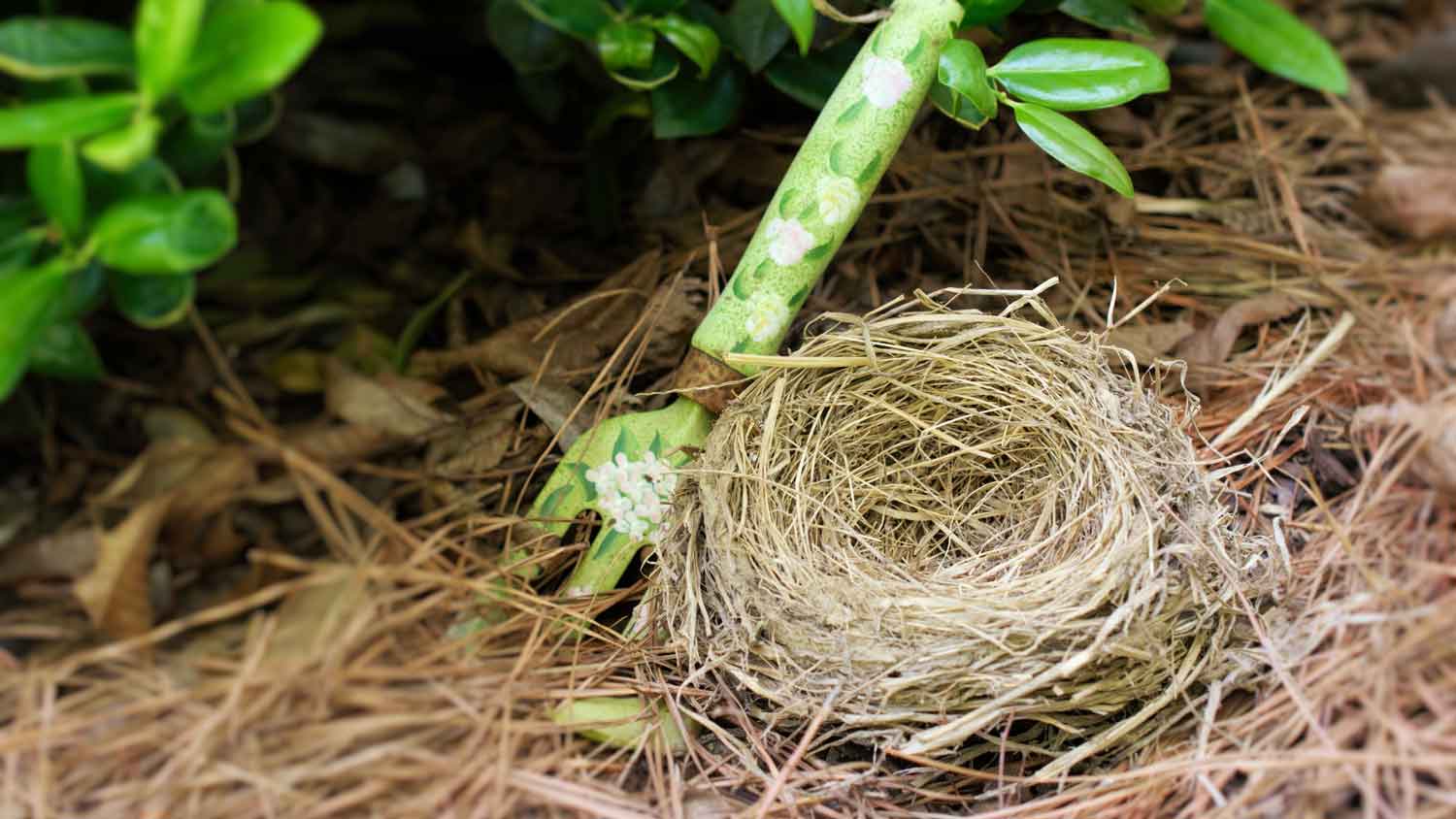
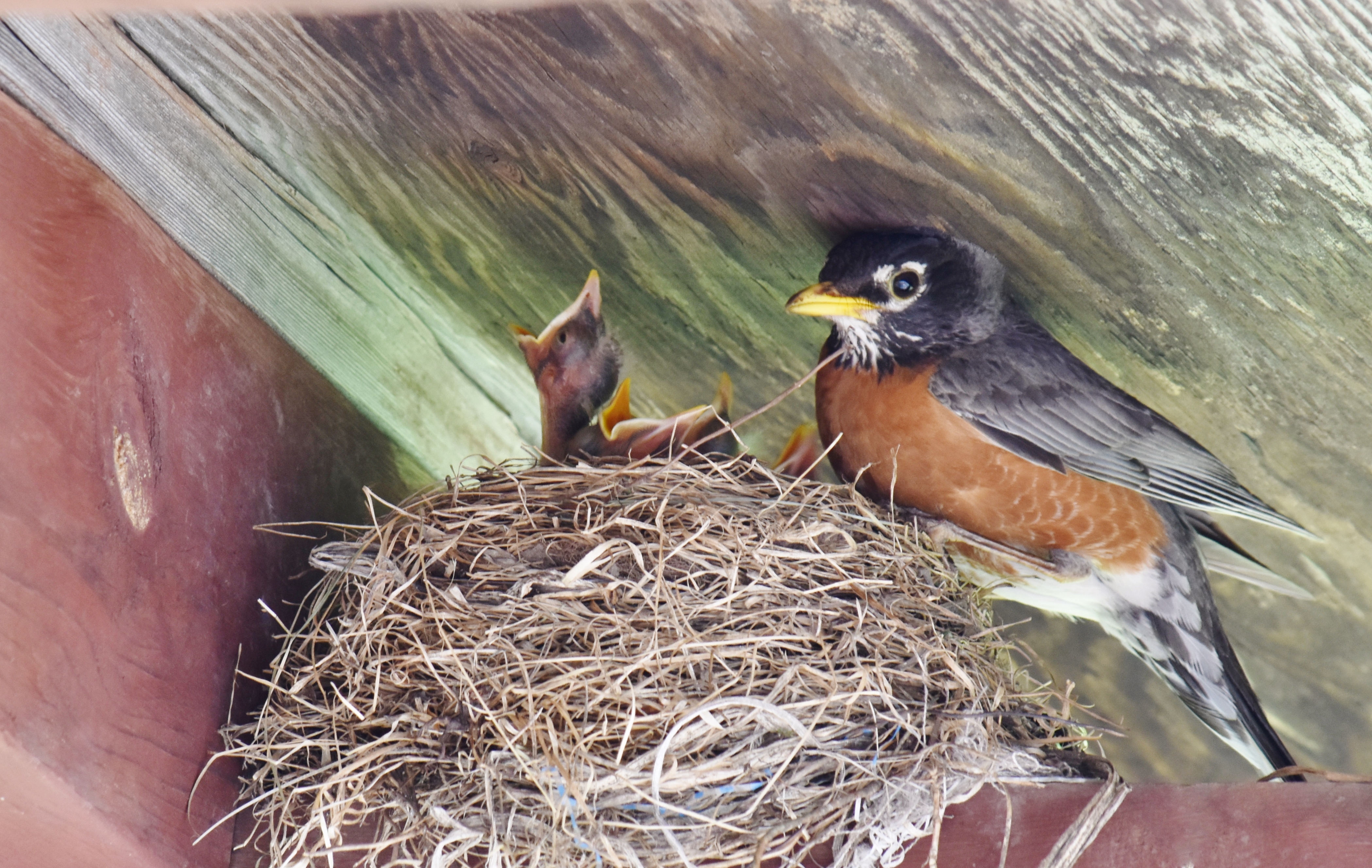
The lifespan of a bird's nest depends on the species. The building process can take from two days to three weeks. Once built, the nesting period for baby birds can last from two to ten weeks before they leave the nest. While most young birds are ready in two to six weeks, some predatory species may need up to two and a half months. Some species nest four to five times per year, so a nest could remain in use for several months. For specific information about a particular nest's longevity, it is best to consult a wildlife professional.

The Cashmere, WA homeowners’ guide to bird control services

From average costs to expert advice, get all the answers you need to get your job done.