
Top-rated animal fencing pros.

Get matched with top animal fencing pros in Worcester, VT

Enter your zip and get matched with up to 5 pros

Need a pro for your animal fencing service project in Worcester, VT?

Select your specific project to find the pro for you.

Find Animal fencing pros in Worcester

Avatar for SW WOOD LLC
SW WOOD LLC
5.0(
1
)
Electronic Pet Fence - InstallElectronic Pet Fence - Repair or Adjust

Serving Worcester, VT and surrounding areas

Approved

Free estimates

Emergency services offered

Small jobs welcome

"I was very pleased with the work he did, he has a nice way of explaining things , I sure I will hire him again for other projects when needed he is a very pleasant person to deal with. Tank you Scott for being such a nice guy ."

5 neighbors recently requested a quote
Animal Fencing questions, answered by experts

Groundhogs are most active during the warmer months, from spring through fall. On a daily basis, they exhibit peak activity in the early morning (dawn) and late afternoon (dusk), which are their primary feeding times. They tend to stay in their cool burrows during the hottest, sunniest parts of the day. Groundhogs hibernate during the winter, typically retreating to their dens from October or November until mid to late February.

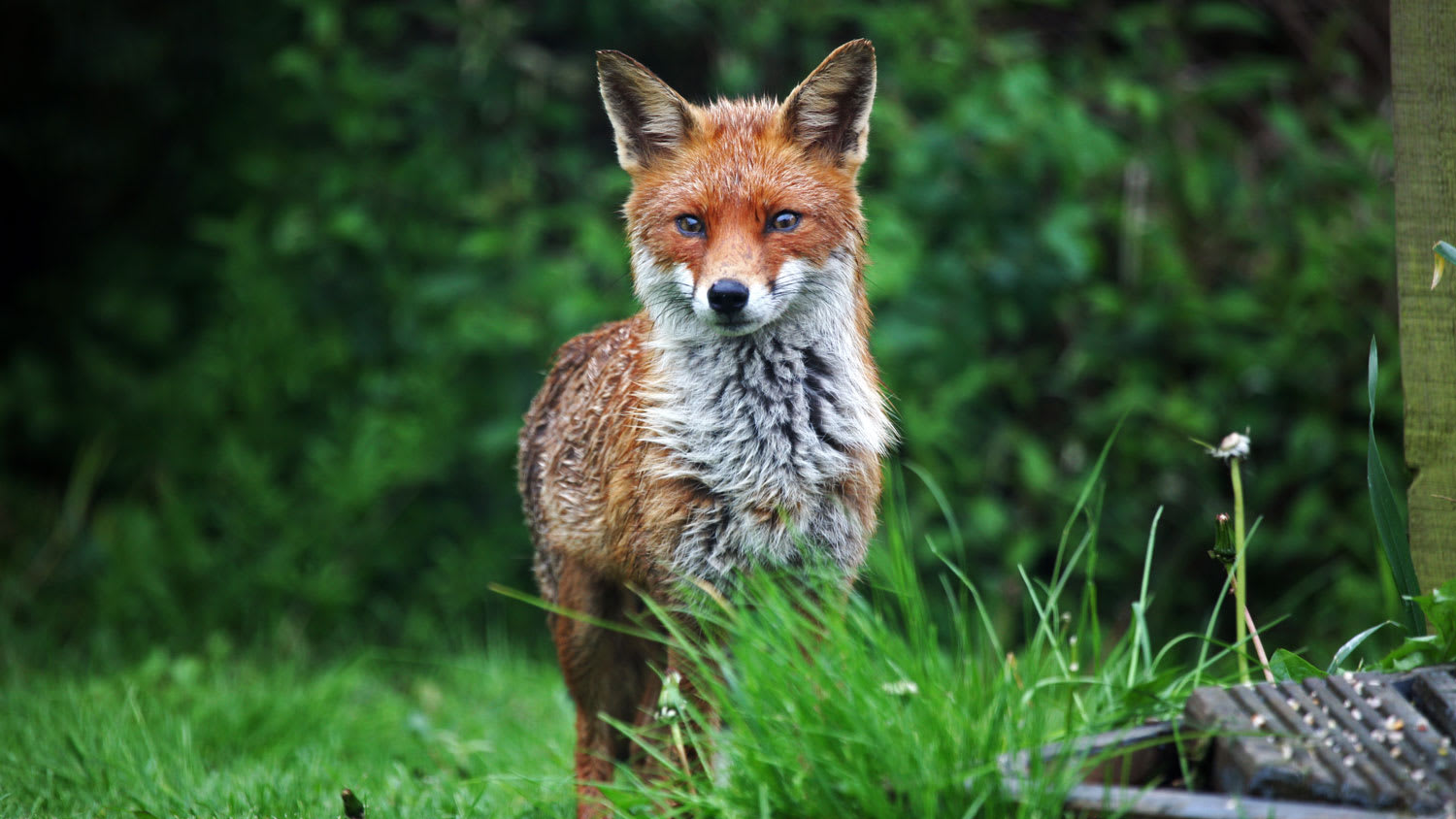
Unless foxes are a major threat or nuisance, living peacefully alongside them is often better. Reclusive foxes are rarely a risk to humans, and they can help keep rodent populations at bay and boost biodiversity in your yard. Plus, if you are a wildlife lover, there is the simple privilege and pleasure of watching a fox family interact right on your doorstep.

Yes, deer eat grass. But grass is far from a deer’s favorite food. Grass doesn’t have the nutrients deer need, so it only makes up a fraction of their diet. Deer eat woody plants, vegetation, acorns, fruit, and legumes. If deer are frequently in your yard, however, they will likely pick at the grass.

No, according to the CDC, animals do not usually pose health risks to swimmers, even if one dies. If a pool is maintained well, chlorine should kill any germs left by an animal within minutes. That said, homeowners should remove the animal as soon as possible and clean and disinfect the pool afterward.

What you should do with an armadillo after you catch it depends on what your local laws dictate. Often, it's easiest to relocate an armadillo rather than euthanize it. Contact your local wildlife control office or experts for information specific to your area. After removal is complete, be sure to repair any holes left in your yard or under your home.

The Worcester, VT homeowners’ guide to animal fencing services

From average costs to expert advice, get all the answers you need to get your job done.