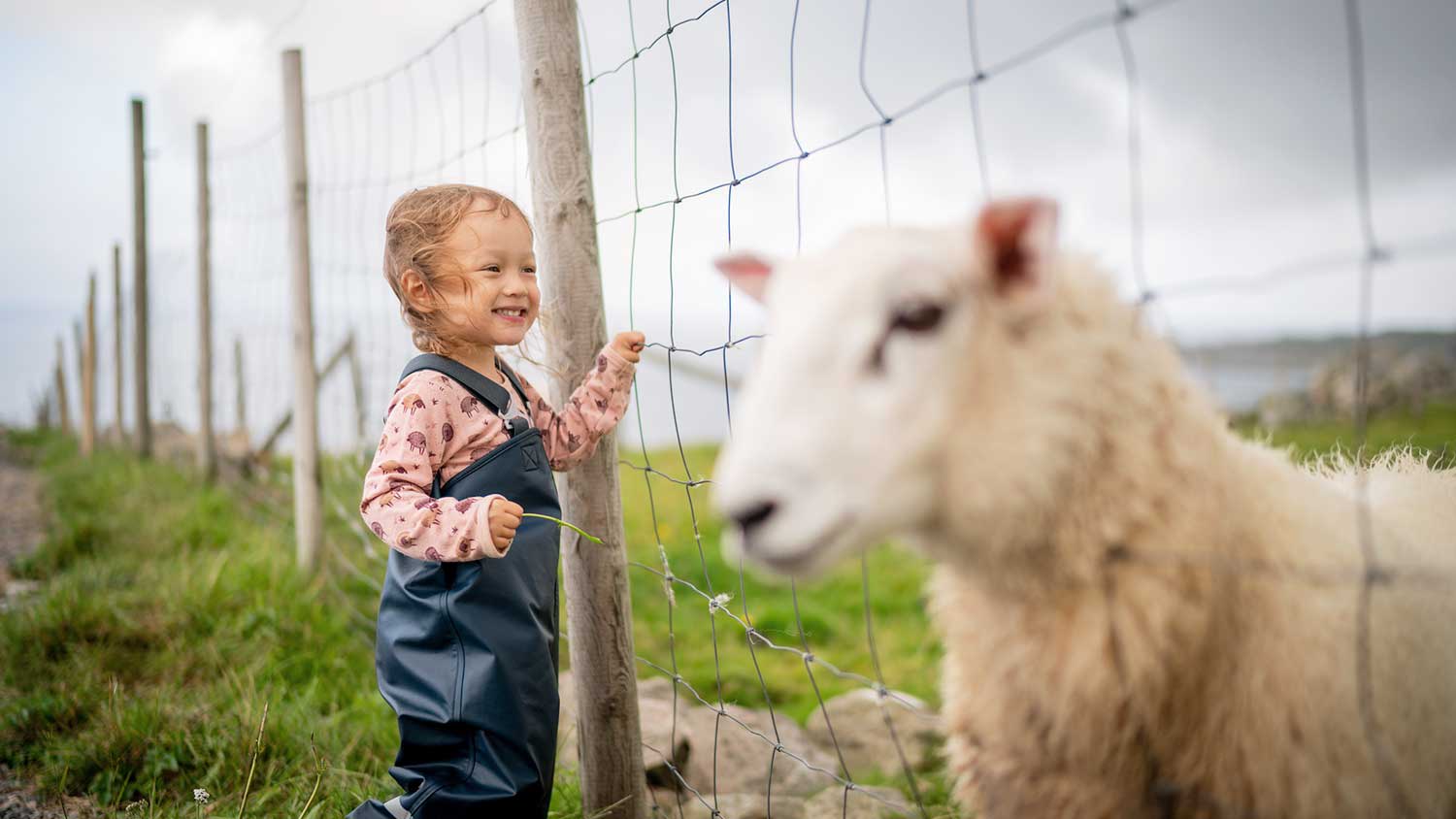

Top-rated animal fencing pros.

Best animal fencing pros near Marshfield, VT

Enter your zip and get matched with up to 5 pros

Need a pro for your animal fencing service project in Marshfield, VT?

Select your specific project to find the pro for you.

Top-Rated Animal fencing pros in Marshfield - Updated Nov 2026

Avatar for SW WOOD LLC
SW WOOD LLC
5.0(
2
)
Electronic Pet Fence - InstallElectronic Pet Fence - Repair or Adjust

Serving Marshfield, VT and surrounding areas

Approved

Free estimates

Emergency services offered

Small jobs welcome

"I was very pleased with the work he did, he has a nice way of explaining things , I sure I will hire him again for other projects when needed he is a very pleasant person to deal with. Tank you Scott for being such a nice guy ."

Projects
Projects
Projects
Projects
Projects

+6

7 neighbors recently requested a quote
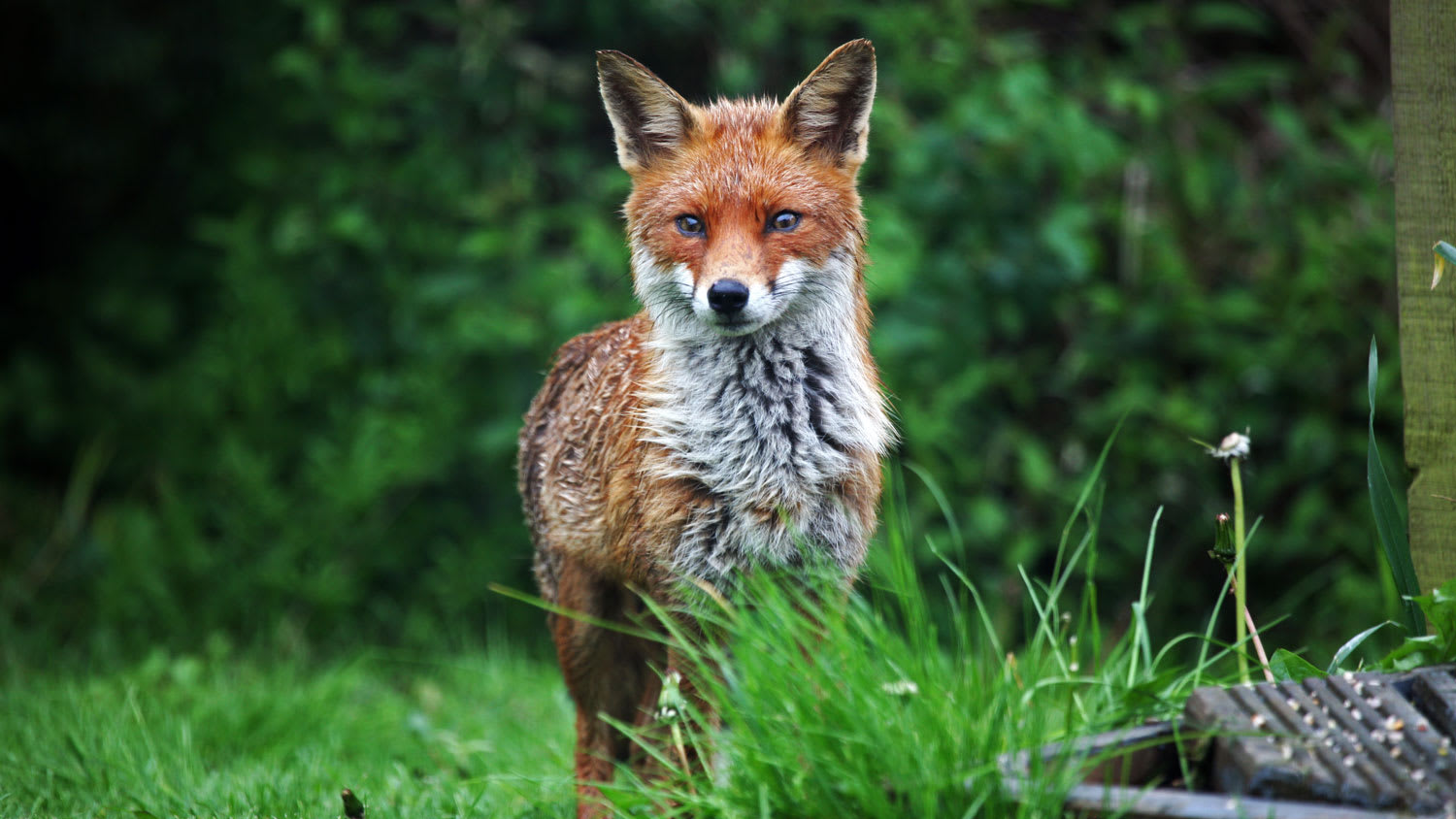
Animal Fencing FAQs, answered by experts

You can take multiple approaches to keep animals out of your edible landscape. You can use natural repellents such as mint and cayenne pepper to deter them from your garden. You can also build a fence (or opt for a privet hedge) or keep the most enticing plants in a sectioned-off area. The most efficient method of keeping your four-legged guests at bay is to determine what animal it is and create a customized plan for them. 

Badgers have a strong sense of smell, so it’s possible you can deter them with strong scents, such as applying citronella oil to the bottom of your fence, adding crushed scotch bonnet peppers sprinkled throughout your garden, or mixing both of these into a solution to spray around your home and garden.

There are quite a few opinions regarding using coffee grinds to keep deer out of your garden, with many people convinced of this method. It makes sense that it could work considering deer have a strong sense of smell and likely do not like the smell of coffee grounds. However, there’s no hard evidence supporting the notion that coffee grounds keep deer away, but it may be worth trying.

Moles breed once a year, marking March on their calendars as peak season. However, their breeding season can start as early as February and wrap up in May. Their gestation period is 4 weeks, with litters ranging from 2 to 6 little ones. They are considered all grown up by the three-month mark, making them ready for parenthood.

Ladybugs and nematodes eat fleas outdoors. In fact, ladybugs can eat an average of 50 bugs each hour. If you see them outdoors, avoid causing them harm to help you keep unwanted pests away.

The Marshfield, VT homeowners’ guide to animal fencing services

From average costs to expert advice, get all the answers you need to get your job done.