

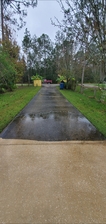


Top-rated asphalt driveway pros.

Get matched with top asphalt driveway pros in Washington, VT

Enter your zip and get matched with up to 5 pros

Need a pro for your asphalt driveway service project in Washington, VT?

Select your specific project to find the pro for you.

Find Asphalt driveway pros in Washington

Avatar for Solanna Homes LLC
Solanna Homes LLC
2.4(
5
)

Serving Washington, VT and surrounding areas

In business since 1986

Free estimates

"It was a very technical job. They did a fantastic job. They were prompt and got the job done under budget. It was a completely pleasurable experience for me and I highly recommend them to anyone!"
Additional Photos
Additional Photos
Additional Photos
Additional Photos
Additional Photos

+1

Recommended by50%of homeowners
Asphalt Driveways questions, answered by experts

Like all driveway materials, asphalt can crack in the wrong conditions and with age. Many things can cause asphalt to crack, including shifting soil or settling under the foundation. Other common causes are driving oversized vehicles on the asphalt, tree roots, and using rock salt during the snowy season. Proper installation and sealing the driveway every 10 years can help prevent cracks.

Your driveway contractor will probably recommend that you avoid driving on your new millings driveway for up to a week. Keeping pressure off the freshy applied millings will help the driveway to bind together. While the sun is helpful for binding millings, hotter weather can actually make the curing process take longer.

Even with regular maintenance, most driveways don’t last much longer than 30 years. Alligator cracking is a clear warning sign that your driveway’s foundation is failing, and cracks that are deep and wide can let water in, causing more damage. Standing water is another red flag. If your driveway doesn’t drain properly, it’s going to degrade slowly. Finally, if you’re seeing dips or uneven patches, that’s a sign the base layer or soil is shifting. If these issues pop up, it’s time to replace your driveway.

Driveway aprons typically range between four and seven inches thick, though your town's building codes will likely have specific requirements. Additionally, you may need to add a layer of permeable aggregate in the excavation below your paved apron to ensure proper stormwater drainage.

Asphalt is not a type of concrete. While both are a common type of pavement, asphalt is composed of aggregates (like sand and gravel) and bitumen; concrete is a mixture of cement, aggregates, and water. Here are some of the key differences between asphalt and concrete driveways.

The Washington, VT homeowners’ guide to asphalt driveway services

From average costs to expert advice, get all the answers you need to get your job done.

What do you need done? We’ll find top pros.
  • 🌱 "Mow a small front yard"
  • 🛠 "Fix a leaking pipe under the sink"
  • 🏠 "Repair shingles on an asphalt roof"