




Top-rated bird control service pros.

Get matched with top bird control service pros in Rutland, VT

Enter your zip and get matched with up to 5 pros

Need a pro for your bird control service project in Rutland, VT?

Select your specific project to find the pro for you.

Find Bird control service pros in Rutland

Nature's Way Pest Control - Home Facebook
5.0(
3
)
Pest Control - Birds and BatsPest Control - Birds and Bats - For Business

Serving Rutland, VT and surrounding areas

In business since 2001

Free estimates

Warranties offered

"After doing some handy work around my home, I could not believe when I found an infestation of carpenter ants and where they were hiding. I knew anything I could buy at the store wouldn't do the trick and I had to call the professionals in. I decided to call Natures Way Pest control, as I have heard so many positive things about them and the services they offer. First off, they were very knowledgeable in the problem I was having and assured me they could help eliminate it for good. When they showed up, they were very professional and explained everything. I highly recommend this company."
Recommended by66%of homeowners

Bird Control questions, answered by experts

DIY removal of birds or bats is not recommended due to safety risks and potential legal protections for certain species. While simple prevention methods can be done yourself, actual removal and control of an infestation should be handled by professionals who are familiar with safe, humane, and effective techniques.

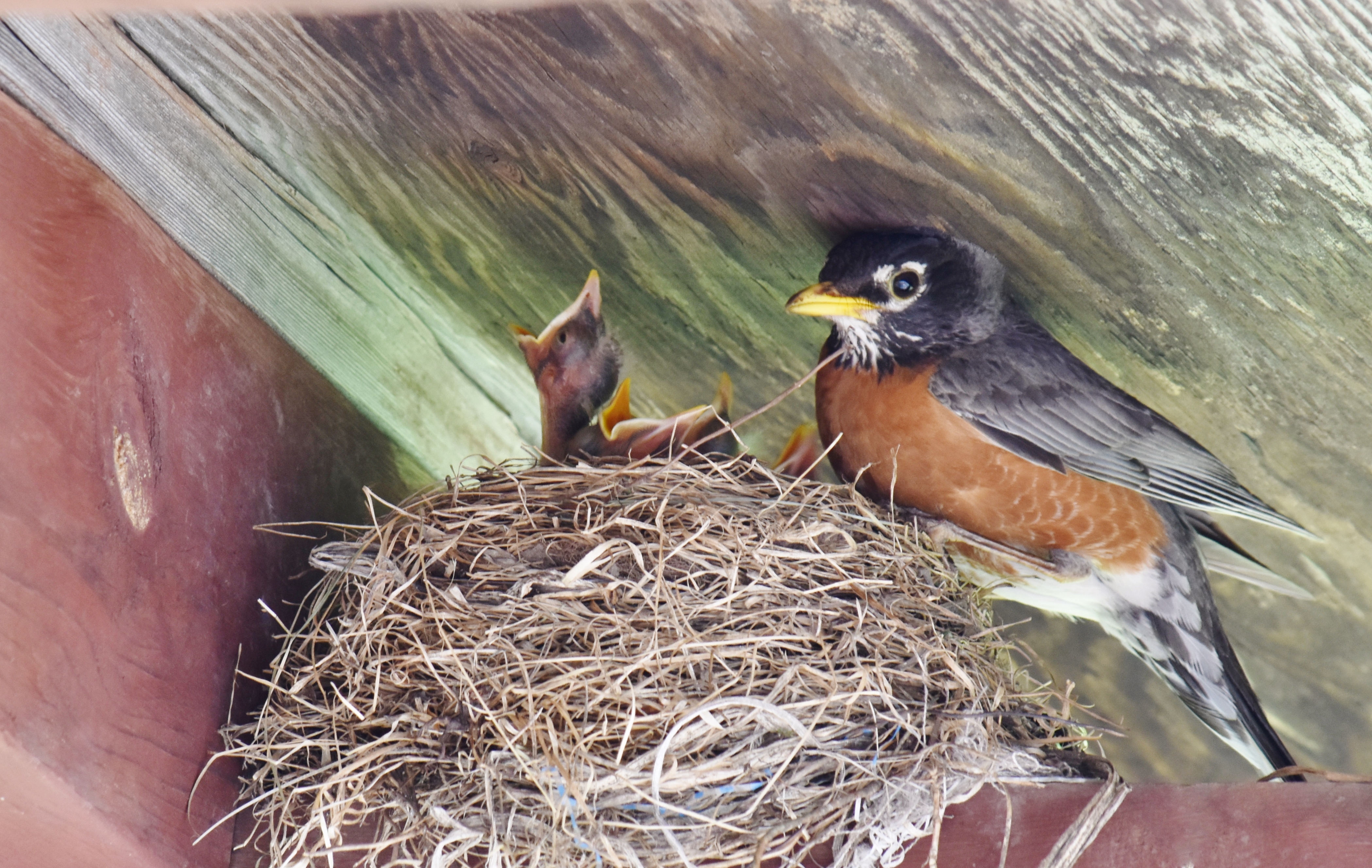
The lifespan of a bird's nest depends on the species. The building process can take from two days to three weeks. Once built, the nesting period for baby birds can last from two to ten weeks before they leave the nest. While most young birds are ready in two to six weeks, some predatory species may need up to two and a half months. Some species nest four to five times per year, so a nest could remain in use for several months. For specific information about a particular nest's longevity, it is best to consult a wildlife professional.

Numerous predators kill hornets, including frogs, birds, lizards, bats, spiders, and hedgehogs. Some larger predators, including rats, skunks, and racoons, will occasionally attack a hornet nest in order to eat the larvae inside. These natural predators typically don’t eat enough hornets to make them an effective form of hornet control. 

Hawk attacks on pets are rare, and they won’t target animals that outweigh them. Hawks typically weigh between one and three pounds. That means you don’t need to worry if you have a Labrador Retriever or French Bulldog. However, small cats and toy breed dogs, like Chihuahuas, are at risk. Pet attacks are more likely in winter when food is scarce or in the early summer when inexperienced young hawks are honing their hunting skills.

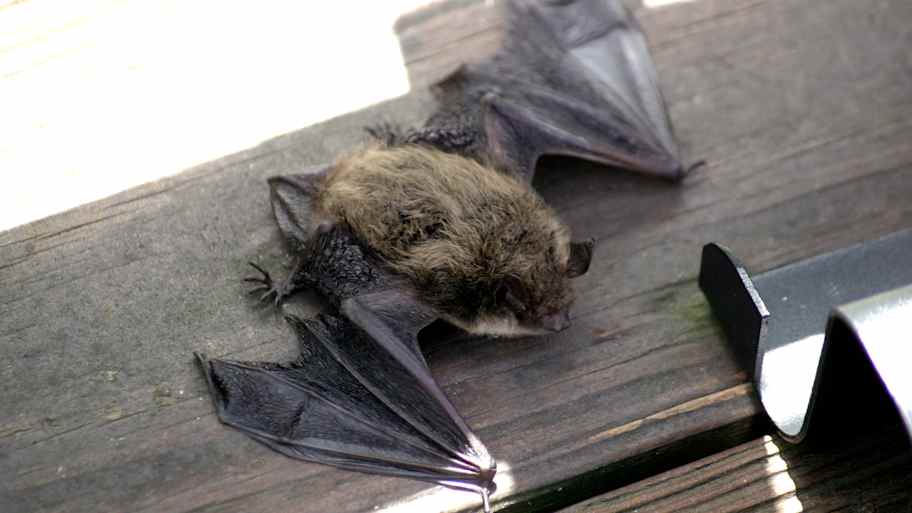
No, you shouldn’t have to worry about bats in your yard as long as they don’t make their way inside your house. Typically, bats hang around backyards in order to consume bugs, especially if they’re located in the U.S. Bats that are native to North America can consume more than 500 bugs per hour, so they may actually benefit your yard if mosquitoes are prevalent.

The Rutland, VT homeowners’ guide to bird control services

From average costs to expert advice, get all the answers you need to get your job done.