




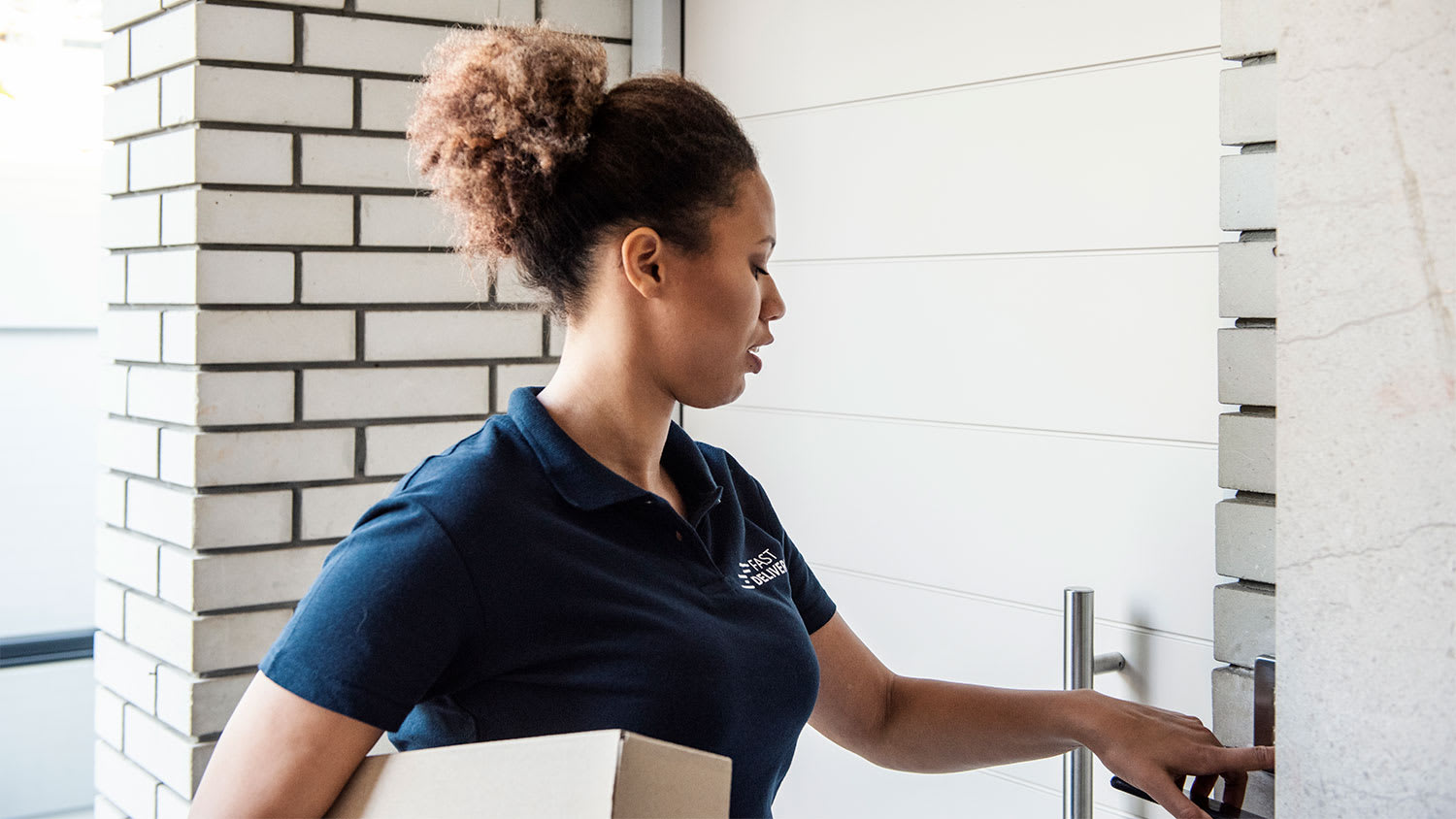
Top-rated doorbell installation pros.

Best doorbell installation pros near Pomfret, VT

Enter your zip and get matched with up to 5 pros

Need a pro for your doorbell installation project in Pomfret, VT?

Select your specific project to find the pro for you.

TRUSTED BY POMFRET, VT HOMEOWNERS

  • Average homeowner rating star icon4.7
    Average homeowner rating
  • Verified reviews icon50
    Verified doorbell installation services reviews

Top-Rated Doorbell installation pros in Pomfret - Updated Nov 2026

No results for Doorbell installation pro in

Try adjusting your search criteria.
Doorbell Installation FAQs, answered by experts

The life span of fiberglass insulation can be as long as 80 to 100 years, but because of changing building codes, it’s best to get your insulation checked every 10 to 15 years. Signs of degrading fiberglass insulation include bits of batts on the floor or batts detached from frames. Having optimal, healthy insulation in your home will improve its energy efficiency, lowering your monthly bills.

On average, insulating an attic costs about $2,500, with a typical range of $1,500 to $3,500. The final price often depends on the attic's size, with costs generally falling between $1 to $3 per square foot. For example, insulating a 1,800-square-foot attic would likely cost between $1,800 and $5,400.

If the project involves removing old insulation, this can add an average of $900 to the total cost, bringing a full removal and reinsulation project to around $3,000.

Several factors influence the overall cost:

  • Insulation Type: Prices per square foot vary significantly by material.

  • Reflective: $0.50–$1.50

  • Blown-in: $1–$4

  • Batt: $2–$4

  • Loose-fill: $2–$5

  • Spray foam: $2–$5

  • Structural insulated panels (SIPs): $4–$7

  • Project Complexity: Factors like sealing air leaks, poor attic accessibility, and required inspections can add to the cost.

  • Removal Issues: The discovery of mold, asbestos, or pests during the removal of old insulation can substantially increase the price.

It's essential to use insulation materials specifically designed for air ducts. Common types of duct insulation materials include fiberglass, foam board, and reflective foil. These insulation materials have the right properties to withstand the temperature and airflow conditions within the ductwork. Using the appropriate insulation not only ensures efficient temperature control but also prevents potential safety hazards or the release of harmful particles into the air.

When installing board and batten siding, make sure there is wall sheathing and a moisture-resistant barrier installed. Behind that sheathing should be plywood or OSB for you to nail the boards and battens into. If there isn’t plywood or OSB, you can install vertical furring strips at 1½- to 2-foot intervals to nail the boards and battens to.

Cellular shades, also known as honeycomb shades, are the most energy-efficient and insulating window treatments. Their honeycomb structure is made of soft fabric that forms layered cell pockets. These pockets trap air, creating a thermal barrier that reduces heat loss in the winter and blocks heat gain in the summer. For even greater insulation, consider double- or triple-cell varieties. Side-tracked cellular shades, which seal the edges of the window frame, can further minimize air leaks and maximize energy efficiency.

The Pomfret, VT homeowners’ guide to doorbell installation services

From average costs to expert advice, get all the answers you need to get your job done.