



Top-rated arborists.

Get matched with top arborists in New Haven, VT

Enter your zip and get matched with up to 5 pros

Need a pro for your arboricultural service project in New Haven, VT?

Select your specific project to find the pro for you.

TRUSTED BY NEW HAVEN, VT HOMEOWNERS

  • Average homeowner rating star icon4.4
    Average homeowner rating
  • Verified reviews icon37
    Verified arboricultural services reviews

Find Arborists in New Haven

Avatar for David
David
New to Angi
Tree RemovalTree Trimming

Serving New Haven, VT and surrounding areas

Approved

Free estimates

Emergency services offered

Small jobs welcome

I have always had a passion for trees dating back to my dendrology classes at Miami University. That passion has fueled many years in the arboriculture industry as a crew leader and climber. I'm happy to consult with you on your trees or shrubs and options to explore to preserve them for the long-term. Being an ISA Certified Arborist, I'm always striving to keep up with industry standards and grow myself.

Avatar for Rocky Oaks
Rocky Oaks
New to Angi
Tree TrimmingTree Trimming - For Business

Serving New Haven, VT and surrounding areas

Approved

In business since 2010

Free estimates

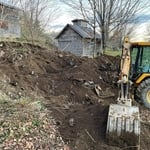
We take great pride in our experience, expertise, quality, and customer service that we provide to meet the consumer's needs. It is our mission to provide excellent workmanship and complete customer satisfaction from start to completion of a project. We specialize in all your outdoor needs from excavating, grading, and demolition. Our reputation is based on service, safety, and quality, regardless of how large or small the job.\n\n

After
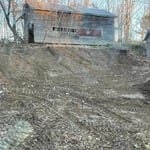
Before
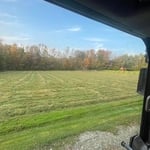
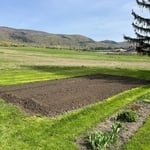
After brush hogging
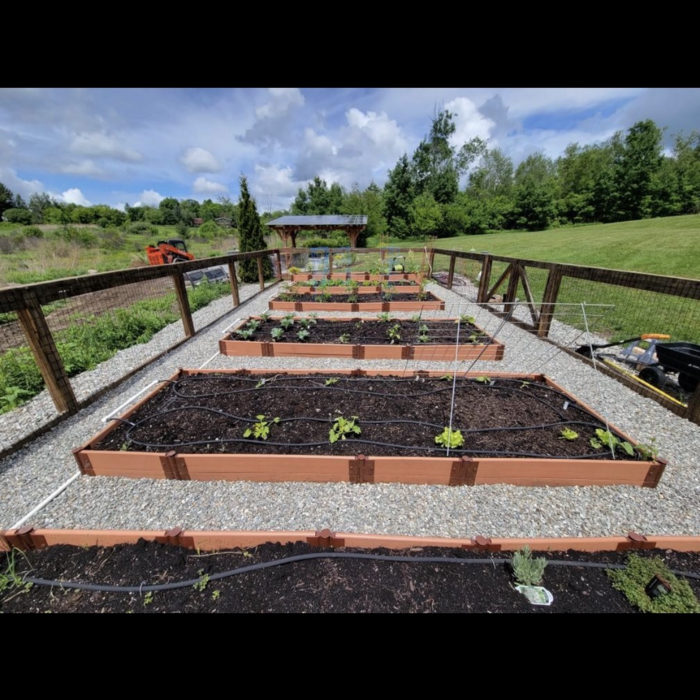
A nice rototilling for a garden!
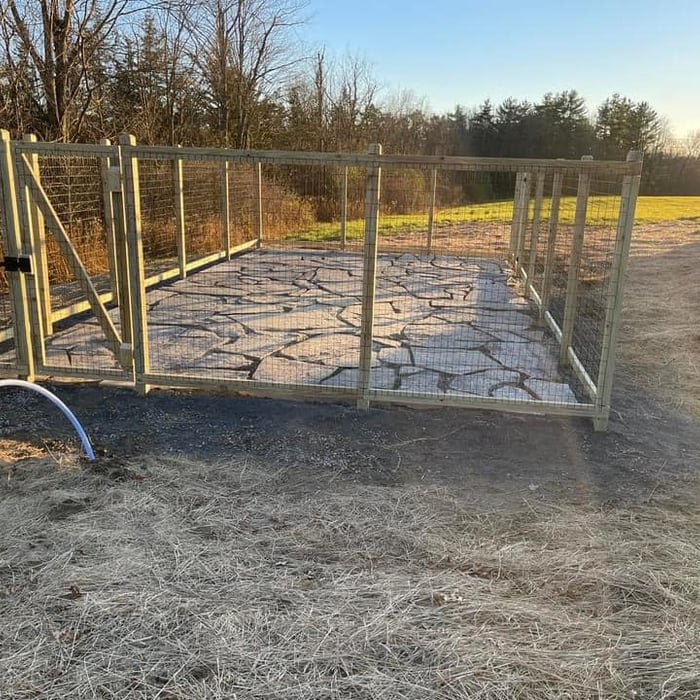
Fence done for a garden

+3

Response time4 days
Showing 1-10 of 49
Arborists questions, answered by experts

Generally, you’ll want to prune back the trunk by 1 to 2 feet each year to promote bushy growth. Doing so concentrates vegetative buds closer to the bottom of the tree, where you can easily harvest fruit. For side shoots that are a year old, leave at least six leaves. 

Never remove more than 30% of a tree’s foliage during pruning—even if your tree is really overgrown. Removing this much foliage at a time could kill your tree.

Service costs depend on several factors, including the system's age, type, and size, as well as the complexity of the repair. Labor costs and whether replacement parts are necessary also play a significant role.

White vinegar does not kill ivy on trees because its acetic acid concentration is not high enough to overpower it. Vinegar is an effective herbicide for weeds and other plants, but not for the strength of most ivies, including poison ivy and English ivy. You should use an herbicide to kill ivy, such as one with glyphosate, imazapyr, or triclopyr.

How often and long you should water a tree depends on the species and if it is mature or newly planted. The amount of water is also based on the tree's size. A good rule of thumb is approximately 5 gallons per inch of the trunk's diameter.

Adjusting watering to the recommended suggestions for the tree type and weather conditions is vital. For instance, watering trees during a drought is necessary, and you may need to water more frequently than usual.

Unless there’s some sort of rule in your community’s homeowners’ association that requires you to remove a stump, there’s no law that says you have to take it out. If you’re not wedded to the idea of removing it, there are plenty of ways to get creative with this tree remnant. Using the stump as the medium for a wood carving or turning it into a planter are just two examples of ways to repurpose a tree stump.

The New Haven, VT homeowners’ guide to arboricultural services

From average costs to expert advice, get all the answers you need to get your job done.