"We were very pleased with the work he did. I would recommend him to mother people. He communicated with us very well and we knew when and where he was at all times."
"Mike was able to fit me in the same day for an estimate which surprised me because I'm sure a lot of people are needing his services with all the rain lately but he was in the area that day and came by. Although the company is a nation wide chain, its a franchise and a small business. He is an honest Vermonter with Vermont values which I appreciate. He gave me options but didn't try to talk me into something I couldn't afford and is doing the work within two weeks which I was also happy about being a very busy time for this type of thing."
"The company representative stated to me that they only do commercial properties and not residential homes. I was not aware of that from the company's description. They did respond to my calls."
"It was a very technical job. They did a fantastic job. They were prompt and got the job done under budget. It was a completely pleasurable experience for me and I highly recommend them to anyone!"
Charges correlate with surface size, settlement depth, and access, often yielding significant savings over concrete replacement.
The timeframe is generally a few hours, allowing for immediate use post-hydration, ensuring minimal disruption to surrounding activities.
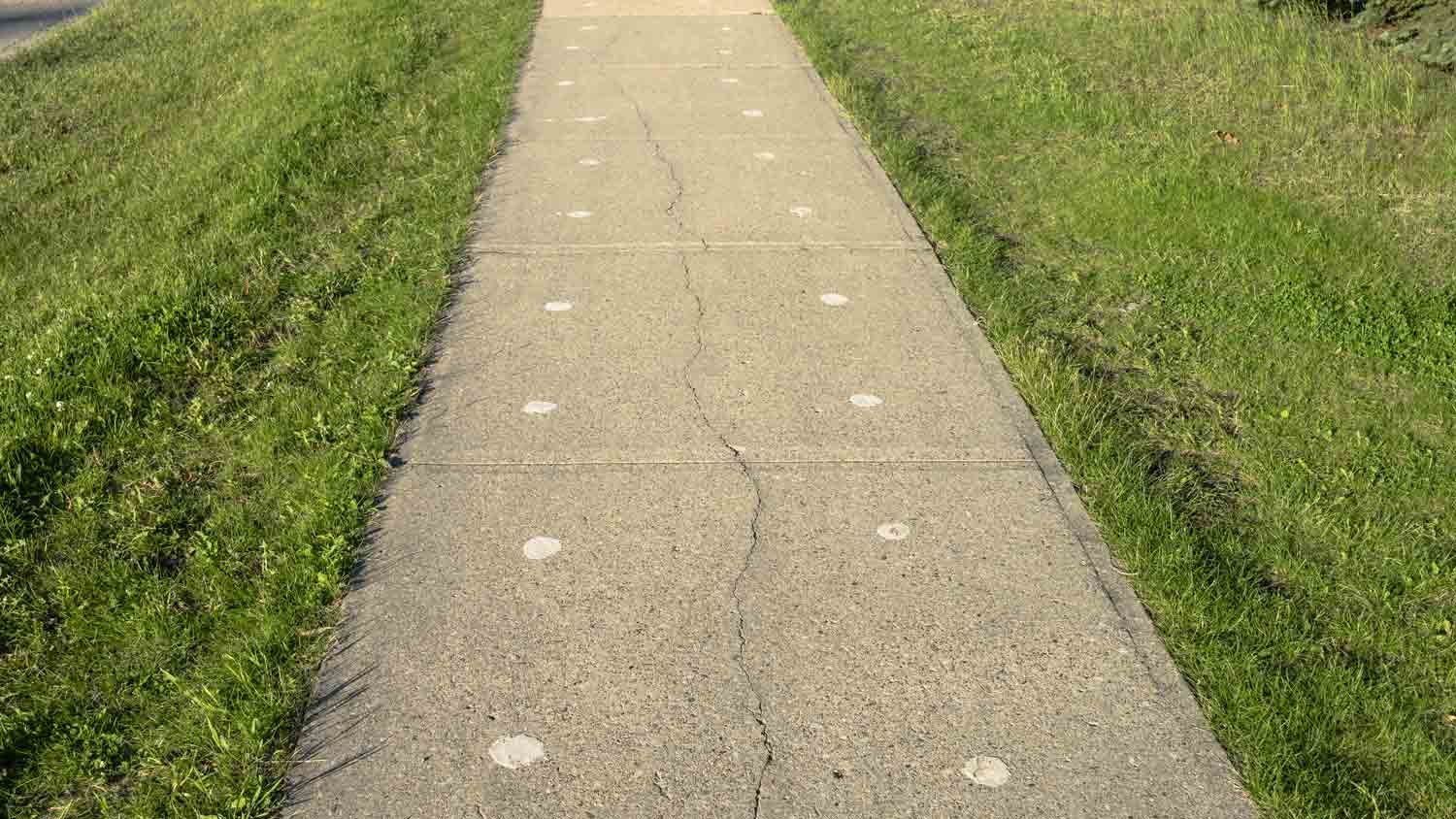
Common issues with concrete that may require professional repair or resurfacing include cracks, spalling, uneven surfaces, and weather damage.
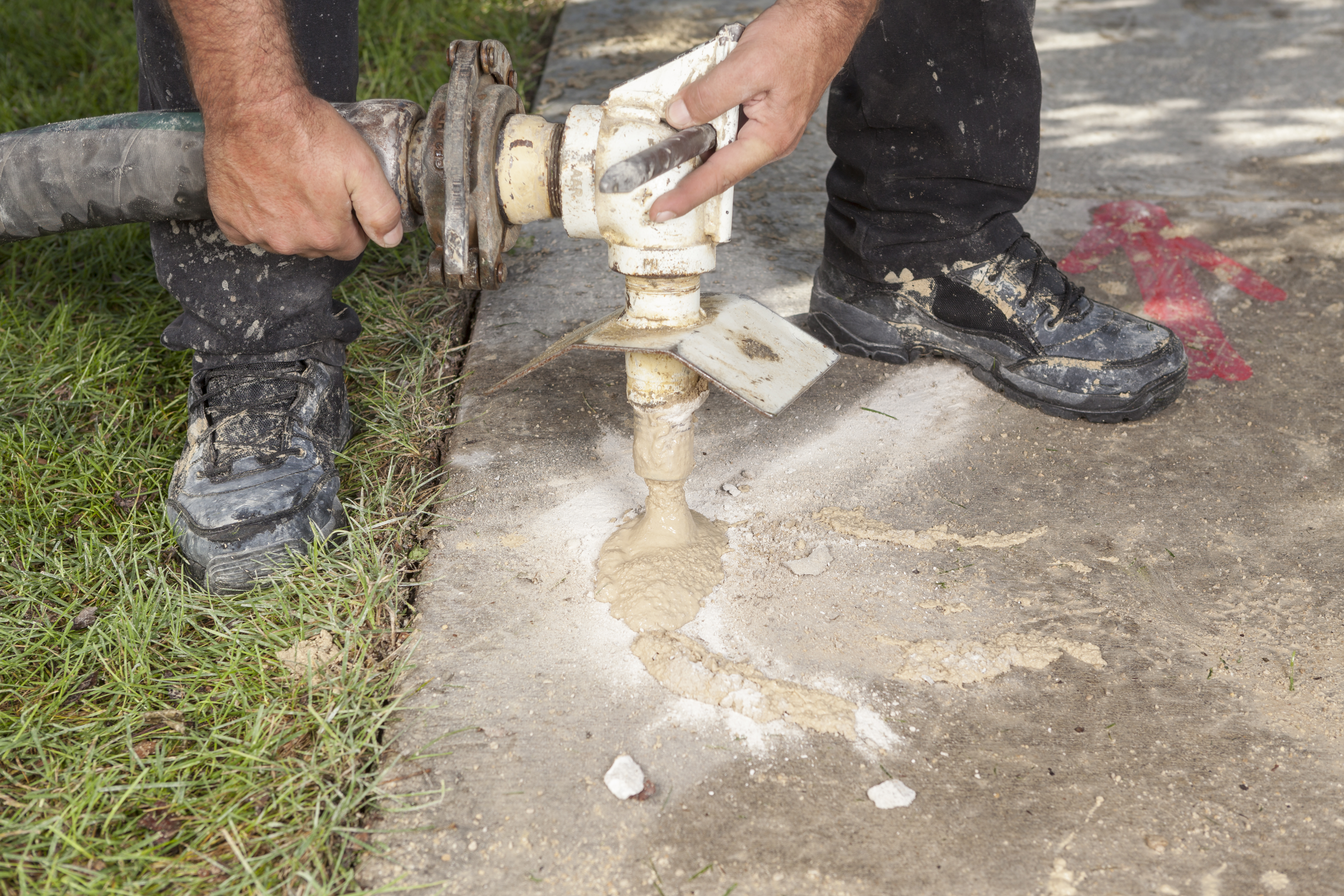
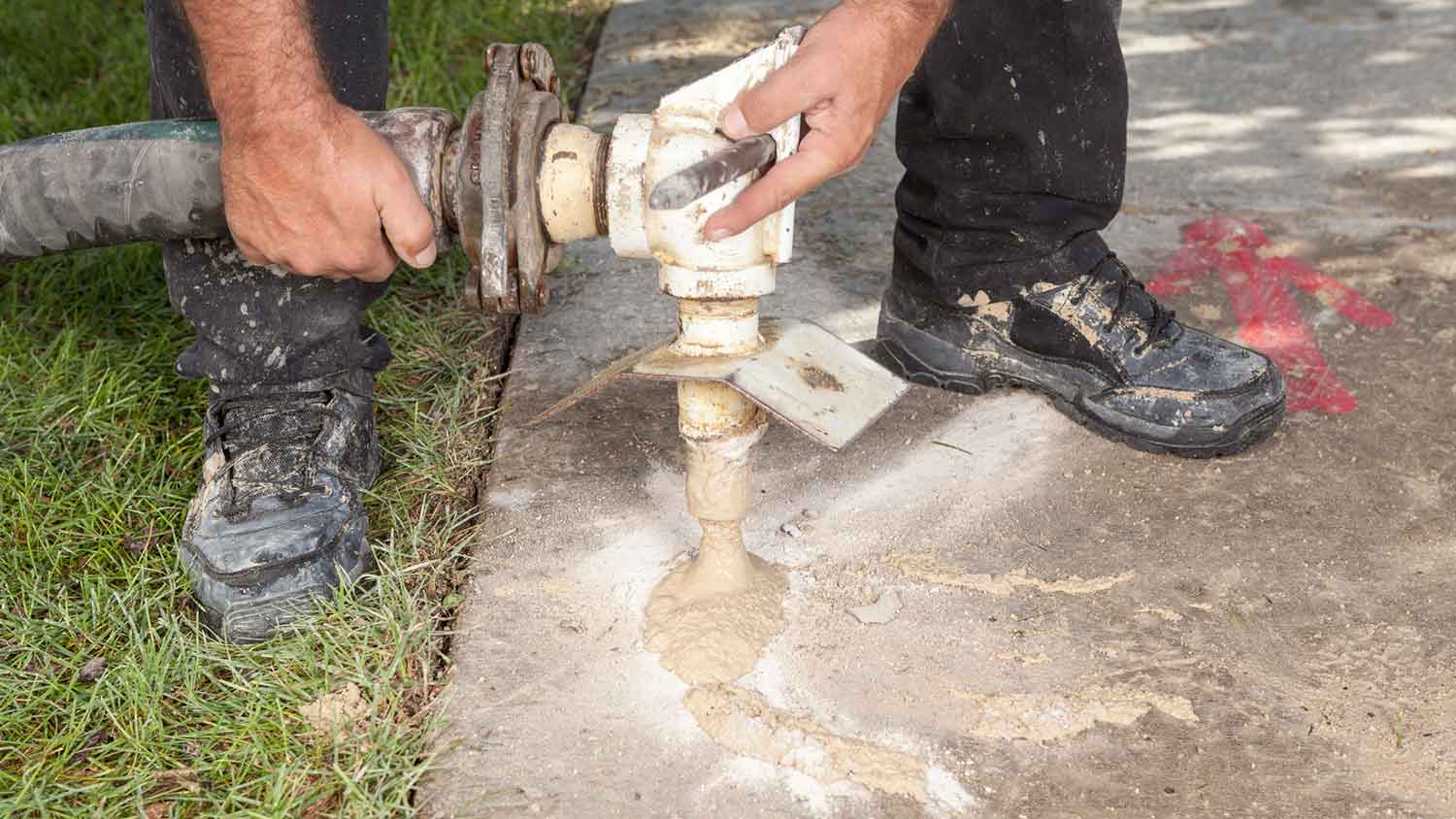
Polyjacking and mudjacking can both be effective solutions for sinking concrete, but they have key differences. Polyjacking, which uses expanding polyurethane foam, is often considered a better option because the foam is significantly lighter than the cementitious material used for mudjacking. This reduced weight puts less pressure on the underlying soil and lowers the risk of future sinking. Polyjacking is suitable for any sinking concrete slab, while mudjacking is typically only recommended for non-structural concrete, such as sidewalks, patios, pool decks, and driveways. The primary drawback of polyjacking is its cost, which can be up to four times higher than mudjacking—as much as $25 per square foot compared to a maximum of about $6 per square foot for mudjacking.
It restores concrete, prevents replacement cost disruptions, reduces trip hazards, and provides stability at a lower cost.
The Jeffersonville, VT homeowners’ guide to concrete mudjacking services
From average costs to expert advice, get all the answers you need to get your job done.
DIY mudjacking is an advanced task, but learning how to raise a concrete slab is great to know for many scenarios. Let's take a look at how to DIY mudjack.
Sunken concrete can be a structural issue, but a professional can easily repair it. Ask these concrete injection leveling and mudjacking questions before you hire.