Top-rated landscapers.

Best landscapers near Burlington, VT

Enter your zip and get matched with up to 5 pros

Need a pro for your landscaping project in Burlington, VT?

Select your specific project to find the pro for you.

TRUSTED BY BURLINGTON, VT HOMEOWNERS

  • Average homeowner rating star icon4.3
    Average homeowner rating
  • Verified reviews icon71
    Verified landscaping services reviews

Top-Rated Landscapers in Burlington - Updated Nov 2026

Avatar for Grass365 of New England
Grass365 of New England
5.0(
150
)
Landscape - Install Synthetic Grass for Putting Greens, Play Areas, etc.Landscape - Install Synthetic Grass for Landscaping, Putting Greens, etc. - For Business

Serving Burlington, VT and surrounding areas

Approved

Super Service Award Winner

In business since 2015

Free estimates

Emergency services offered

"I tried Sod for my yard twice but my German Shepard killed it. I figured I give this a try and it has been two weeks so far and I feel it is one of the best things I have done. Yard looks great and the crew that put it in did an awesome job. They did a lot of work to level out the yard and to secure the turf down. Anyone is welcome to come and check this out in Lowell Ma. Just email me at [email protected]"
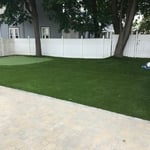
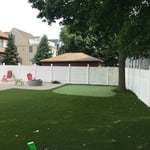
Backyard with golf green
Winthrop, MA Back yard with golf green
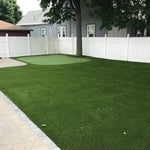
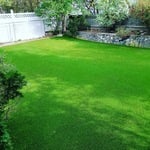
Backyard
Medford, MA Backyard
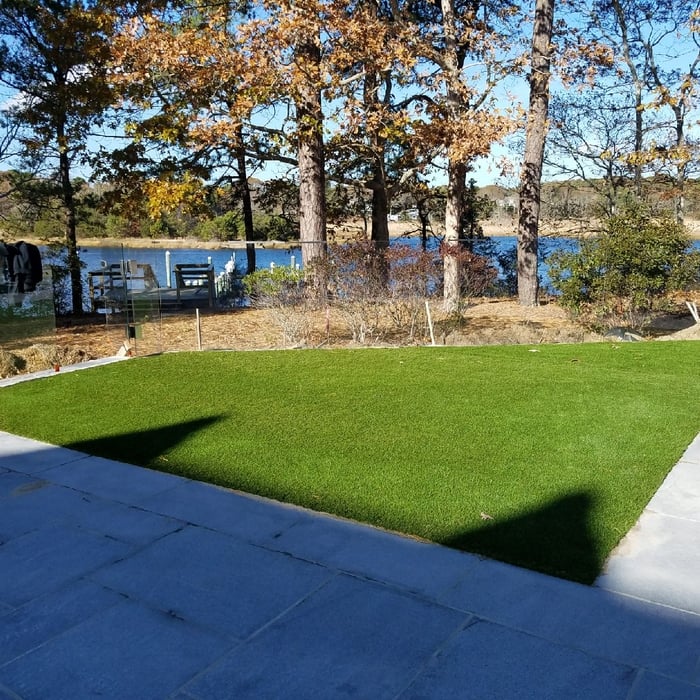
Marston Mills, Cape Cod

+13

Response time1 day
Response rate88%
34 neighbors recently requested a quote

...
Showing 1-10 of 180
Landscaping FAQs, answered by experts

The best size rock for your landscaping depends on the design, as different boulders serve different purposes. If you want to group boulders to create a natural-looking cluster, you’ll need a range of sizes. Otherwise, here are some suggestions:

  • Small boulders (smaller than 12 inches across): Best for landscape edging and fire pits 

  • Medium boulders (12–24 inches): Best for retaining walls and water features

  • Large boulders (more than 24 inches): Best as standalone landscaping features, steps, or walkways.

Of course, you can mix and match sizes to create a unique display.

If you choose to leave gaps between your pavers, you can grow some ground cover plants between them for an organic feel. Look for plants such as creeping thyme, dymondia, jewel mint of Corsica, or clover.

A half inch above ground level is ideal for metal edging. This provides enough depth for the edging to hold in place and enough height to keep in most landscaping materials (like mulch or gravel). If you install edging too high off the ground, it will stand out from your landscaping and pose a tripping risk. If you install it too low, your ground cover won’t stay in place.

As much as you might try to keep a healthy, nutrient-rich lawn, you still may notice signs of St. Augustine decline (SAD)—a viral disease that discolors your grass blades. St. Augustine decline looks like:

  • Discoloration in the leaves (chlorosis)—leaves appear yellow and splotchy

  • Decline in growth

  • Leaves turn black within 3 years

  • Grass appears less vibrant

  • Grass begins to thin

  • Root rot

  • Grass takes longer to recover

The best time to plant a tree is in the spring, so the roots have time to grow into the surrounding soil before winter sets in. Some people recommend planting in the late fall. However, planting in the spring reduces the stress on the tree, as it will be emerging from dormancy, giving it the full spring and summer ahead to acclimate and put down roots into the soil.

The Burlington, VT homeowners’ guide to landscaping services

From average costs to expert advice, get all the answers you need to get your job done.