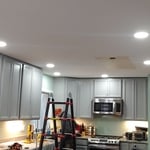








According to the National Electrical Code® (NEC®), the electrical code for kitchen outlets states that electrical outlets in a kitchen should be installed no more than 48 inches apart. This ensures that a receptacle is no further away than 24 inches from any place on the countertop. Countertops wider than 12 inches need an outlet on the wall above the countertop.
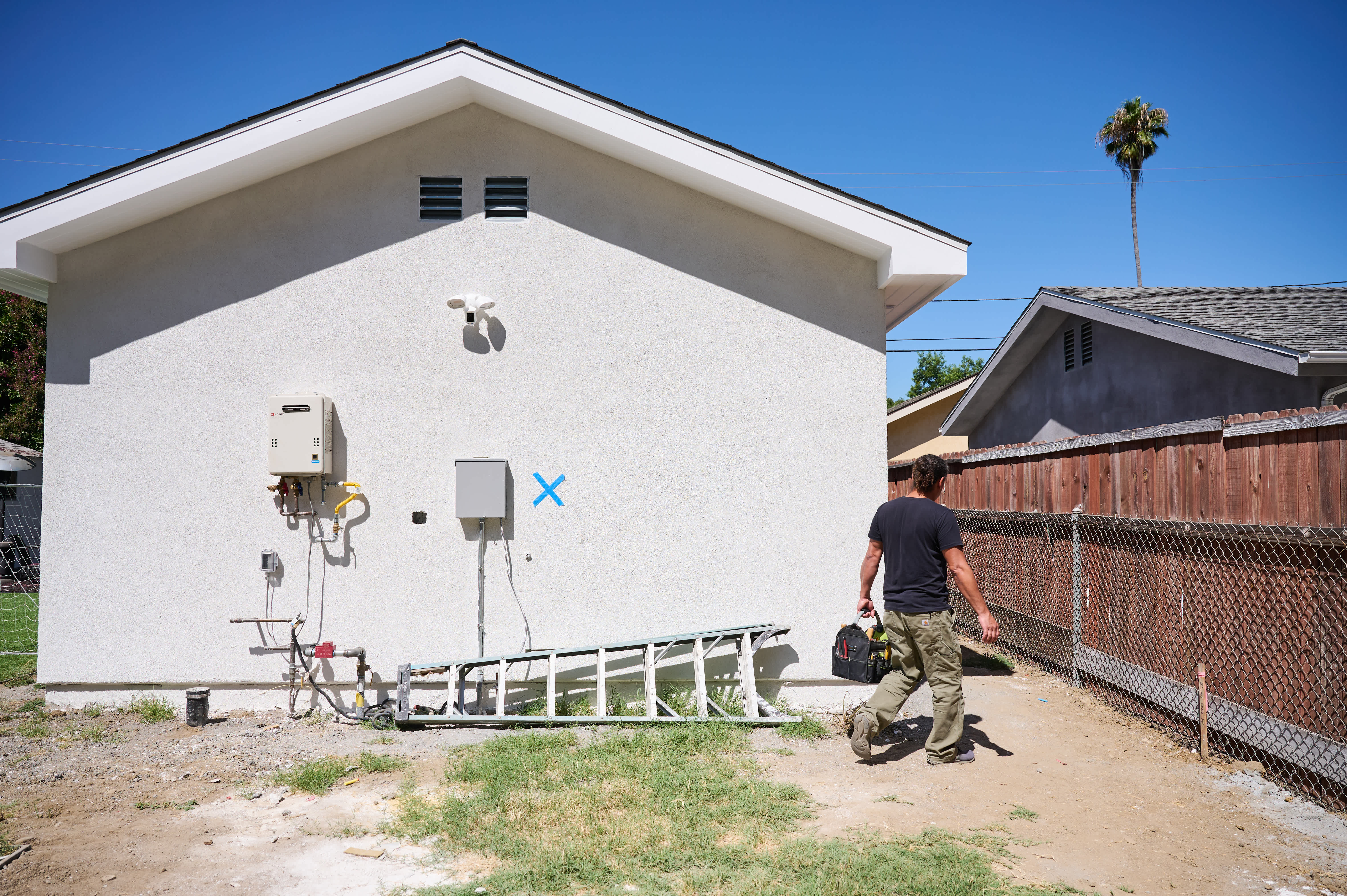
Technically, an outdoor outlet can be on the same circuit as an indoor outlet, but it's generally not recommended. Outdoor outlets should ideally be on a dedicated circuit that doesn't share power with other indoor or outdoor outlets. This helps ensure that the outdoor outlets are able to handle the additional electrical load without overloading the circuit. Additionally, outdoor outlets are often exposed to the elements, which can increase the risk of electrical shock and other hazards. If you must have an outdoor outlet on the same circuit as an indoor outlet, be sure that the circuit has the capacity to handle the additional load.
Yes, a bad switch can cause other outlets not to work. If the switch is part of a circuit that controls multiple outlets, a fault in the switch can disrupt the entire circuit. It can happen if the switch is wired incorrectly, has a loose connection, or is damaged. Fixing or replacing the faulty switch can often restore power to the affected outlets
Yes, the National Electrical Code (NEC) requires that outdoor Christmas lights be plugged into a ground-fault circuit interrupter (GFCI) outlet to prevent hazardous electrical shocks or an electrical fire. It’s a code violation to plug outdoor Christmas lights into a non-GFCI outlet, so be sure to follow these guidelines for a safe and successful installation.
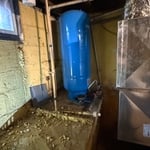
Most standard residential water heaters, which are typically around 40 gallons and use 240 volts and between 3,500 and 5,500 watts, require a 30-amp, two-pole circuit breaker. For smaller, point-of-use water heaters using 120 volts and between 1,500 and 3,000 watts, a 30-amp breaker is also often adequate. However, some models may have different needs; units that use more watts than average may require a 40-amp breaker, while smaller units might only need a 20-amp breaker. Newer, tankless, or more energy-efficient models can also require a higher amperage. Having the correct breaker size is crucial for safe and efficient operation, so it's best to consult a licensed electrician to determine the specific needs of your water heater.
The Tangier, VA homeowners’ guide to electrical services
From average costs to expert advice, get all the answers you need to get your job done.
Before you hire a licensed electrical contractor, you should learn the cost to run electric from the road to your house so you can budget for the project.
If your outside electrical meter box has sustained wear and tear, it might be time for a replacement. How much it costs to replace an electrical meter box depends on labor, model, and box type.
Nervous about what an electrical inspection might reveal about your new home? Following our home inspection electrical checklist can help ease your mind.
Is it time to upgrade your electrical panel? For the sake of safety, find out sooner than later by exploring our top signs that it’s time for an upgrade.