




Top-rated painters.

Get matched with top painters in Stuart, VA

Enter your zip and get matched with up to 5 pros

Need a pro for your painting project in Stuart, VA?

Select your specific project to find the pro for you.

Find Painters in Stuart

Avatar for J&V Painting LLC
J&V Painting LLC
5.0(
28
)
Painting or Staining - Small ProjectsInterior Painting or Staining: 1 - 2 Rooms

Serving Stuart, VA and surrounding areas

Approved

In business since 2024

Free estimates

Offers commercial services

"The pro painted my metal roof and returned to paint a second coat to cover better. Everything looks great, and he did a good job. I'm completely satisfied and would use the pro again in the future."
Kitchen cabinets paint
Interior paint

+9

5 neighbors recently requested a quote
Recommended by38%of homeowners
Avatar for Zamorano's Painting
Zamorano's Painting
4.8(
39
)
Interior Painting or Staining: 1 - 2 RoomsPainting or Staining - Small Projects

Serving Stuart, VA and surrounding areas

In business since 2016

Free estimates

"Zamorano Painting was very professional in completing a quality job right on schedule when they said they would get it done. They went above and beyond what most painters would do to make sure the finished job was done to my satisfaction. I will definitely use them again, and recommend them very highly."
Pressure wasing
Pressure washing
Pressure washing
Painting
Painting

+6

Response time1 day
Recommended by97%of homeowners

...
Showing 1-10 of 121
Painting questions, answered by experts

You can only change your neighbor's fence with their permission. A neighbor's fence is their property, and altering it without their consent could constitute trespassing or property damage, which may have legal consequences. If you have concerns or disagreements about your neighbor's fence, communicate with them openly and try to reach a mutually agreeable solution. If you believe the fence violates local zoning laws or property regulations, consult with local authorities or seek legal advice to address the issue through proper channels. 

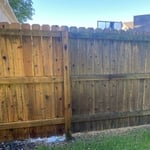
You should stain both sides of your fence to get the full benefits. Fences often fall along property lines, so you may want to save a buck by leaving your neighbor’s side in the dust. If you do that, all you get is a slightly better view. Moisture and UV rays can still sneak in through the side that’s unpainted or worn down and damage your fence. Rot and rust will spread, even if you can’t see it from your side of the lawn.

The number of coats you need to apply when whitewashing a surface depends on how opaque you want the final product to be. If you're going for a transparent, barely there look, a single coat or two may suffice. For fuller coverage, you'll want to use multiple coats. Another option is to use a less diluted paint to get a thicker coverage. 

Limewash and whitewash are two techniques used to give brick a light, matte finish, but they differ in composition, application, and permanence. The best choice depends on your aesthetic goals and the specific surface.

Composition

  • Limewash: A natural and environmentally friendly option made from limestone, water, and sometimes pigments. It is breathable and soaks into porous surfaces like brick.

  • Whitewash: Traditionally made from lime, water, chalk, and binders, but a similar look can be achieved with watered-down white paint. It is paint-based and sits on top of the surface.

Appearance and Finish

  • Limewash: Provides a natural, textured appearance that allows the brick's character to show through. It offers a more traditional finish.
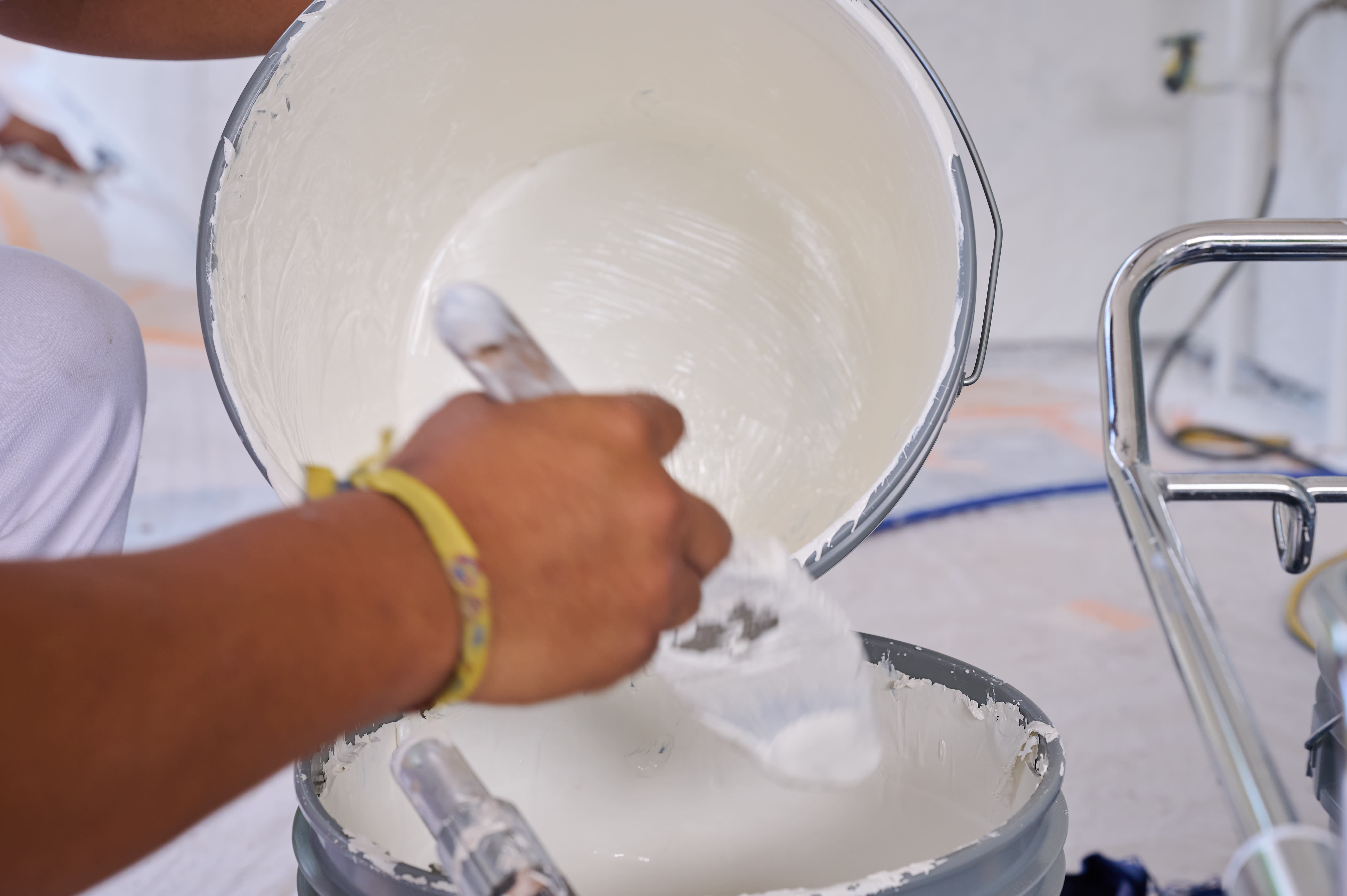
  • Whitewash: Creates a softer, more opaque finish, often used for a rustic or shabby-chic style.

Application and Permanence

  • Limewash: Is semi-permanent and can be removed, making it a good choice if you might want to change the look in the future. It requires more skill to apply and cannot be used on previously painted brick.

  • Whitewash: Is a more permanent solution. It is more forgiving to apply and can be used on painted brick. However, because it sits on the surface, it can trap moisture.

Ultimately, if you want a breathable, natural, and reversible finish for unpainted brick, limewash is a great option. If you need a more permanent, opaque coating that can be applied over painted surfaces, whitewash is the better choice. Whitewashing may also be more economical, costing approximately $1.40 to $4.20 per square foot.

Staining or sealing a cedar deck or fence is highly recommended to extend its lifespan and protect it from the elements. While cedar is naturally resistant to mold and mildew, it is not impervious to damage from moisture, sun exposure, splintering, fading, and rot over time. Applying a protective finish creates a shield that preserves the wood's strength and appearance, potentially extending its life by five to 10 years.

When choosing a finish, it's helpful to understand the difference between a sealer and a stain. A sealer sits on top of the wood, whereas a combination stain and sealer soaks into the top layer. Because it penetrates the wood, a stain generally offers better protection against UV damage and rot and lasts significantly longer. For the best results that also preserve the wood's natural color, consider using a near-translucent stain.

To maintain protection, plan on reapplying the stain or sealer every two to three years, either as a DIY project or by hiring a professional.

The Stuart, VA homeowners’ guide to painting services

From average costs to expert advice, get all the answers you need to get your job done.