




Top-rated lead testing and removal specialists.

Get matched with top lead testing and removal specialists in Rochelle, VA

Enter your zip and get matched with up to 5 pros

Need a pro for your lead testing and removal project in Rochelle, VA?

Select your specific project to find the pro for you.

Find Lead testing and removal specialists in Rochelle

Avatar for Flood Crew LLC
Flood Crew LLC
4.6(
40
)

Serving Rochelle, VA and surrounding areas

In business since 2008

Free estimates

Emergency services offered

"Bill and his helper Christian arrived to the house after our puppy made a mess on our carpet, they were able to remove the pet stains, and high traffic areas that other companies couldn’t remove. We are very pleased."
After carpets were cleaned.
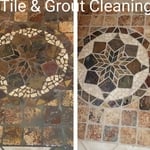
Before and after of Medallion
After color sealed
Apartment carpet cleaning
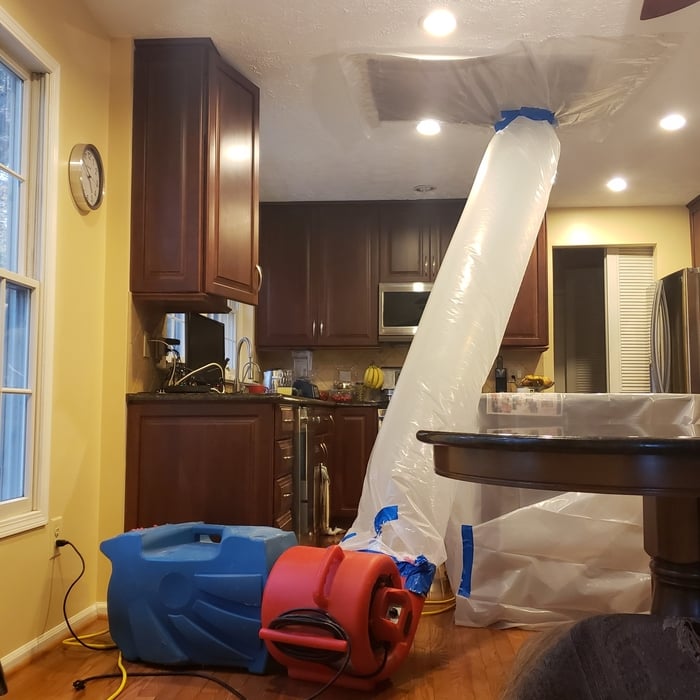
Drying bathroom wood subfloor from kitchen using indirect control heat, controlled by thermostat we set in place

+57

Recommended by88%of homeowners

Avatar for Wright Way Painting
Wright Way Painting
4.3(
6
)

Serving Rochelle, VA and surrounding areas

In business since 2003

Free estimates

Emergency services offered

"I had an overall great experience, they were very clean and neat. They completed the work quickly and around my schedule. I was highly recommended by a co-worker and they were everything they have mention to me. I will be recommending them and he will be back later this summer to stain and seal my deck.
"
Exterior - Wood Stain
Exterior
Interior
Recommended by100%of homeowners
Lead Testing and Removal questions, answered by experts

According to the Environmental Protection Agency (EPA), hazardous waste is generally classified into four main categories:

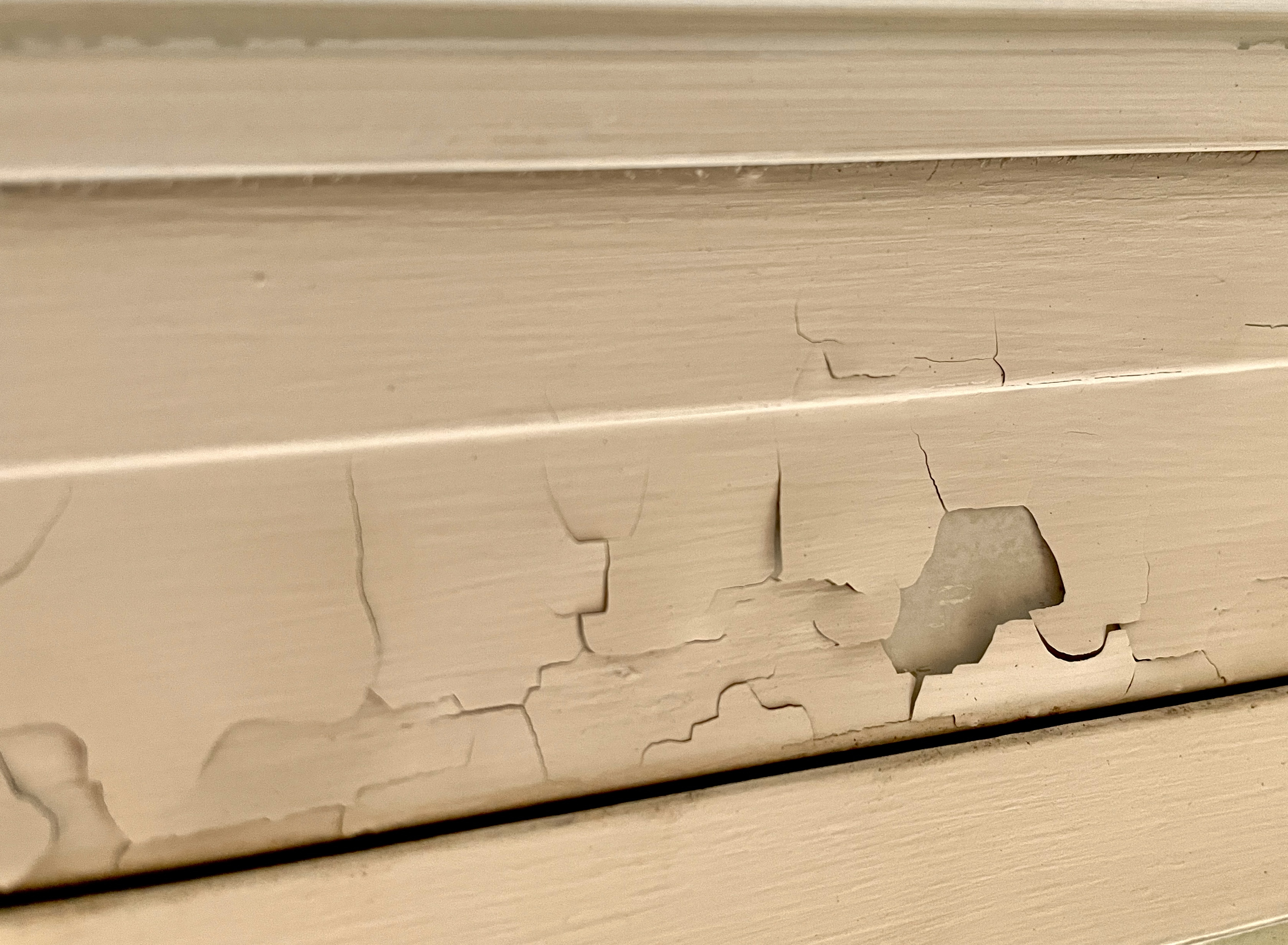
1. Characteristic Wastes: These exhibit at least one of four hazardous traits: ignitability (flammable, like gasoline), corrosivity (can rust or decompose materials, like car batteries), reactivity (unstable and can explode, like aerosol cans), or toxicity (harmful when ingested, like lead-based paint).

2. Listed Wastes: These are specific wastes from manufacturing and industrial processes that the EPA has officially designated as hazardous. They include byproducts from processes that use solvents, pesticides, and other chemicals.

3. Universal Wastes: These are commonly generated hazardous items that are subject to streamlined regulations. Examples include batteries, pesticides, mercury-containing equipment (e.g., bulbs), and some lamps.

4. Mixed Wastes: This category includes waste that contains both hazardous and radioactive components, making it subject to regulation by both the EPA and the Nuclear Regulatory Commission.

When a surface that contains lead dust is disturbed, the dust can float about in the air for roughly an hour before settling again. Since you cannot see the dust, it is important always to wear protective gear when working with any materials that may contain lead paint and to keep children, pets, and others away from the area for as long as possible

While not all homes built before 1978 contain lead paint, enough do, so you’ll still want to test to be on the safe side. The federal government banned lead-based paint for homes in 1978, but your state may have banned lead before that time. Around 24% of homes built between 1960 and 1977 contained lead-based paint, while 87% of homes built before 1940 contained lead-based paint.

Avoid disturbing suspected lead-containing materials and follow professional guidance on sample collection.

Hiring a professional for mold and toxic material testing ensures precise identification of harmful substances within a home. Professionals utilize specialized equipment and techniques, providing accurate results that inform proper removal strategies, safeguarding occupant health.

The Rochelle, VA homeowners’ guide to lead testing and removal services

From average costs to expert advice, get all the answers you need to get your job done.