In the event of suspected or confirmed asbestos contamination on the body, it is imperative to take immediate measures to reduce health risks. To avoid further exposure, carefully remove contaminated clothing and shower thoroughly to remove any asbestos fibers. Seek prompt medical attention, and inform your healthcare professional about your suspected asbestos exposure. Since asbestos-related health issues can take years to surface, regular medical check-ups are advised for anyone with a history of exposure.
Epoxying over asbestos tiles is generally considered a safe option when done correctly. Epoxy acts as a sealant, encapsulating the asbestos tiles and preventing the release of asbestos fibers into the air. The key is ensuring that the asbestos tiles are in good condition, firmly adhered to the substrate, and not damaged or deteriorating. This method is only appropriate for tiles that are undamaged and securely in place. If the asbestos tiles are already loose, damaged, or deteriorating, encapsulating them with epoxy may not be a sufficient solution, as it might not address the potential for ongoing asbestos exposure.
Yes. Gutting a house to the studs may actually be a good option if you believe a home contains toxic materials like asbestos, mold, or lead paint. However, this must be done under the supervision of licensed remediation experts.
Depending on the size of your home, the inspection process could take a few hours or a few days. While inspecting your home, the asbestos specialist will take small sections of the potentially contaminated material. They will then send the sample to an accredited laboratory or the local health department for testing.
The cost of asbestos testing depends on your location, the home's size, and the testing area's complexity. Plan to spend between $230 and $800 for testing. During testing and while handling potential asbestos, the specialist may wear protective gear, including gloves, overalls, appropriate footwear, and respiratory equipment.
Asbestos-containing materials are not easily affected by water and do not disintegrate or dissolve when exposed to it. However, porous materials can deteriorate due to water exposure, leading to the release of asbestos fibers into the air. The settling of asbestos fibers can also occur as water makes them heavy, which reduces the risk of airborne exposure, though future disturbance of the materials could cause risk. Wetting asbestos-containing materials does not constitute safe removal, and the proper handling and disposal of asbestos materials should be left to professionals.
The Richlands, VA homeowners’ guide to percolation testing services
From average costs to expert advice, get all the answers you need to get your job done.
Dry wells are handy for anyone who’s experiencing drainage problems. But dry well installation costs can vary depending on its size, location, and volume.
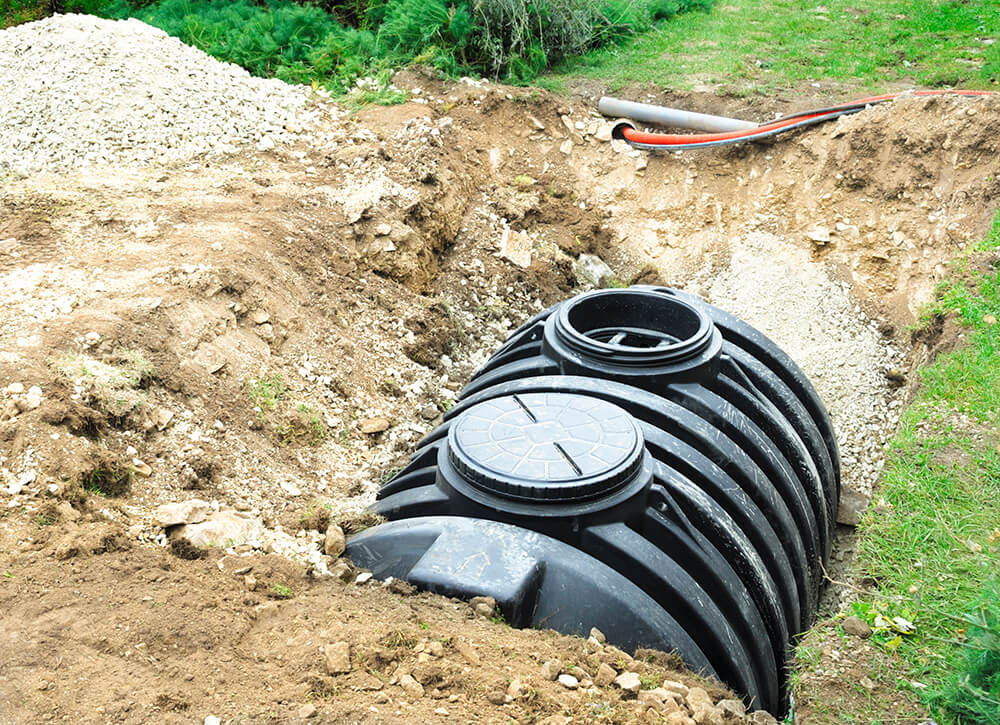
The time it takes to replace a septic tank depends on a few factors. Sometimes the fix is simple, but even if it’s not, here’s how long it takes to replace a septic tank.

 5
5  14
14