

Top-rated painters.

Best painters near Pounding Mill, VA

Enter your zip and get matched with up to 5 pros

Need a pro for your painting project in Pounding Mill, VA?

Select your specific project to find the pro for you.

Top-Rated Painters in Pounding Mill - Updated Nov 2026

Avatar for Welcome Home Builders LLC
Welcome Home Builders LLC
3.2(
9
)
Interior Painting or Staining: 1 - 2 RoomsPainting or Staining - Small Projects

Serving Pounding Mill, VA and surrounding areas

Approved

In business since 2025

Free estimates

Small jobs welcome

"Welcome Home Builders is a phenomenal business. Jedidiah was honest, kind, professional, and hard working. Phenomenal has done several projects. From rebuilding a house to painting any handyman job or things that you need done would recommend."

Recent project
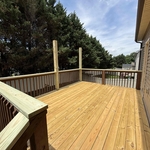
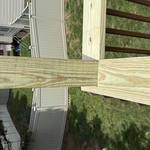
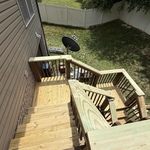
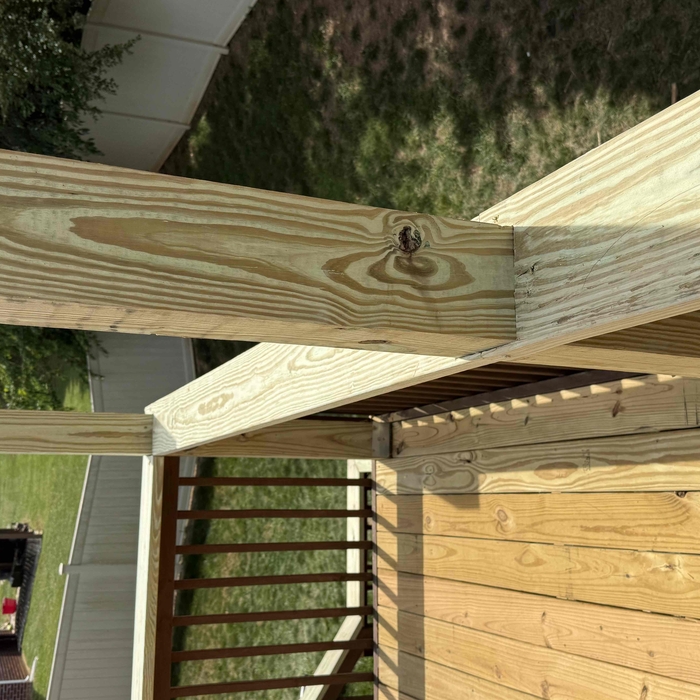
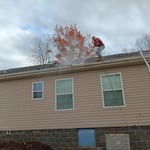
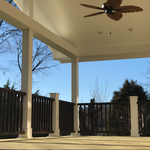
Deck remodel
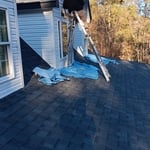
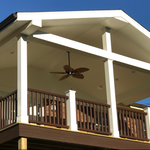
Deck remodel
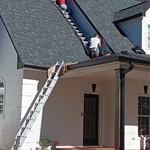
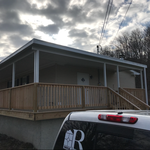
Deck remodel
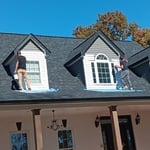
Deck remodel

+12

70 neighbors recently requested a quote
Lilly's Painting
5.0(
3
)
Exterior Home or Structure - Paint or StainExterior Home or Structure - Paint or Stain: LargeInterior Home or Surfaces - Paint or Stain+7 more

Serving Pounding Mill, VA and surrounding areas

In business since 2008

"Lilly's Painters did an excellent job.  We used them again to paint an accent wall a darker color several months later. They also painted our one bedroom condo interior approximately 2 years ago.  Lilly and her husband are professional and prompt.  The work they do is really great and they work quickly.  We will continue to use them and have referred them to our friends who have also used their services and been very pleased."
Additional Photos
Additional Photos
Additional Photos
Additional Photos
Additional Photos

+5

Recommended by100%of homeowners
...
Showing 1-10 of 89
Painting FAQs, answered by experts

Regular cleaning, rust-proof coatings, and checking fasteners help prolong the lifespan.

Whether to brush or roll stain on wood depends on the project and your preference. Brushing is ideal for smaller, intricate areas and offers more control over the application, ensuring thorough coverage and penetration into the wood's grain. 
Conversely, rolling is efficient for more extensive, flat surfaces and can save time. However, it is not always the best fit for textured or uneven wood. Some projects may benefit from combining both methods, using a brush for detail work and a roller for broader areas. Ultimately, the choice between brushing and rolling depends on the specific requirements of your staining project.

Limewash and whitewash are two techniques used to give brick a light, matte finish, but they differ in composition, application, and permanence. The best choice depends on your aesthetic goals and the specific surface.

Composition

  • Limewash: A natural and environmentally friendly option made from limestone, water, and sometimes pigments. It is breathable and soaks into porous surfaces like brick.

  • Whitewash: Traditionally made from lime, water, chalk, and binders, but a similar look can be achieved with watered-down white paint. It is paint-based and sits on top of the surface.

Appearance and Finish

  • Limewash: Provides a natural, textured appearance that allows the brick's character to show through. It offers a more traditional finish.

  • Whitewash: Creates a softer, more opaque finish, often used for a rustic or shabby-chic style.

Application and Permanence

  • Limewash: Is semi-permanent and can be removed, making it a good choice if you might want to change the look in the future. It requires more skill to apply and cannot be used on previously painted brick.

  • Whitewash: Is a more permanent solution. It is more forgiving to apply and can be used on painted brick. However, because it sits on the surface, it can trap moisture.

Ultimately, if you want a breathable, natural, and reversible finish for unpainted brick, limewash is a great option. If you need a more permanent, opaque coating that can be applied over painted surfaces, whitewash is the better choice. Whitewashing may also be more economical, costing approximately $1.40 to $4.20 per square foot.

You shouldn't paint a metal fence. Painting doesn't necessarily damage a corrugated metal fence, but these types of fences are meant to flex, and paint can easily chip and break off. Latex paints can address this issue, but those tend not to be very weather-resistant. Certain paints can trap moisture in the corrugation, which can rust the metal and lead to corrosion. And finally, if you paint a copper fence, it won't patina, which is one of the main reasons people buy copper.  

Exterior paints contain more volatile organic compounds, or VOCs, making them dangerous when used indoors. Without the free ventilation of the great outdoors, it can take longer for the fumes to dissipate than interior paint. While you may notice the smell lessening more quickly, you should be wary of paint fumes inside for 48 to 72 hours after it dries.

The Pounding Mill, VA homeowners’ guide to painting services

From average costs to expert advice, get all the answers you need to get your job done.