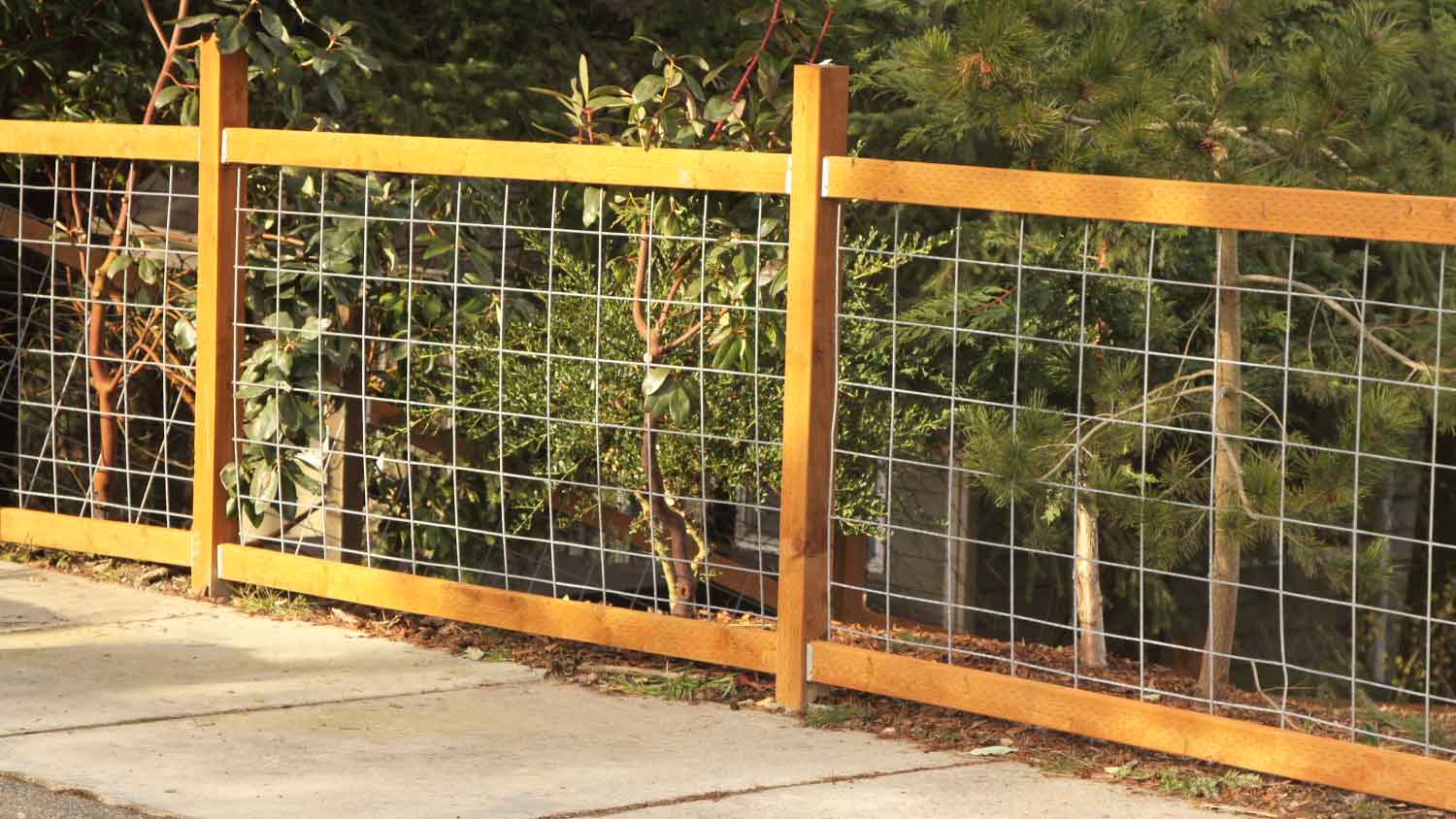
"Chad quoted our project and he was knowledgeable about the design and materials needed for our fence. The team showed up on time and installed the fence in two days. They made sure everything was cleaned up before leaving. Outstanding customer service and communication. Thank you!"
Whether you should stay in the home during a pest control service depends on the type of treatment. Some types allow you to stay, while others such as fumigation will require you to leave your home. The pest control company will provide specific instructions for the type of service that will be done to ensure you follow the proper protocol to keep you and your family safe.
Groundhogs are non-aggressive animals that are afraid of humans. They forage for vegetation in yards and gardens, so they can often be seen as a nuisance if you spot one on your property. That said, if you happen to get bitten or scratched by a fearful groundhog, be sure to get checked by a doctor, as they could carry infections or diseases like rabies, Lyme, or the rare tularemia.
If you’re an animal lover and want to support biodiversity, consider letting a possum live peacefully in your yard. Possums rarely contract rabies or behave aggressively, and they can keep problematic rat, mouse, cockroach, slug, snail, and tick populations down. You might just want to make some modifications to prevent them from making a home in your attic, chimney, or crawl spaces.
Small animals, particularly rats and mice, like to burrow inside pool heaters. To keep them out, seal any entry points with caulk or steel wool. Then, place mothballs inside or around your pool heater. As a final measure of protection, you can cover the pool heater in hardware cloth or wood paneling to further block entry points.
Ground moles are not typically dangerous. They're not known to carry rabies like many other wild animals, such as raccoons, skunks, and bats. And they don't typically bite humans, although it's possible if they feel threatened. If you do get bitten by a mole, it's best to see a physician to be safe, but most often, the bite will heal on its own unless it gets infected.
The Pound, VA homeowners’ guide to animal fencing services
From average costs to expert advice, get all the answers you need to get your job done.
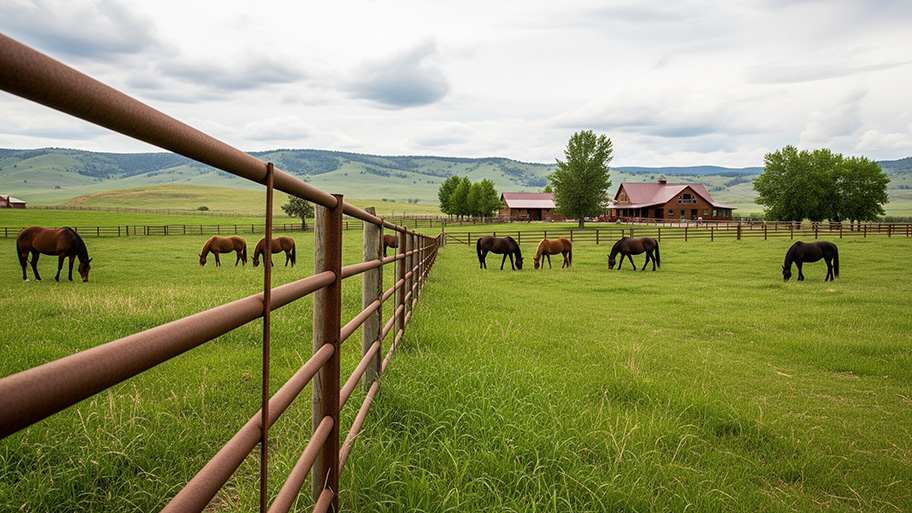
Pipe fencing is an extremely strong, durable option for containing horses and other livestock. This guide breaks down the factors that affect pipe fence cost.