SciFiHomes Inc
Fixed Generator - InstallPortable Generator - InstallFixed Generator - Repair+4 more
Serving Lignum, VA and surrounding areas
Approved
In business since 2006
Free estimates
Warranties offered
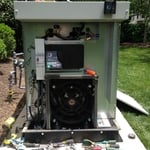
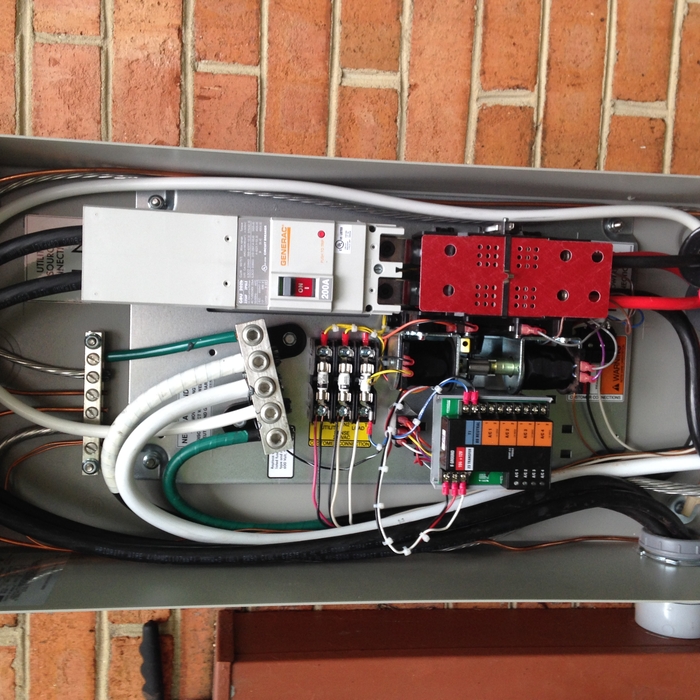
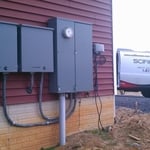
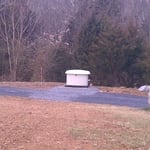
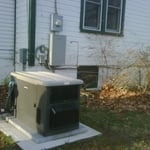
"These guys did a fantastic job and were an absolute pleasure to work with. Small business, all primary work done by the three owners/operators of the group, who are are masters in their respective fields: "Tech Guy", Electrician, and Gas Fitter. (I genuinely hope to not cause offense by this broadly generalized description). I had a 20kW Cummins LP/NG-fired automatic backup generator installed and connected to a new automatic transfer switch, and (since we had no existing gas system) a new 500gallon LP propane tank installed and under-grounded to feed the generator. My main electrical panel was brought up to current code in the process. The excavation and burial work was subcontracted to a trusted local operator that did really nice work, and they worked with Southern States to provide a tank and first fill. They handled all the permits and coordinated the inspections. Waiting for the county inspector, and waiting for Southern States to fill the tank after the gas inspection, were the only observable delays in the process, and those were negligible/reasonable. The SciFiHomes people were quick, efficient, and obviously practiced with all of their pieces of the work. They will strongly prefer Cummins-brand generators over the competitors, and they are more a more expensive initial investment compared to them. After doing my own research after their sales pitch, it is a very worthwhile "upgrade". The difference between Cummins' generators and the competitors is fuel efficiency; according to the math, I'll get over 24 hours of additional runtime vs (as an example) Generac's 20kW generator at 40% average load on a full 420gallons of propane in the new 500gal tank. With an extended outage, or multiple long outages as with last winter in Frederick County, that's a very significant advantage. Sorry for the "sales pitch"; I only included this to prove that they're in my opinion very justified in pushing the "premium" brand. We purchased the extended warranty uplift as well as their extended service agreement. We can't recommend them enough; fantastic experience, and this generator has already flawlessly provided over 20 hours of outage coverage in the 5 months we've had it. Winter is coming, and we'll be ready this time. It just works... These guys and their total solution probably isn't the absolute cheapest in the area... but we absolutely got what we paid for. Thanks SFH!"
Response time7 hrs
Response rate100%
4 neighbors recently requested a quote