





Top-rated weed maintenance pros.

Get matched with top weed maintenance pros in Lafayette, VA

Enter your zip and get matched with up to 5 pros

Need a pro for your weed maintenance project in Lafayette, VA?

Select your specific project to find the pro for you.

TRUSTED BY LAFAYETTE, VA HOMEOWNERS

  • Average homeowner rating star icon4.4
    Average homeowner rating
  • Verified reviews icon100
    Verified weed maintenance services reviews

Find Weed maintenance pros in Lafayette

No results for Weed maintenance pro in

Try adjusting your search criteria.
Weed Services questions, answered by experts

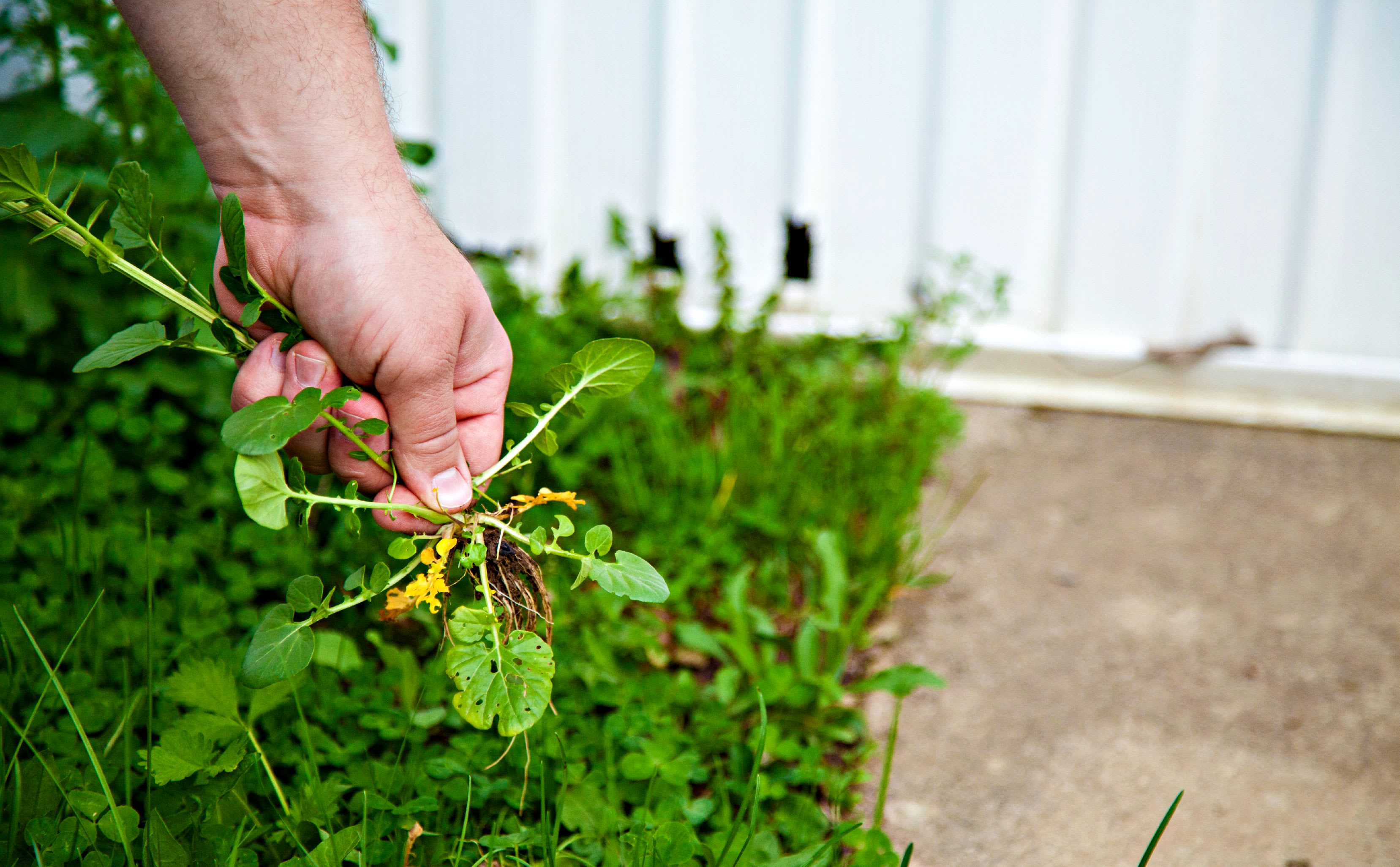
Pulling weeds once per month is typically often enough to keep most weeds at bay. But in general, it's best to pull weeds as soon as you spot them to prevent deep root growth and slow their spread. To make it easier, plan your weed pulling after rain or after the sprinklers run so the soil will be nice and wet and the weeds will be easier to pull. If you notice moss accompanying weeds, make a plan to remove the moss immediately to prevent damage.

The hydroseed mix—known as a slurry—helps grass seed take root in many ways. Water combines with the mulch, allowing the grass seed to stay moist while grounded in the soil. The extra fertilizer then provides the boost the seed needs to flourish. In just a few weeks, you'll be ready to break out the lawnmower again.

All herbicides come with risks, but you can control and mitigate risks by discussing your options with your weed service company before application. Some companies use milder or sustainable herbicides more times per season to control weeds rather than one to two herbicide sprayings annually. You can also ask your professional about pet-friendly and kid-friendly services. In most cases, though, you can wait a few days after the application for the herbicides to soak into the ground, at that point they shouldn’t pose a risk to you or your family.

Too much clover in your lawn can indicate several issues with your soil. Clover can thrive in soils with abnormally high pH, low-cut grass, and low nitrogen. Amending these issues can push clover out for good.

Hardy perennial clover loves the low nitrogen and compact conditions that often come with poor, infertile soils. But other factors also contribute to a clover explosion, including drought conditions, cool temperatures, under fertilization, and over-irrigation. You’ll need to evaluate all these elements when planning to kill off the clover.

Mowing your grass regularly, especially if you’re mowing close to the ground, can help kill Johnsongrass. Frequent mowing helps limit the spread of Johnsongrass and can even deplete carbohydrate reserves in rhizomes over time. The more time you leave in between mowing, the more likely Johnsongrass is to regrow and take over your lawn. 

The Lafayette, VA homeowners’ guide to weed maintenance services

From average costs to expert advice, get all the answers you need to get your job done.