





Top-rated radon detection and reduction specialists.

Get matched with top radon detection and reduction specialists in Fort Lee, VA

Enter your zip and get matched with up to 5 pros

Need a pro for your radon detection and reduction project in Fort Lee, VA?

Select your specific project to find the pro for you.

Find Radon detection and reduction specialists in Fort Lee

Avatar for All States Air Duct Pro
All States Air Duct Pro
3.1(
236
)
Radon Gas - AbatementRadon Gas - Testing

Serving Fort Lee, VA and surrounding areas

In business since 1995

Free estimates

Emergency services offered

"We had had a new kitchen put in and then a year later, we had had our kitchen floor redone and basement repaired after a flood in our house.  Water from our washer had flooded the kitchen and laundry room and then flowed through the floor into the basement theater room and rec room.  We had to have a new (porcelain) tile floor put in upstairs and new paint and carpeting throughout the basement.   The work for the new kitchen and then the flood required a huge amount of sanding, spackling and more sanding...etc. The dust in our house was a big problem afterwards from the spackle dust that accumulated  in our ducts.  We decided to have our ducts cleaned and found All States on Angie's list.   It went great!  They were on time, conversant about the state of our ducts.  They did the job.  I have noticed that the air is better in the house and we have much less dust on furniture!  Very happy with their services and I would definitely hire them again.
"
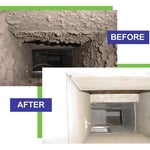
Before & After Air Duct Cleaning
Recommended by49%of homeowners
Radon Detection and Reduction questions, answered by experts

The average radon mitigation system uses about 876 kWh of electricity per year, although the exact amount of electricity used will vary depending on the size of the radon fan. Once the system is installed, the annual increase to your energy bill could range from $30 to $300 per year, again depending on the size of the fan.

Long-term exposure increases lung cancer risks. Prolonged homestay individuals and smokers encounter heightened vulnerability and exposure concerns.

You can vent radon out of your house sometimes by simply opening a window, but it won’t remove the source, and will likely rise above recommended levels quickly. A professional will be needed to assess your home, and determine the best strategy for radon removal. Active radon sump pumps and soil depressurization systems are often used to forcefully vent the radon from your home.

Keeping radon from getting into your home is much better than having to get rid of it once it's already indoors. While there may not be a way to fully prevent radon from getting into your home, there are things you can do to reduce the gas's ability to enter. 

Sealing foundation cracks and openings can help keep the gas from seeping inside. Improving air flow, such as by opening windows, can also be helpful. If you're building your home from scratch, talk to your contractor about using radon-resistant construction to keep the gas out.

No level of radon is technically safe, but since it is present everywhere, complete avoidance is impossible. The average radon level in homes across the United States is 1.3 picocuries per liter (pCi/L). The Environmental Protection Agency (EPA) recommends taking preventative measures if your home's radon levels are between 2 and 4 pCi/L or higher.

The Fort Lee, VA homeowners’ guide to radon detection and reduction services

From average costs to expert advice, get all the answers you need to get your job done.