



Top-rated drywall pros.

Get matched with top drywall pros in Crewe, VA

Enter your zip and get matched with up to 5 pros

Need a pro for your drywall service project in Crewe, VA?

Select your specific project to find the pro for you.

Find Drywall pros in Crewe

Avatar for Craftsman Homes RVA LLC
Craftsman Homes RVA LLC
4.8(
28
)

Serving Crewe, VA and surrounding areas

Approved

Super Service Award Winner

In business since 2009

Free estimates

Credit card accepted

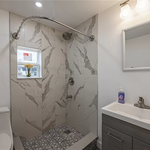
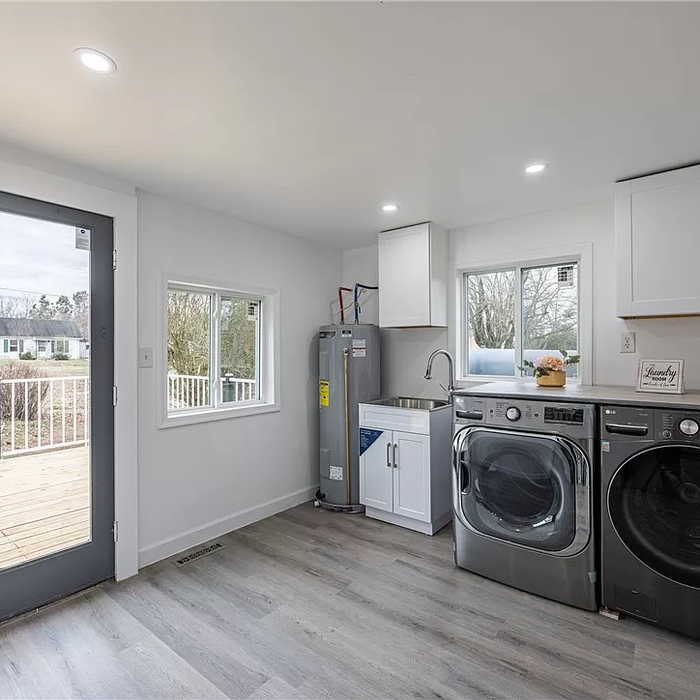
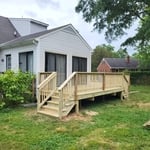
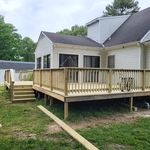
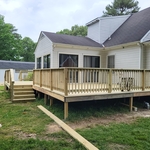
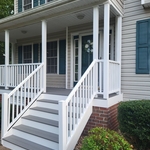
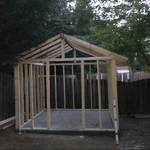
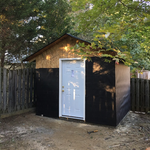
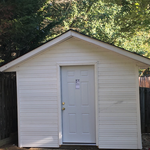
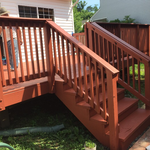
"Reggie has completed several home improvement projects for me. He replaced my Kitchen Floor and some Cabinets, rebuilt my outside deck, and replaced my front porch and steps. I have referred him multiple times to people I know, and they have all been very well pleased. Reggie is my go-to man for almost any job I need done."
Response time11 hrs
Response rate90%
RL contracting
New to Angi

Serving Crewe, VA and surrounding areas

Approved

I have spent many years working as a general contractor including working for a commercial builder, kitchen and bath remodeling company, and property management company. I also previously owned and operated as a class a general contractor. I have experience in most areas of home repair. I am looking to slow down and focus on smaller projects with attention to giving clients quality services at reasonable prices.

...
Showing 1-10 of 92
Drywall questions, answered by experts

Many homeowners choose to install tongue and groove over drywall. The great thing about this type of ceiling is that it hides imperfections. If your drywall is a little bit wonky or has some minor damage, the tongue and groove planks should cover it and give it an even appearance. Installation is simplest if you install battens over the existing framing before installing your tongue and groove planks.

Although they have similar applications, spackle and joint compound are not the same. Their primary differences lie in their composition, consistency, and ideal use cases.

Spackle is composed of gypsum and binding agents, making it thicker than joint compound. It dries quickly and is easy to sand, which makes it ideal for small wall repair projects like filling nail holes or patching minor damage.

Joint compound, also known as drywall mud, consists of limestone and gypsum. It is primarily used for large-scale projects, such as taping and finishing the seams on newly installed drywall. It tends to shrink more than spackle and can be more difficult to spread.

While both products can be used to fill small depressions and cracks, spackle cannot replace joint compound for taping and mudding new drywall. Conversely, you can often use joint compound for small patching jobs typically done with spackle.

While it’s most common to sand plaster dry, it is possible to wet-sand plaster, too. Doing so can reduce the amount of plaster dust released into the air and make it easier to work in smaller, more delicate areas (such as around wall trim). However, some people find that wet sanding leads to more imperfections, which is why larger walls are more often dry sanded to ensure an even finish.

Regular dusting, occasional repainting, and avoiding harsh scrubbing preserve the finish.

Whether you need a drywall anchor depends on the specifics of your project, particularly what you're hanging and where. You do not need a drywall anchor if you can screw or nail the object directly into a wooden stud, as the wood provides sufficient support and stability. However, if there are no studs in the location where you plan to hang the item, you should use drywall anchors to ensure it is securely supported. For very lightweight objects, like small pictures, adhesive picture hanging strips can be a suitable alternative to anchors.

The Crewe, VA homeowners’ guide to drywall services

From average costs to expert advice, get all the answers you need to get your job done.