







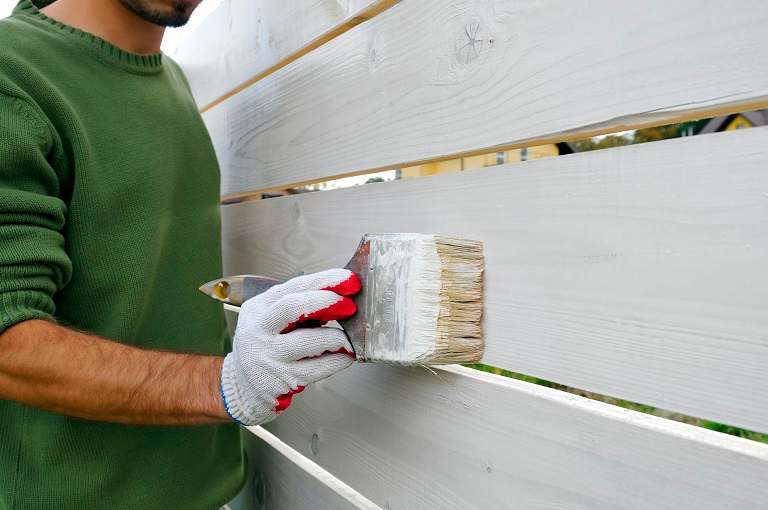
Looking to give your fence a refresh? This guide explores the cost to stain a fence—and the cost to paint it, too— so you can budget for your project.

 4.4
 14
*The Angi rating for Fence Painting companies in Check, VA is a rating based on verified reviews from our community of homeowners who have used these pros to meet their Fence Painting needs.
*The HomeAdvisor rating for Fence Painting companies in Check, VA is a rating based on verified reviews from our community of homeowners who have used these pros to meet their Fence Painting needs.
Last update on June 29, 2026
From average costs to expert advice, get all the answers you need to get your job done.
Looking to give your fence a refresh? This guide explores the cost to stain a fence—and the cost to paint it, too— so you can budget for your project.

Staining a fence is a great project if you’re a handy DIYer. Learn how much it costs to stain a fence and how you can influence the price.
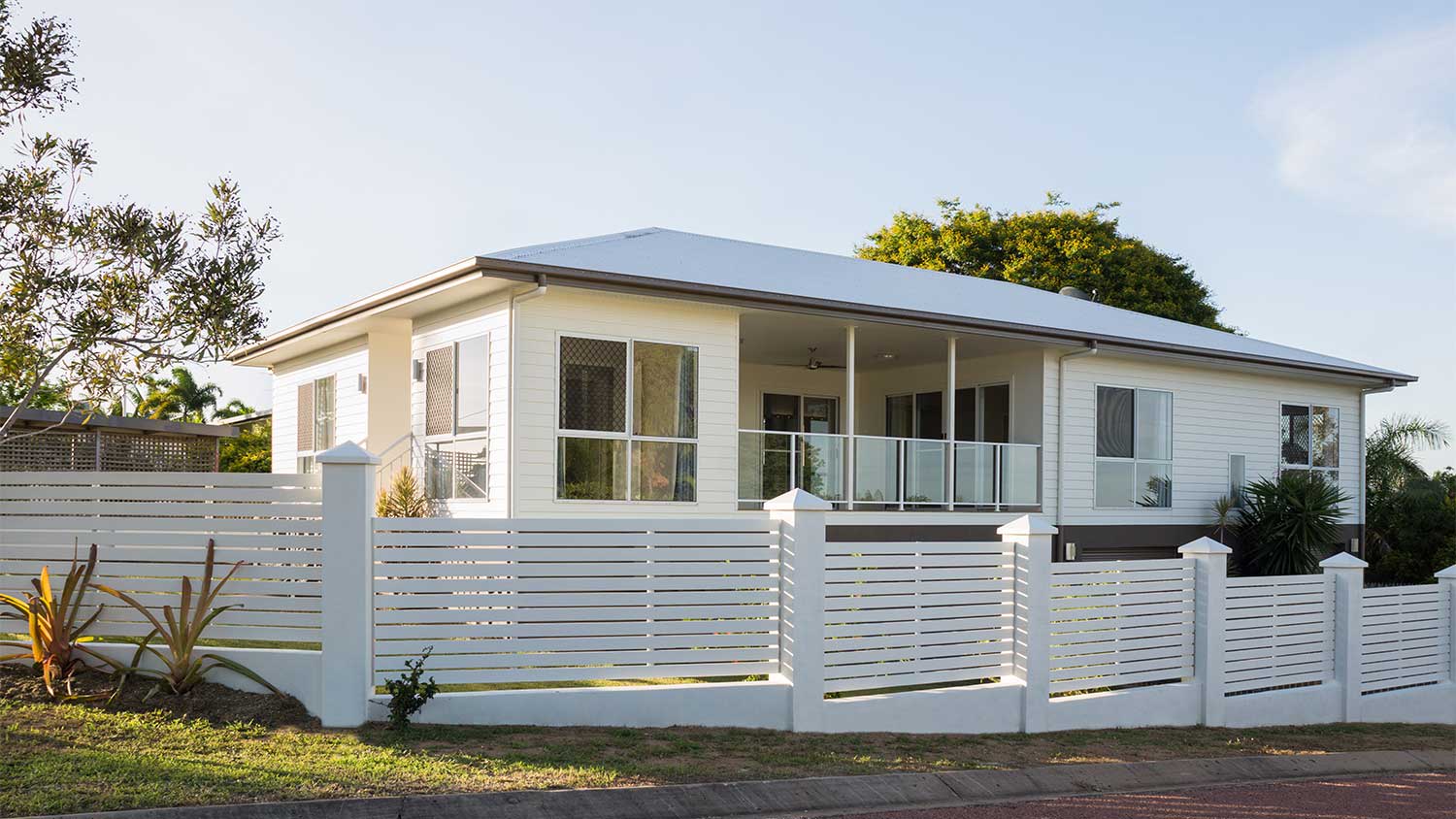
Fence repair costs depend on the extent of damage, your fence's material, and how much of the fence you need to fix. Explore all the price factors in this guide.
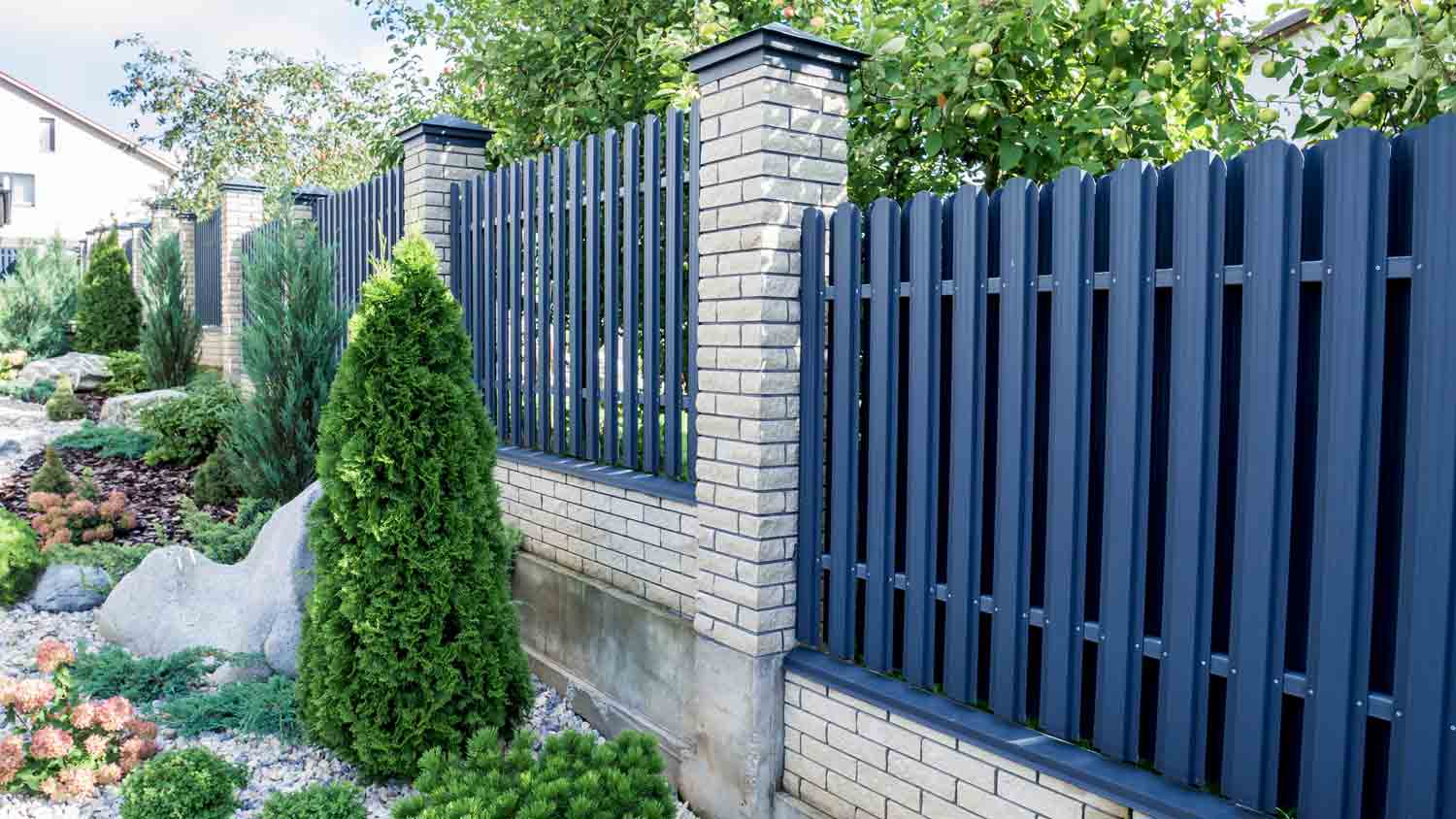
Wondering who to hire to paint fences or who to call for fence painting? Explore pro options, the process, and what to expect before you book.
Thinking about fence painting and staining? Learn about material options, costs to expect, and how to hire the right local exterior painter for the job.
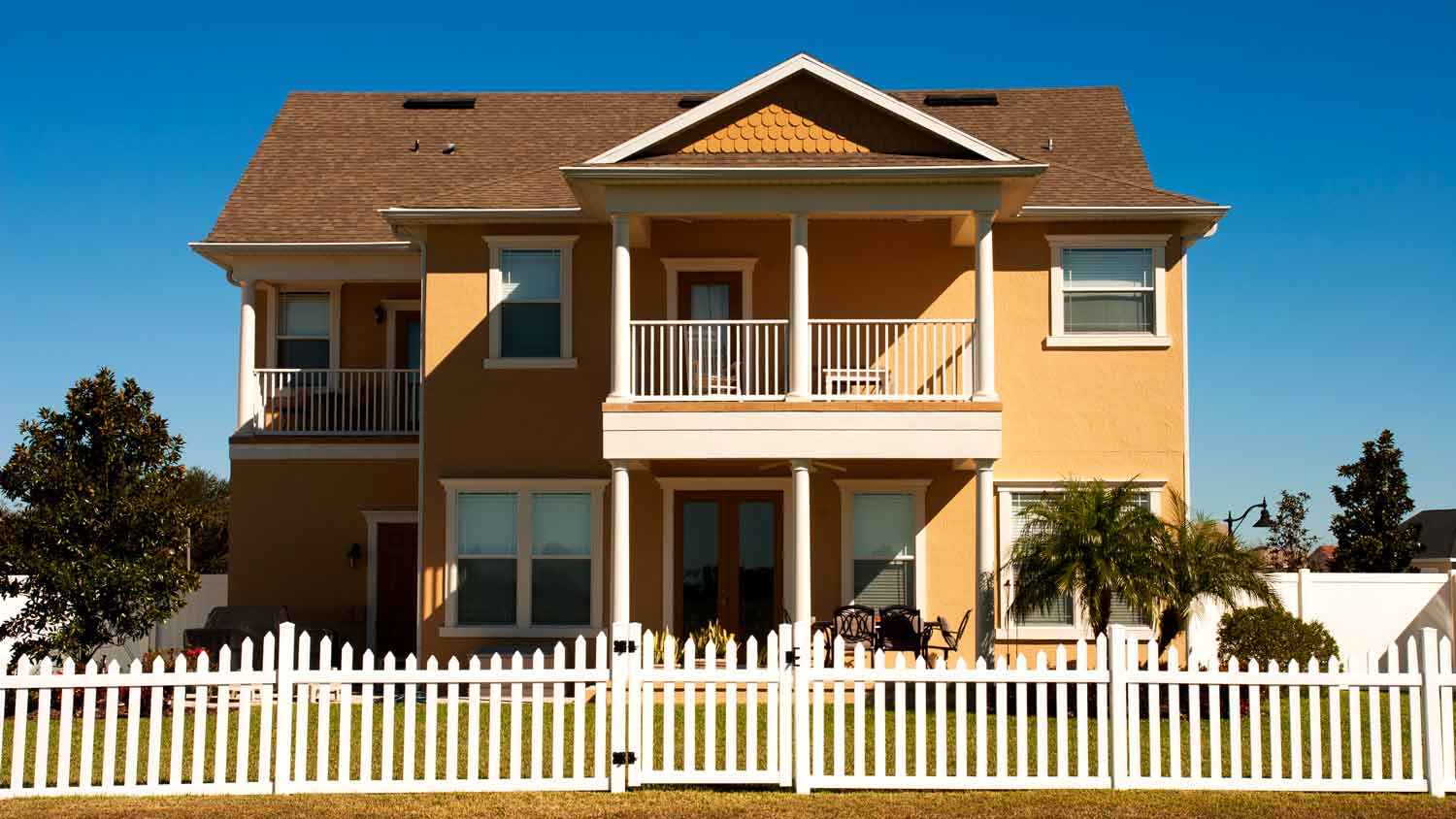
Deciding on the best fence paint color is difficult. This guide will help you choose a shade that creates the right vibe alongside your house color and landscaping.